
Introduction to Sleep Tracking Rings
Getting enough quality sleep is essential for maintaining energy, concentration, and overall well-being. However, many people struggle to understand their sleeping habits. They may spend enough time in bed but still wake up feeling tired. Wearable technology offers a convenient way to explore these patterns and identify opportunities for improvement.
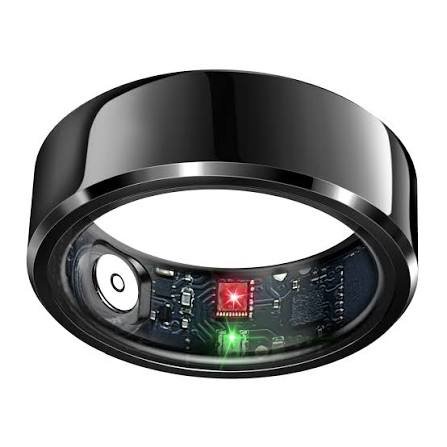
A sleep tracking ring is a compact wearable device designed to collect information about sleep and selected wellness indicators. Unlike traditional wristbands, it fits around a finger and uses miniature sensors to monitor measurements throughout the night.
A health tracker ring can also provide information about heart rate, daily movement, and other wellness trends, depending on the model. This combination makes it useful for people who want a broader understanding of their daily routines.
Although these devices cannot measure every aspect of sleep perfectly, they can help users recognize patterns and develop more consistent habits. Understanding their features and limitations is the first step toward choosing the right ring.
What Is a Sleep Tracking Ring?
A sleep tracking ring is a small electronic wearable that monitors selected body signals while you sleep. It typically contains sensors that collect information and transfer it to a compatible smartphone application.
Depending on the device, the ring may estimate total sleep duration, nighttime movement, resting heart rate, and different sleep stages. Some models also measure skin temperature trends or estimate blood oxygen levels.
The information is usually presented through charts, summaries, and personalized reports. These reports allow users to review their sleep patterns over several nights rather than relying only on how rested they feel in the morning.
One advantage of a sleep tracking ring is its compact design. It does not require a large screen or frequent interaction during the night.
However, available features vary between manufacturers. Before purchasing a ring, check its specifications to confirm which measurements it supports and whether its companion application requires a paid subscription.
How Does a Sleep Tracking Ring Work?
A sleep tracking ring combines miniature sensors with software to estimate sleep-related measurements. The sensors collect information while the device rests against the finger.
Optical sensors can detect changes in blood flow near the skin, helping estimate heart rate. Movement sensors identify changes in motion that may indicate periods of rest or activity.
Some rings also monitor changes in skin temperature. These measurements may provide additional context about nighttime patterns, although skin temperature does not directly represent core body temperature.
The collected information is processed by the ring or its companion application. Algorithms then estimate when you may have fallen asleep, how long you slept, and when you may have awakened.
For example, the application might show that your sleep duration has decreased over several nights. You could use that information to review your bedtime, evening screen use, or daily schedule.
These results are estimates rather than direct measurements of every sleep process. Their accuracy depends on the device, sensor quality, fit, and individual circumstances.
Key Features of a Health Tracker Ring
A health tracker ring may provide several useful features beyond sleep monitoring. Understanding these functions can help you determine whether a particular model suits your needs.
Sleep Duration and Patterns
Many rings estimate total sleep time and record periods of nighttime movement. Some also estimate light, deep, and REM sleep stages.
These summaries can help users observe general patterns. However, consumer rings cannot reliably replace a clinical sleep study, and sleep-stage estimates may differ from medical measurements.
Heart Rate Monitoring
Heart rate monitoring can provide information about nighttime resting patterns. Some devices also estimate heart rate variability, which describes changes in the time between consecutive heartbeats.
Looking at these measurements over time may help users understand their general wellness trends. A single reading, however, should not be interpreted as a diagnosis.
Skin Temperature Trends
Certain sleep tracking rings measure changes in skin temperature during the night. These trends can sometimes provide useful context when reviewing sleep and other wellness patterns.
Temperature readings can be affected by room conditions, bedding, and other factors. They should not be used alone to diagnose illness.
Daily Activity Tracking
Many health tracker rings also record steps, movement, or estimated energy expenditure. This helps users connect daytime habits with their nighttime routines.
For example, a person may notice that their sleep schedule changes on days when their activity levels or work hours are different.
Benefits of Using a Sleep Tracking Ring
One of the main benefits of a sleep tracking ring is convenience. Its small size allows many users to wear it comfortably throughout the night without dealing with a large wrist-mounted screen.
Automatic data collection can also make tracking easier. Instead of recording bedtime and waking time manually, users can review estimated measurements in the companion application.
Another benefit is the ability to identify patterns over time. Someone who frequently wakes up tired might compare their sleep duration, bedtime consistency, and nighttime activity across several weeks.
A health tracker ring can also encourage healthier routines. Reviewing sleep reports may motivate users to maintain consistent bedtimes, reduce late-night distractions, or create a more relaxing sleeping environment.
However, more data does not always mean better sleep. Constantly checking scores can create unnecessary worry for some people. It is better to use the information as a general guide and focus on practical improvements.
Sleep Tracking Ring vs. Traditional Fitness Tracker
A sleep tracking ring and a traditional fitness tracker can both monitor wellness, but their designs and features differ.
A wrist-worn fitness tracker often includes a screen for displaying steps, exercise statistics, notifications, and other information. Some models also offer GPS and dedicated workout modes.
A sleep tracking ring generally prioritizes a smaller form factor and discreet monitoring. Many models are designed to collect information in the background and present results through a smartphone application.
The right choice depends on your priorities. People who want on-device exercise controls may prefer a fitness tracker or smartwatch. Those who mainly want sleep and general wellness insights may find a ring more convenient.
Comfort should also influence the decision. Some users find rings comfortable during sleep, while others prefer wrist-worn devices.
Compare the available features, battery life, sizing options, and total cost before choosing either option.
How to Choose the Best Sleep Tracking Ring
Choosing a suitable sleep tracking ring involves more than comparing prices or appearance.
1. Check the fit and sizing. A ring should fit securely without causing discomfort. Poor sensor contact may affect readings, so follow the manufacturer’s sizing instructions.
2. Review the sleep features. Determine whether the ring provides sleep-duration estimates, nighttime heart rate, sleep-stage estimates, or other measurements you consider useful.
3. Compare battery life. Battery performance varies by model and usage. Consider how often the ring needs charging and whether charging interruptions will affect your routine.
4. Check smartphone compatibility. Confirm that the companion application works with your phone and supports the features advertised for your region.
5. Understand subscription requirements. Some manufacturers include essential reports with the purchase, while others reserve advanced insights for paid memberships. Read the current terms carefully.
6. Review privacy and support. Check how the application handles personal information, whether data can be exported, and how long the manufacturer promises software support.
A well-chosen ring should provide useful information without creating unnecessary expenses or inconvenience.
Tips for Improving Sleep With a Health Tracker Ring
A health tracker ring is most useful when its information supports healthy habits. Wearing it consistently according to the manufacturer’s instructions can make it easier to compare trends across different nights.
Start by reviewing your usual sleep duration and bedtime patterns. Rather than focusing on a single score, look for changes over several days or weeks.
Try maintaining a regular sleep and wake schedule. Healthy sleeping habits can be easier to establish with a regular schedule.
Create a comfortable sleeping environment by reducing excessive light, noise, and unwanted distractions. If caffeine makes it hard to fall asleep, don’t drink it too close to bedtime.
You can also learn how your daily routine changes by using your ring’s activity data. Regular physical activity supports general health, although intense exercise close to bedtime may not suit everyone.
Most importantly, pay attention to how you feel. Wearable data should complement your own experience rather than replace it. If you regularly experience severe daytime sleepiness, loud snoring with breathing interruptions, or persistent sleep difficulties, consult a qualified healthcare professional.
Limitations of Sleep Tracking Rings
Although sleep tracking rings can provide useful estimates, they have important limitations.
First, their measurements are not identical to those collected during a clinical sleep study. Sleep stages are inferred from available signals rather than measured directly in the same way as a professional sleep assessment.
Second, sensor accuracy may change with fit, movement, skin characteristics, and device design. Results from different brands may also be difficult to compare directly.
Third, a sleep score cannot explain every reason someone feels tired. Stress, medications, illness, work schedules, and environmental conditions can influence sleep and daytime energy.
Finally, consumer rings are generally intended for wellness tracking rather than diagnosing or treating medical conditions.
Understanding these limitations helps users make more balanced decisions and avoid treating every change in a reading as a problem.
Frequently Asked Questions
1. What does a sleep tracking ring measure?
Depending on the model, it may estimate sleep duration, sleep stages, nighttime heart rate, movement, and skin temperature trends.
2. Can a health tracker ring monitor sleep automatically?
Many models automatically estimate sleep periods when worn correctly. Features and performance vary by manufacturer.
3. Are sleep tracking rings accurate?
They can be useful for observing general patterns, but individual measurements and sleep-stage estimates may not always be accurate.
4. Can I wear a sleep tracking ring every night?
Many are designed for regular overnight use. Follow the manufacturer’s guidance for comfort, cleaning, charging, and safe wear.
5. Does a health tracker ring require a subscription?
Some models provide core features without a subscription, while others charge for certain reports or advanced insights. Check the terms before buying.
6. Can a sleep tracking ring diagnose sleep disorders?
No. A consumer ring cannot replace professional assessment or a clinical sleep study when one is needed.
Conclusion
A sleep tracking ring offers a convenient way to explore sleeping habits and selected wellness trends. Its compact design, automatic tracking, and smartphone reports can help users understand patterns that might otherwise go unnoticed.
A health tracker ring may provide additional information about heart rate, activity, and temperature trends, depending on its capabilities. When these measurements are reviewed over time, they can support practical changes to daily routines.
Before purchasing, compare comfort, battery life, compatibility, privacy, and subscription costs. Remember that wearable readings are estimates, not definitive medical results.
Ultimately, the best sleep tracking ring is one that fits comfortably, provides useful information, and helps you build healthier habits without adding unnecessary stress to your bedtime routine.
