
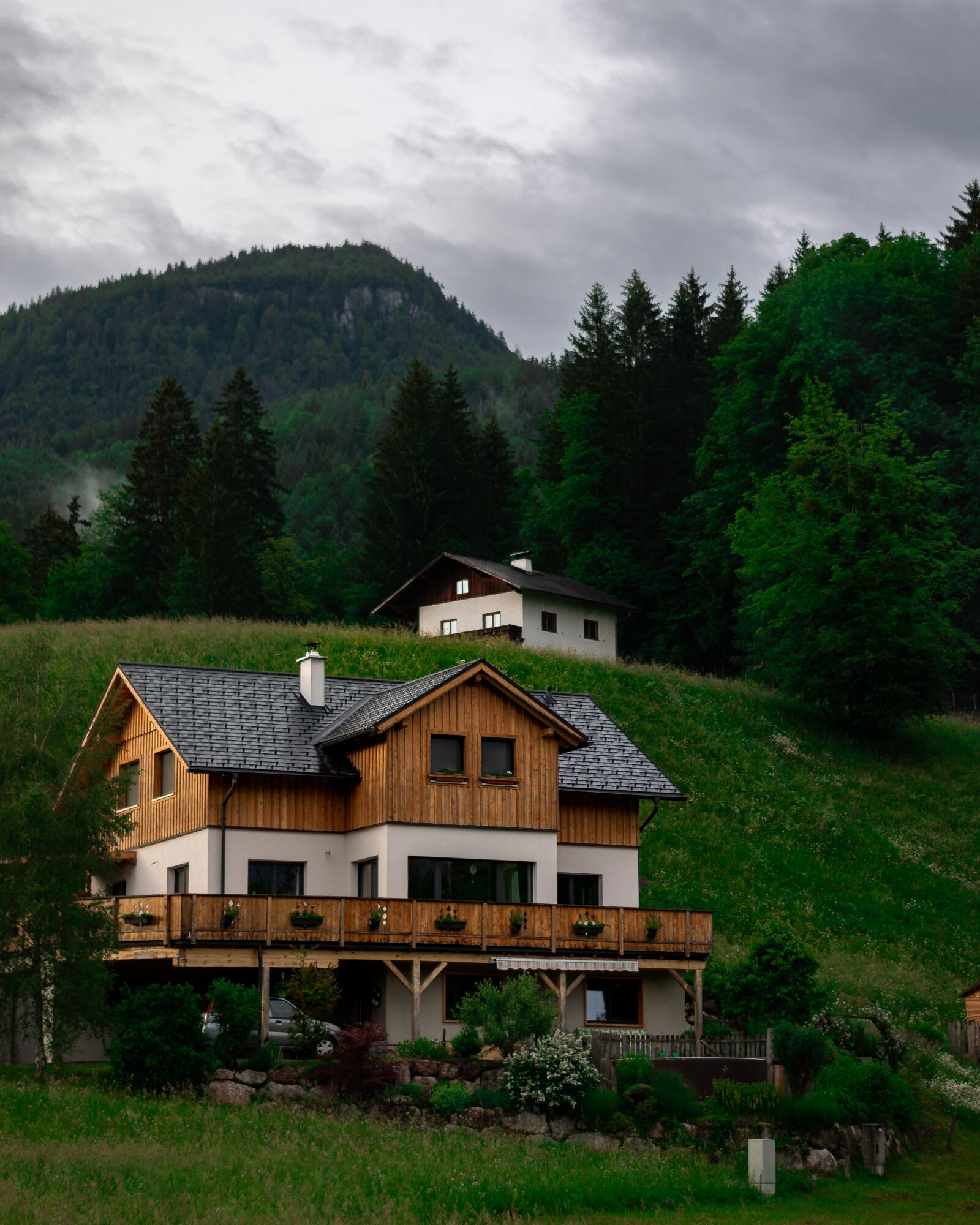
Designing a home with lasting appeal takes more than following the latest decor trends. A beautiful home should feel warm, personal, and timeless. The secret lies in the details. Natural materials, thoughtful design, and quality craftsmanship can give every room a unique look.
A well-designed home also reflects the people who live in it. Each space should feel connected to the next. From the floors to the lighting, every choice plays a role in the final result. When you focus on quality and balance, you can create a home that feels inviting for years to come.
Add Texture to Make Rooms Feel Warm
Texture is one of the easiest ways to make a home feel more inviting. Rooms with only smooth surfaces can feel cold or plain. Mixing different materials adds depth and makes each space more interesting.
Start with the main surfaces in the room. Smooth plaster walls look great beside rough wood beams. Soft linen curtains can balance the firm shape of a leather sofa. A wool rug adds comfort to wood or stone floors.
The key is to create contrast without making the room feel busy. Choose materials that work well together. For example, pair a smooth stone table with woven chairs. Add cotton cushions and a soft throw to make the seating area feel relaxed.
Choose Durable Surfaces for Everyday Living
Hard surfaces play a major role in both the look and function of a home. Kitchens and bathrooms need materials that can handle daily use while still looking beautiful. The right choices can make these rooms easier to maintain and more enjoyable to use.
Countertops are a good place to start. They cover large areas and often become a main feature of the room. Their color, pattern, and finish can shape the look of your kitchen or bathroom.
Homeowners searching for high-quality countertops in Conroe, TX, often consider granite and quartz. Both materials offer useful benefits for busy homes. Granite has natural patterns that make each slab unique. Quartz offers a wide range of colors and patterns to suit different design styles.
Think about your daily routine before choosing a countertop. Do you cook often? Do you need a surface that is easy to clean? Do you prefer bold stone patterns or a simple, even color? These questions can help you find a material that suits your needs.
Use Natural Colors to Create a Calm Home
Color can change the mood of a room in an instant. While white walls remain popular, natural shades can add more warmth and personality. Earthy colors also work well with wood, stone, and other natural materials.
Consider shades such as olive green, warm beige, terracotta, ochre, and deep brown. These colors bring a sense of comfort to living spaces. They also create a strong link between indoor rooms and the natural world outside.
Green walls can make a room feel calm and fresh. Terracotta adds warmth and works well with cream fabrics and wood furniture. Ochre brings a soft golden tone to spaces that need more color. Deep brown can make a large room feel cozy and grounded.
Connect Indoor and Outdoor Living Spaces
Outdoor areas can become a natural extension of your home. With the right layout, a patio or covered porch can feel like another living room. This approach gives you more space to relax, dine, and spend time with family and friends.
Large sliding or folding glass doors can connect indoor rooms to the garden. When open, they allow fresh air to move through the home. When closed, they still offer wide views and plenty of natural light.
Covered patios are useful in many climates. They provide shade and shelter while letting you enjoy the outdoors. Add comfortable seating, an outdoor rug, and soft lighting to create a welcoming space.
Use Lighting to Shape the Mood
Lighting does more than help you see at night. It can highlight special features, create a cozy mood, and make each room more useful. A good lighting plan uses several light sources instead of relying on one ceiling fixture.
Start with general lighting for everyday tasks. Ceiling lights can brighten the whole room. Then add task lighting where you need focused light, such as over kitchen counters, desks, and reading chairs.
Accent lighting draws attention to special details. Wall lights can highlight textured walls or artwork. Small lights inside bookcases can make displayed objects stand out. Pendant lights above a kitchen island can also create a warm place for family and guests to gather.
Mix Vintage Pieces With Modern Furniture
A home does not need matching furniture to look well designed. In fact, using the same style in every room can make a space feel like a showroom. Mixing old and new pieces creates a more personal look.
Vintage furniture often brings details that are hard to find in mass-produced items. An old oak table may have rich grain and signs of age. An antique mirror can add warmth to a simple bathroom. A classic cabinet may offer both storage and charm.
Pair these pieces with modern furniture to keep the room fresh. For example, place sleek dining chairs around a weathered wood table. Set a simple modern sofa beside a vintage side table. The contrast helps each item stand out.
Display Art and Personal Collections With Care
Art and personal objects help turn a house into a home. They show your interests, memories, and style. The goal is to display these items in a way that feels thoughtful rather than crowded.
Gallery walls work well in hallways, living rooms, and stairways. You can group family photos, prints, and paintings in matching frames. For a more relaxed look, mix frame sizes while keeping a similar color scheme.
Large artwork can make a strong statement above a sofa or bed. It can also bring together the main colors in a room. Choose a piece that suits the scale of the wall. Art that is too small may look lost in a large space.
Create a Home That Lasts
You do not have to finish every room at once. Take your time, focus on quality, and make choices that support the way you live. The result will be a home that feels comfortable, looks balanced, and holds its appeal for many years. Make sure to check out the rest of our articles!
