
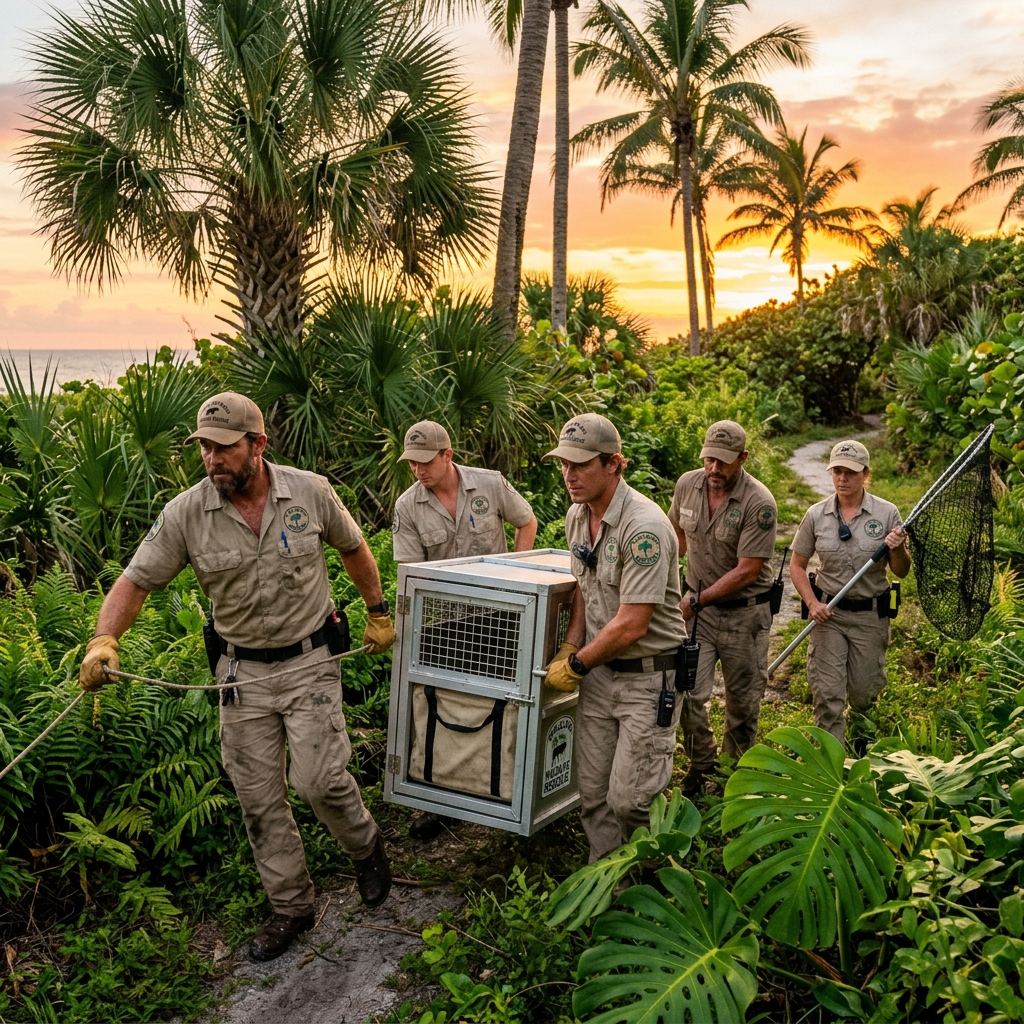
Living along Florida’s southeastern coast means sharing space with an incredible range of wildlife. Raccoons raid garbage cans, iguanas dig up gardens, and squirrels find their way into attics with surprising regularity. For homeowners in Palm Beach, these encounters are becoming less of a rare surprise and more of a routine part of homeownership.
That shift has fueled a growing demand for professional wildlife management. As neighborhoods continue to expand into areas that were once natural habitat, animals are adapting quickly, often choosing the shelter of a warm attic or the abundance of a well-kept backyard over their traditional territory. The result is more frequent, and sometimes more stressful, run-ins between people and wildlife.
Fortunately, homeowners don’t have to handle these situations alone. Trained wildlife removal professionals bring the tools, techniques, and local knowledge needed to resolve conflicts safely, humanely, and permanently.
What Draws Wildlife Into Residential Areas?
Understanding why animals show up in the first place makes it easier to appreciate why professional intervention works so well. Several factors consistently attract wildlife to homes and yards:
- Accessible food sources: Unsecured trash cans, pet food left outdoors, and fruit trees all send a clear invitation to hungry animals.
- Shelter opportunities: Attics, crawl spaces, sheds, and dense landscaping offer safe, warm places to nest and raise young.
- Water availability: Pools, birdbaths, and irrigation systems provide a reliable water source, especially during Florida’s dry months.
- Reduced natural habitat: As construction continues to reshape the landscape, wildlife has fewer places to go, pushing many species closer to human dwellings.
Once an animal identifies a property as a good source of food or shelter, it’s likely to return, and often to bring others along with it.
Common Wildlife Challenges Facing Palm Beach Residents
Palm Beach’s warm climate supports a diverse population of wildlife, and certain species tend to cause the most friction with homeowners.
Iguanas and Reptile Intrusions
Green iguanas have become a familiar, if unwelcome, sight throughout South Florida. These reptiles burrow into seawalls, damage landscaping, and leave droppings that create sanitation concerns. Their populations have grown substantially in recent years, making them one of the most reported nuisance species in the region.
Raccoons and Attic Invasions
Raccoons are resourceful and surprisingly strong, capable of tearing through soffits or squeezing through small gaps to access attics. Once inside, they can cause significant damage to insulation, wiring, and ductwork, all while creating noise disturbances at night.
Rodents and Structural Damage
Rats and mice may be smaller, but their impact can be just as costly. They chew through wiring, contaminate stored items, and multiply quickly if left unaddressed.
Snakes and Backyard Encounters
While many snake species found in residential areas are harmless, their presence still causes concern for families and pets. Proper identification and removal are essential for both safety and peace of mind.
Why Professional Removal Beats DIY Solutions
It’s tempting to handle a wildlife problem with a trap from the hardware store, but this approach often falls short. DIY methods frequently address the symptom rather than the cause, allowing animals to return within weeks or leaving entry points open for new visitors.
Professional wildlife removal services take a more comprehensive approach:
- Accurate species identification: Knowing exactly what animal is involved shapes the entire removal strategy, from the type of trap used to the legal requirements for handling.
- Humane capture methods: Trained technicians use techniques designed to minimize stress and harm to the animal, in line with wildlife handling best practices.
- Exclusion and prevention: Sealing entry points and removing attractants prevents future intrusions, something a single trap can’t accomplish.
- Safety for the household: Professionals understand how to avoid bites, scratches, and exposure to parasites or diseases that wildlife can carry.
- Compliance with regulations: Florida has specific rules governing the handling of certain species, particularly reptiles like iguanas. Professionals stay current on these requirements so homeowners don’t have to.
The Value of Local Expertise
Wildlife behavior varies by region, shaped by climate, available food sources, and native species. A company with deep roots in the Palm Beach area brings a level of insight that general pest control services often can’t match. Local technicians know which neighborhoods see the highest iguana activity, which seasons bring more raccoon calls, and which prevention methods hold up best against Florida’s humidity and heavy rains.
This local knowledge translates directly into faster, more effective solutions. Instead of applying a generic removal process, technicians can tailor their approach to the specific conditions of a Palm Beach property.
Choosing a Wildlife Removal Service You Can Trust
Palm Beach Wildlife Services brings hands-on regional experience to every property, offering prompt response times, humane removal techniques, and long-term exclusion work designed to keep unwanted animals from returning. That combination of speed, care, and lasting results is exactly what homeowners should look for when comparing their options.
A trustworthy provider will walk through the property, explain what’s causing the issue, and outline a clear plan before any work begins. Transparency about methods and pricing builds confidence, and a focus on prevention, not just removal, signals a service built for long-term results rather than quick fixes.
Wildlife will always be part of life in Palm Beach. With the right team handling the details, homeowners can protect their property, their families, and the animals themselves, all while keeping their homes exactly the way they should be: comfortable, safe, and wildlife-free.
