
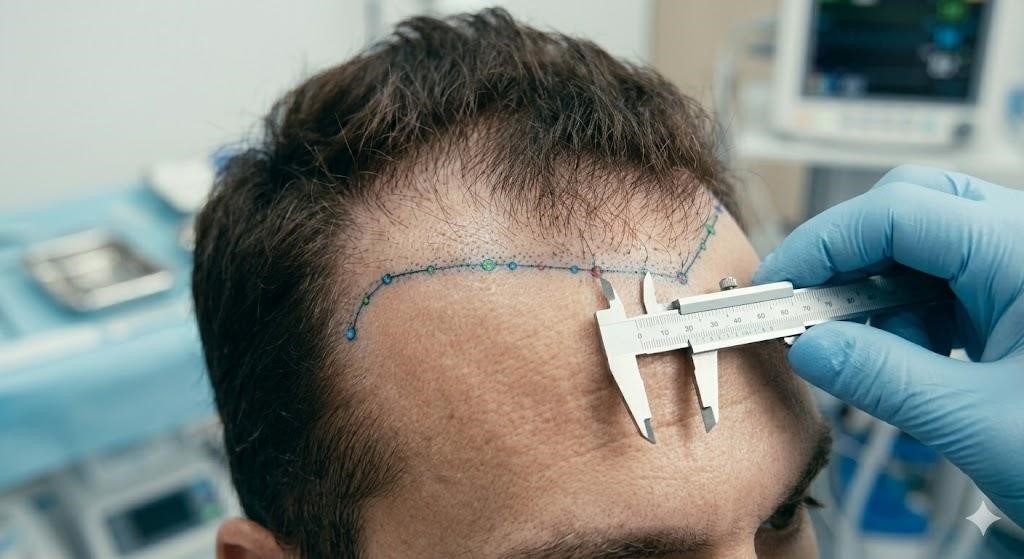
What Should Patients Expect from a 1000 Graft Hair Transplant? Minor restorative procedures serve as a critical option for individuals facing early stage thinning or localized recession. Clinical data suggests that smaller graft counts allow for higher precision in specific areas such as the temporal peaks or the frontal ridge.
Many patients in the United Kingdom prioritize these smaller interventions to maintain a natural aesthetic before significant loss occurs. Medical professionals utilize these sessions to stabilize the hairline and increase density without depleting the permanent donor zone. This approach focuses on long term scalp management rather than a single large operation.
Which Conditions Require a 1000 Graft Procedure?
Early follicular miniaturization often targets the frontal hairline and the temples first. These areas frequently require a subtle increase in density to restore the original facial frame. A focused clinical plan addresses these gaps by relocating healthy follicles from the back of the head. Specialists evaluate the degree of recession to determine if a smaller graft count provides sufficient coverage.
Biological factors such as family history and hormonal sensitivity dictate the speed of hair loss. Patients observing minor changes in their hairline benefit from early clinical assessment. Identifying these shifts allows for a proactive strategy that uses fewer grafts over time. This methodology preserves the donor area for any potential future procedures as the patient ages.
Some individuals seek minor corrections to address past physical trauma or scarring. Localized hair loss from injuries often requires a precise number of grafts to blend with the surrounding native hair. A clinical scalp examination confirms if the recipient tissue possesses the necessary blood supply to support new growth. Proper diagnostic mapping ensures that each graft is placed within a healthy biological environment.
How Does a 1000 Graft Hair Transplant Differ from Larger Sessions?
Smaller procedures focus on refinement and localized density rather than total scalp restoration. A 1000 Graft Hair Transplant typically targets very specific zones such as the widow’s peak or the sideburns. These sessions require less time in the operating room and offer a faster recovery period for the patient. The clinical team maintains a high focus on the exact angulation of each individual graft.
Technical precision remains the primary priority during these shorter sessions. Surgeons extract single hair units to create a soft and realistic transition at the very front of the hairline. This level of detail is vital for preventing an artificial or plug like appearance. Larger sessions often involve more multi hair units to cover broader areas of the scalp or crown.
Patients often find that smaller graft counts allow for a more discreet recovery process. The minor redness and swelling associated with the procedure usually subside within a few days. This efficiency makes it a viable choice for professionals who need to return to work quickly. Clinical protocols remain identical to larger operations to maintain the highest standards of safety and hygiene.
Is a 2000 Graft Hair Transplant Necessary for Minor Thinning?
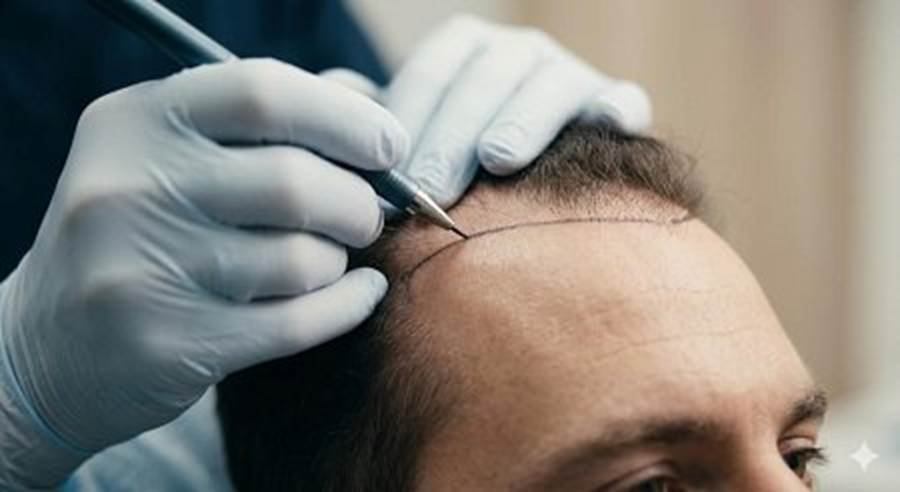
Choosing the correct number of follicles is a fundamental step in modern restorative medicine. A 2000 Graft Hair Transplant provides significant coverage for moderate thinning but may be unnecessary for early stage recession. Over harvesting follicles can lead to visible thinning in the donor area if the clinical plan is too aggressive. Specialists balance the patient’s goals with the anatomical reality of their donor supply.
The table below outlines the general suitability for different graft counts based on common clinical patterns.
| Graft Count | Primary Target Area | Stage of Thinning |
| 1000 Grafts | Temporal peaks and minor hairline recession | Early stage loss |
| 2000 Grafts | Frontal ridge and mid scalp thinning | Moderate pattern loss |
| 3000+ Grafts | Significant crown and frontal depletion | Advanced hair loss |
Medical professionals emphasize that the quality of graft placement is more important than the total count. A well designed plan with fewer grafts often produces a more natural result than a crowded implantation. Clinicians monitor the patient’s long term stability to ensure the restoration ages gracefully. This strategic logic helps maintain a balanced and healthy head of hair over many years.
Why Do British Individuals Seek Clinical Care in Delft?
High medical standards and structured clinical protocols make the Netherlands a primary destination for British patients. The city of Delft houses specialized facilities that focus on advanced microsurgical hair restoration. British individuals often seek a Hair Transplant at these Dutch centers due to the technical expertise and competitive pricing. The proximity of Delft to major international transport hubs makes the logistics simple for those traveling from London.
The Dutch healthcare system enforces rigorous safety standards and frequent clinical audits for all surgical centers. This regulatory environment provides a high level of security for international patients. Many individuals find that the quality of care in Delft matches the most respected options available domestically. The focus remains on providing a medical service that adheres to strict European health protocols.
Hairtec operates using an integrated model that connects initial UK consultations with surgical care in Delft. This cross border approach provides access to specialized surgical teams while maintaining local oversight. Patients complete their diagnostic planning and blood work locally before traveling for the operation day. This system ensures that the medical team has all the necessary data for a successful procedure. Continuity of care remains a priority throughout the entire recovery year.
What Technical Protocols Optimize Follicle Survival?
Successful restoration depends on the biological vitality of the follicles during the relocation process. Surgeons extract individual units using micro surgical tools to minimize tissue trauma in the donor area. The handling of these units outside the body requires a temperature controlled environment and specialized storage solutions. Roots are highly sensitive to physical stress and dehydration during the transition period.
Medical teams prioritize the following technical steps to maintain high survival rates:
- Sorting harvested grafts by hair count under high magnification tools.
- Mapping the recipient area to follow natural hair growth directions.
- Controlling the moisture levels of the grafts constantly during the session.
- Using high precision tools to create recipient sites at exact angles.
- Reviewing the final placement to confirm symmetry and density levels.
Clinicians often use advanced implantation methods to reduce the time follicles spend outside the scalp. Organizations like the British Association of Hair Restoration Surgery provide detailed guidelines for these technical standards. Minimizing the time between extraction and implantation significantly increases the success rate of the procedure. These protocols ensure that the new growth integrates naturally with the existing hair.
How Should Patients Manage Their Post Operative Recovery?
The first fourteen days following the procedure dictate the final aesthetic success of the restoration. The newly implanted follicles must establish a secure blood supply within the scalp tissue. Patients receive a specific list of clinical instructions to protect the area during the initial healing phase. Adhering to these rules allows the skin to heal without unnecessary irritation or infection.
Most patients observe that the minor swelling around the forehead subsides within five days. The transplanted hairs naturally shed within the first month as the follicles enter a temporary dormant phase. This is a normal part of the biological cycle and does not indicate a failure of the surgery. New growth begins to emerge around the fourth month and continues to thicken for up to a year.
Regular follow up appointments allow the medical team to monitor this progress accurately. Clinicians track the integration of the grafts and the health of the surrounding native hair. This ongoing relationship ensures that the patient achieves the best possible result from their investment. A structured recovery plan supports long term satisfaction and hair health.
1000 Graft Hair Transplant FAQs
At what age can a patient get a 1000 graft transplant?
Medical teams generally suggest waiting until the age of 25 to ensure that hair loss patterns have fully stabilized. This allows for a more predictable surgical plan that adapts to future biological changes.
How long do the results of a 1000 graft procedure last?
Follicles moved from the back of the scalp are genetically resistant to thinning and will grow for a lifetime. These hairs retain their original characteristics but will naturally grey along with the rest of the hair.
Is the follicular extraction process painful for the patient?
The medical team applies local anesthesia to the donor and recipient areas to ensure a pain free experience. Most patients feel only a minor pressure during the procedure and can relax comfortably while the surgeon works.
When can a patient return to normal social activities?
Most individuals feel comfortable returning to work and social settings within three to five days after the operation. Any minor scabbing or redness in the treated area usually resolves within this timeframe as the skin heals.
Can a 1000 graft procedure cover significant crown thinning?
A smaller graft count is typically insufficient for advanced thinning in the vertex or crown area. Specialists usually recommend higher graft counts for these regions to achieve adequate density and coverage.
Why is the Delft facility preferred for British patients?
The center in Delft offers a combination of high European safety standards and specialized expertise in microsurgical restoration. Patients receive a structured experience that bridges the gap between UK consultations and Dutch surgical precision.
