
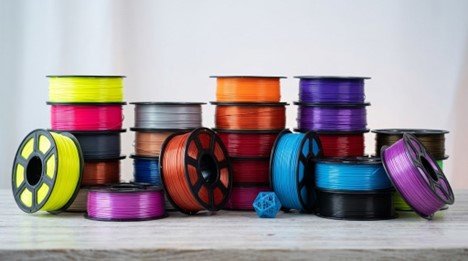
Filament is a material used in 3D printing. It comes in long, thin strings and is melted inside a 3D printer. This melted material builds objects layer by layer. Common types include PLA, ABS, and PETG. Each type has different strengths and uses. PLA is easy for beginners. ABS is strong and heat-resistant. PETG is flexible and durable.
Filament is available in many colors. It is widely used in prototyping, design, and DIY projects. Good quality filament gives smooth and clean prints. Poor-quality filament can cause printing problems.
Filament Temperature Settings
The temperature of the filament plays a crucial role in 3D printing operations. Each material needs a different heat level. The PLA material operates at its lowest temperature. The ABS material requires higher temperature levels. The PETG material functions at a temperature that lies between these two extremes.
The printing process will fail if the temperature settings are incorrect. The printing process will result in weak layers when the temperature is set too low. The printing process will produce stringing when the temperature is set too high.
Beginner Filament Tips
Beginners should start with easy filament like PLA. The material provides simplicity for operation while remaining affordable to users. Filament should always be kept in a state that is both dry and clean. The presence of moisture will damage the quality of the printed output. The correct printer settings should be used to achieve optimal printing results.
The practice of starting with small models serves as a foundation for learning. The practice of starting with small models serves as a foundation for learning. Process your learning through gradual progress from one step to another. The temperature of the nozzle needs to be verified before the printing process begins.
Strong Filament Materials
Filaments with high durability properties use strong filament materials, which create lasting prints. ABS and PETG are among the strongest commonly used filaments, which can withstand high temperatures and high-pressure environments. Nylon, on the other hand, combines high strength with excellent flexibility. The materials serve as manufacturing materials that create both tools and equipment.
Engineering projects require strong filament materials because they provide high durability. The material exhibits strong resistance to breaking. The material requires you to use the correct temperature for obtaining maximum strength. Proper cooling methods and correct settings need to be applied to achieve strong printed materials.
Filament Color Choices
Filament comes in many colors for creativity. You can choose bright or soft shades. The standard colors include red, blue, black, and white. Some filaments have a shiny or matte finish.
The strength of the print remains unchanged because the color only affects the visual appearance. Multi-color filaments create beautiful effects. Designers use colors for models and art. The appropriate color selection should be made according to the project requirements. Attractive prints result from effective color selection.
Eco-Friendly Filament Options
Eco-friendly products are made from safe materials. PLA 3D filament serves as a widely used, environmentally friendly material. Corn starch and sugar serve as the primary components of this material. The material decomposes faster than plastic.
These filaments produce less environmental damage. The products are appropriate for use by schools and beginner users. Eco filaments provide acceptable printing results. Numerous companies now provide environmentally friendly product choices. The use of these products helps to decrease plastic pollution.
Filament Usage Applications
People who want to buy filament need to conduct a thorough examination. Always choose trusted brands for quality. Buyers need to confirm which filament type they want to buy. Beginners should start with PLA because it is the most suitable option. Users who need strong prints should choose between ABS and PETG. Cheap filament may cause printing issues.
Before making online purchases, users should read customer reviews. Users need to inspect both spool weight and spool color selection. Good filament produces printing results that display total operational efficiency. Proper storage should be done after all purchases.
Common Filament Issues
Filament problems can affect printing quality. The most common problem occurs when the nozzle becomes blocked. Moisture makes filament material less durable. Temperature errors can cause material to warp. Stringing creates thin plastic threads.
Poor adhesion causes layer separation. Low-quality filament increases printing errors. Always store filament in a dry place. Clean the nozzle regularly for smooth flow. Check settings before every print.
Conclusion
Filament serves as the essential material for 3D printing. The material determines the printing outcome, which includes both strength and final appearance. The various filament types, which include PLA, ABS, and PETG, serve different applications.
Optimal results require both proper temperature settings and proper material storage conditions. Beginners should start with easy filaments for better learning. Today, multiple options exist that provide both strength and environmental sustainability.
FAQ’s
Why does filament temperature matter?
The incorrect temperature results in two problems, which include weak prints and printing errors.
How should filament be stored?
For optimal results, keep the material in a dry environment while protecting it from all forms of moisture.
What causes filament printing issues?
The combination of high humidity, together with improper machine settings and low-grade printing material, causes printing problems.
