
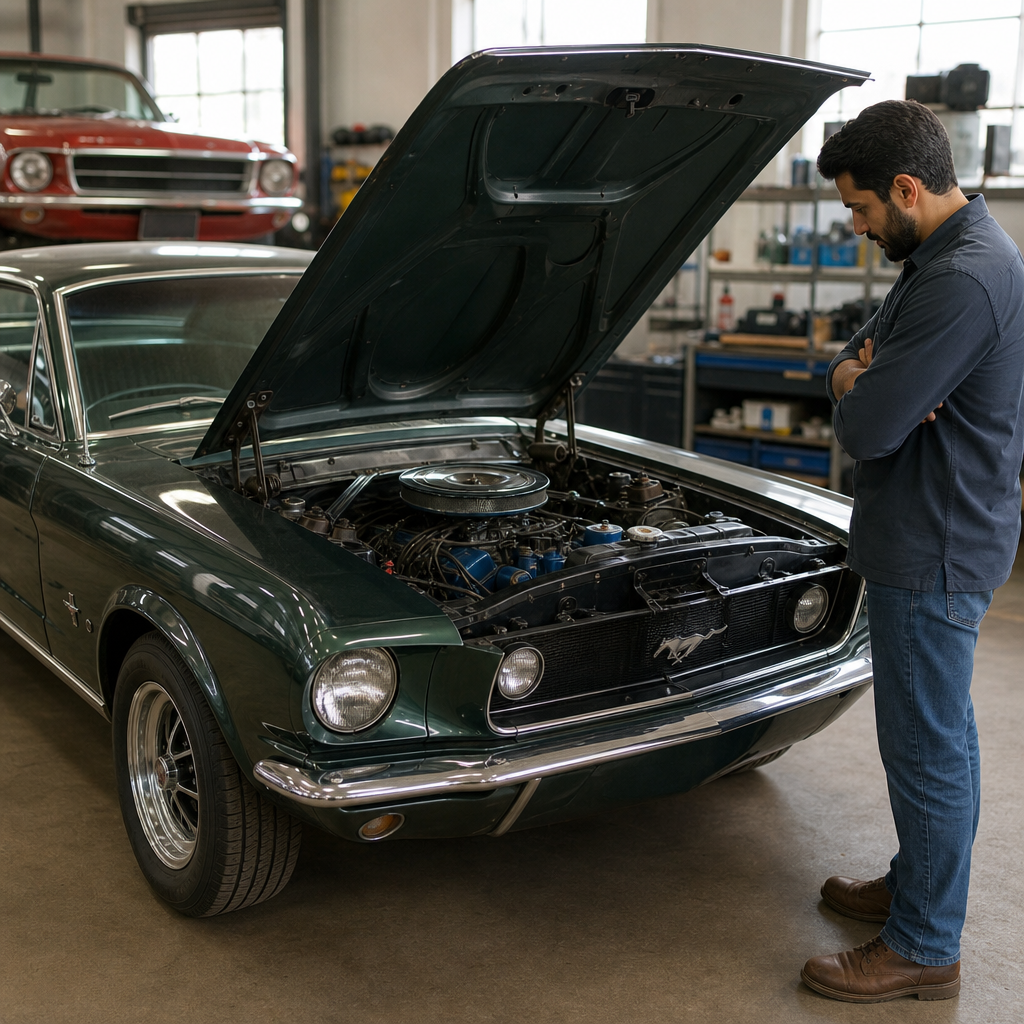
Few vehicles in automotive history carry the cultural weight and mechanical mystique of the 1968 Ford Mustang. Whether you spotted one at a car show, grew up watching it tear across cinema screens, or simply fell in love with its long hood and aggressive fastback silhouette, the desire to own one is entirely understandable. But desire and readiness are two different things. Before you sign any paperwork or shake any hands, there is a great deal worth understanding about what this iconic machine demands from its owner — financially, mechanically, and emotionally.
The Legacy Behind the Sheet Metal
The 1968 model year was a pivotal one for the Mustang. Ford had already established the pony car segment with the original 1964½ debut, but by 1968, the car had matured into something more purposeful. Safety regulations were tightening, muscle car competition was intensifying, and Ford responded with a refined lineup that included the legendary GT Fastback — a car that balanced performance credentials with everyday usability in a way few of its contemporaries could match.
The 1968 Mustang GT Fastback came equipped with a range of engine options, from the competent 302 cubic inch V8 to the thunderous 390 and the rare 428 Cobra Jet. Each configuration offered a distinct driving character, and understanding which variant you are purchasing matters enormously when it comes to sourcing parts, finding qualified mechanics, and setting realistic performance expectations.
Understanding the Real Cost of Classic Ownership
One of the most common mistakes first-time classic car buyers make is underestimating the total cost of ownership. The purchase price is merely the entry fee. What follows is a long-term financial commitment that includes restoration work, preventive maintenance, specialist labour, period-correct parts sourcing, and appropriate storage. Rust is the single greatest enemy of any vintage Mustang, and the 1968 model is no exception. Floor pans, torque boxes, frame rails, and the areas around the trunk and rear wheel arches are particularly vulnerable. A car that looks pristine on the surface may conceal significant structural corrosion underneath.
Insurance is another consideration that catches many new owners off guard. Classic car insurance policies differ substantially from standard coverage, and the agreed value versus actual cash value distinction can have major financial consequences in the event of a claim. Researching specialist insurers who understand the vintage vehicle market is strongly advised before you take possession of the car.
Inspections, Compliance, and Roadworthiness
Roadworthiness is a topic that deserves serious attention regardless of where you are based. Even modern premium vehicles are not immune to compliance failures — as explored in this detailed look at why premium German cars can fail an MOT for minor issues — which illustrates just how rigorous vehicle inspections can be. For a classic car that is over five decades old, the stakes are even higher. Brake systems, steering components, lighting, and emissions equipment all require careful evaluation before the car is deemed road-legal in most jurisdictions.
Having a pre-purchase inspection carried out by a qualified classic car specialist — ideally one with specific Mustang experience — is not optional. It is essential. A thorough inspection will reveal hidden rust, assess the integrity of the chassis, evaluate the condition of the drivetrain, and flag any safety concerns that could prove costly or dangerous down the road.
The Mustang Bloodline: Then and Now
Part of what makes the 1968 Mustang so compelling is the unbroken lineage it represents. Ford has continued to evolve the nameplate across seven generations, and the enthusiasm surrounding each new iteration speaks to the enduring power of the original design philosophy. Ford’s seventh-generation 2024 Mustang debut demonstrated that the brand remains committed to performance innovation, offering turbocharged and V8 options that honour the spirit of the original while embracing modern engineering. For classic enthusiasts, this continued relevance only strengthens the cultural and collector value of early models like the 1968 GT Fastback.
Understanding where the 1968 model sits within this broader narrative helps prospective buyers appreciate not just what they are purchasing, but why it matters. These cars are not simply old vehicles — they are rolling chapters in one of the most significant stories in American automotive history.
Finding the Right Example
The market for 1968 Mustangs is active but uneven. Prices vary dramatically depending on originality, condition, documentation, and provenance. Numbers-matching cars — those where the engine, transmission, and major components are original to the vehicle — command a significant premium over non-matching examples. However, a well-restored non-matching car can still be an excellent investment and a deeply satisfying ownership experience, provided the work has been done properly and honestly represented by the seller.
Documentation is your best friend in this process. A car with its original window sticker, Marti Report, build sheet, or service history is far easier to authenticate and value accurately. Be cautious of sellers who cannot provide supporting paperwork, and always verify VIN numbers against available databases before committing to a purchase.
Revology Cars: A Modern Approach to a Classic Icon
For those who want the authentic 1968 Mustang experience without the uncertainty of sourcing and restoring an original example, Revology Cars offers a compelling alternative. The company produces meticulously crafted reproductions of classic Ford Mustangs, built to exacting standards with modern mechanical underpinnings that dramatically improve reliability, safety, and drivability — all while preserving the visual and emotional authenticity of the original. Their vehicles are engineered for people who want to drive and enjoy a classic Mustang without the anxiety of mechanical unpredictability that often accompanies a fifty-year-old car.
The Beginner’s Path to Classic Mustang Ownership
For anyone seriously considering entering the world of vintage American muscle, thorough research is the foundation of a successful experience. Owning a 1968 Mustang is a deeply rewarding pursuit, but it rewards those who approach it with patience, diligence, and a genuine respect for what these machines represent. Understanding the mechanical nuances, the restoration landscape, the parts ecosystem, and the community that surrounds these cars will transform the ownership experience from stressful to genuinely joyful.
Conclusion: Passion Informed by Knowledge
The 1968 Ford Mustang GT Fastback is one of the most desirable classic cars ever produced, and for good reason. Its combination of aggressive styling, performance heritage, and cultural significance places it in a category that very few vehicles can claim. But passion alone is not enough to sustain a rewarding ownership experience. The buyers who get the most from these cars are those who invest time in education before they invest money in the vehicle itself.
Whether you pursue an original example, a professionally restored car, or a modern reproduction built to period-correct specifications, the 1968 Mustang will reward your commitment with an ownership experience unlike anything a contemporary vehicle can offer. That is the enduring promise of a true automotive icon — and it is one that this particular car has been keeping for over half a century.
