
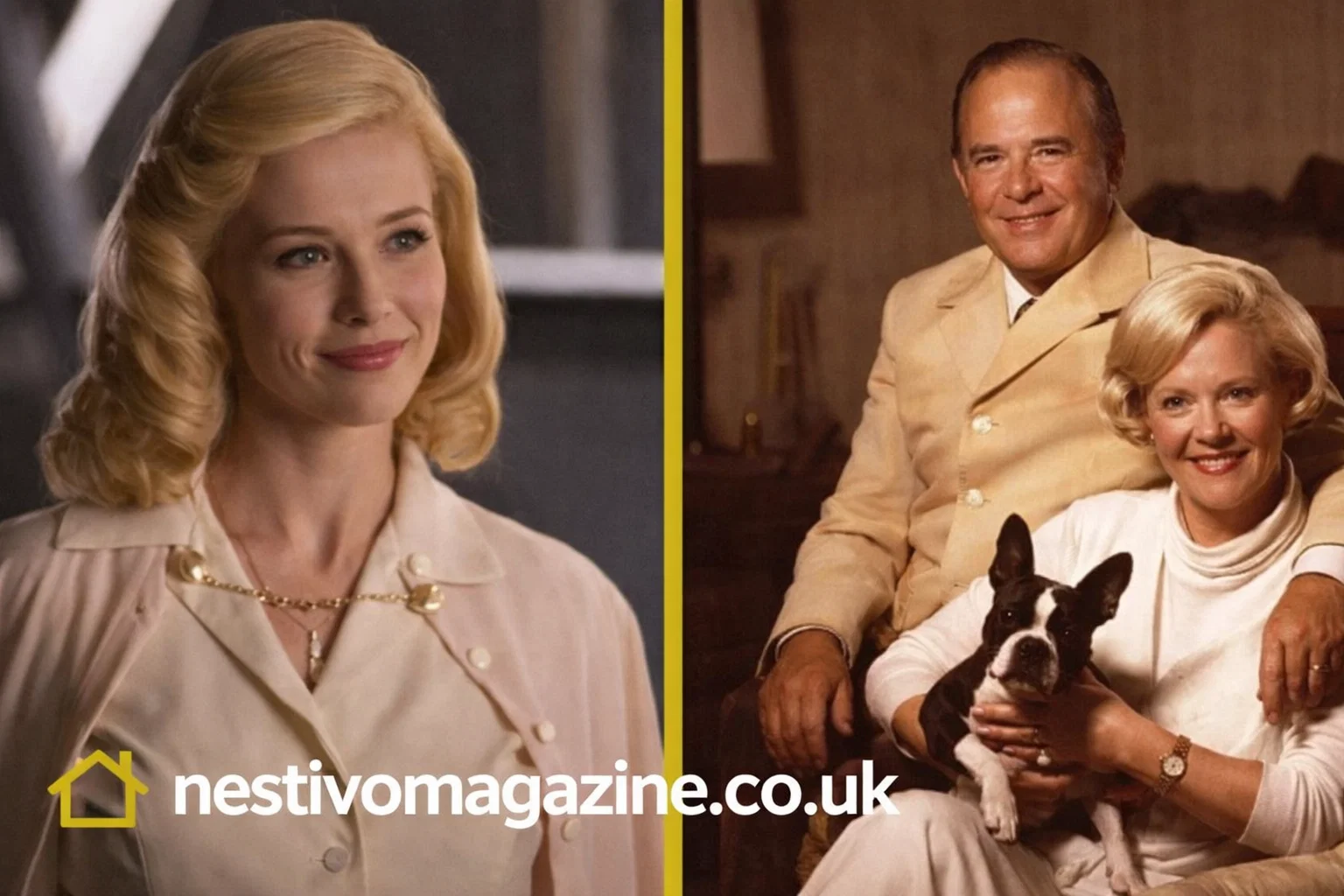
Quick Bio: Jane Dobbins Green
| Attribute | Details |
|---|---|
| Full Name | Jane Dobbins Green |
| Birth Date | November 22, 1911 |
| Birth Place | Walla Walla, Washington |
| Parents | Warren David Dobbins, Grace Myrtle Duncan Frechette |
| Marriage | Ray Kroc (1963–1968), Paul D. Whitney (second spouse) |
| Children | No children with Ray Kroc |
| Career | Secretary to John Wayne |
| Death | August 7, 2000 |
| Burial | Westwood Memorial Park |
Jane Dobbins Green lived a quiet life away from public fame. She was Ray Kroc’s second wife and played a subtle but important role in his personal journey. Her story is often overlooked in the shadow of McDonald’s global fame.
Early Life and Childhood
Jane Dobbins Green was born on November 22, 1911, in Walla Walla, Washington. She grew up in a modest household. Her parents, Warren David Dobbins and Grace Myrtle Duncan Frechette, shaped her early values of resilience and privacy. She had a normal childhood typical for an American early 20th century life.
Her background and upbringing emphasized quiet strength. Jane learned independence early. She cherished family bonds, yet she also developed a sense of personal identity that would guide her future decisions. Her modest roots laid the foundation for a life that valued privacy over publicity.
Education and Professional Journey
Jane received a solid education for her time. She was a bright 20th century American woman with a sharp mind and strong work ethic. Her first professional steps included becoming a secretaria to John Wayne, a role that demanded discretion, organization, and responsibility.
This period allowed Jane to experience the world beyond her quiet household life. She cultivated skills in communication, management, and subtle influence, which later aided her during her marriage to Ray Kroc. Her career was never about fame but about meaningful personal accomplishments absent public notoriety.
Life Before Meeting Ray Kroc
Before meeting Ray Kroc, Jane Dobbins Green lived a private life. She had her own ambitions and pursued them quietly. She maintained friendships, cultivated personal interests, and focused on self-growth.
Her life at this stage was marked by modest upbringing, personal resilience, and a sense of independence. She lived far from the spotlight, which would contrast sharply with the public attention that came with her later marriage. Her story demonstrates the life narrative of an uncelebrated historical figure navigating personal vs public roles.
How Jane Dobbins Green Met Ray Kroc
Jane Dobbins Green met Ray Kroc during a period of her life focused on private pursuits. Their connection was gradual, rooted in shared values and mutual respect. Ray Kroc, already building the fast-food empire of McDonald’s, found in Jane a partner who offered quiet support rather than public fanfare.
Their meeting marked a turning point. Jane transitioned from her private pursuits into the life of a celebrity ex wife. However, she retained her personal resilience and privacy, carefully navigating the marital dynamics with a man whose public image was rapidly expanding.
Marriage to Ray Kroc: Love Story and Challenges
Jane and Ray married in 1963, beginning a period marked by both partnership and tension. The marriage timeline lasted until 1968, a short but notable chapter in both their lives. As Ray Kroc’s second wife, Jane experienced the challenges of being a spouse to a man whose professional life was in the public eye.
- Lived in high-profile environments yet maintained quiet household life
- Supported Ray during career expansion without seeking attention
- Managed personal emotions while navigating marital dynamics
The marriage was a mix of personal connection and societal expectations. Jane’s role as spouse involved balancing love, discretion, and influence. Despite no children, she played a subtle role in Ray Kroc’s personal life and in shaping his narrative outside business.
Divorce from Ray Kroc and Life After Marriage
The couple divorced in 1968. Divorce reasons remain private, but it marked a period of personal transformation for Jane. After leaving Ray Kroc, she reclaimed her personal life and identity.
- Maintained independence and quiet legacy
- Pursued personal interests away from public attention
- Focused on personal growth and reflection
Her life after the divorce shows her resilience and ability to live authentically. She remained an uncelebrated historical figure, respected by those close to her and remembered as a private, strong American woman.
Personal Traits and Character
Jane Dobbins Green was known for her integrity, discretion, and inner strength. She demonstrated quiet influence and resilience throughout her life. Her character traits reflected a blend of personal strength and thoughtful action.
- Maintained privacy despite high-profile marriage
- Demonstrated resilience during challenging life events
- Exhibited quiet support in relationships
These traits allowed her to leave a legacy beyond fame, a life that remains instructive for understanding the roles of historical figures’ spouses who operated outside the spotlight.
Legacy and Historical Context
Jane Dobbins Green’s story illustrates the life of an American historical figure whose impact was subtle but meaningful. Her legacy is found in her discretion, personal growth, and influence on Ray Kroc’s life.
- Provides insight into cultural norms of the era
- Highlights challenges of public vs private persona
- Reflects life after high-profile marriage
Though not widely recognized, her story contributes to understanding the behind-the-scenes influence in one of the world’s most famous business narratives.
Life After Divorce: Personal Growth and Later Years
Following her divorce, Jane pursued a quiet life. She married Paul D. Whitney, and continued living modestly. She remained focused on self-development, reflection, and personal accomplishments absent public notoriety.
Her later years were marked by privacy, contentment, and resilience. Jane remained a figure of personal identity and dignity, embodying the story contextual to McDonald’s growth without stepping into the limelight.
Final Years and Passing
Jane Dobbins Green passed away on August 7, 2000. She was buried at Westwood Memorial Park, a testament to her burial site significance and quiet legacy. Her death marked the end of a life devoted to personal growth and private influence.
Even in death, Jane’s story reflects historical legacy of spouses, demonstrating how lives of second wives can shape public figures in unseen but important ways. Her contributions remain part of the larger McDonald’s story, offering perspective on public versus private persona.
Interaction with McDonald’s Story
While Jane never sought attention, she interacted indirectly with the McDonald’s founder’s journey. Her support during the 1963–1968 (years married) period reflected a quiet influence on Ray Kroc’s personal stability.
- Encouraged balance between public life and private decisions
- Offered personal insight during periods of professional expansion
- Maintained discretion, protecting both personal and family reputation
Her role shows the behind-the-scenes influence of spouses in shaping historical business narratives.
Cultural and Historical Relevance
Jane’s life provides a window into the cultural context of an early 20th century woman. She navigated societal expectations, personal resilience, and privacy over publicity.
Her public image may be limited, but she exemplifies the quiet power of women in shaping personal vs business life narratives, especially in high-profile relationships. Her life contributes to understanding American early 20th century life and the pressures of marriage influence in historical context.
Table: Key Life Milestones
| Milestone | Year | Significance |
|---|---|---|
| Birth | 1911 | Walla Walla, Washington, modest upbringing |
| Secretary job | 1930s | Worked with John Wayne, early professional journey |
| Married Ray Kroc | 1963 | Became second wife of McDonald’s founder |
| Divorce | 1968 | Reclaimed personal life and independence |
| Married Paul D. Whitney | 1970s | Life after high-profile marriage |
| Death | 2000 | Buried at Westwood Memorial Park |
Conclusion
Jane Dobbins Green remains an uncelebrated historical figure whose life exemplifies resilience, privacy, and personal growth. As Ray Kroc’s second wife, she balanced personal integrity with the pressures of public scrutiny, leaving a quiet legacy that enriched the narrative of one of the world’s most famous business stories. Her life is a testament to the strength of American women navigating societal expectations, marital dynamics, and personal fulfillment.
Her story reminds us that some of history’s most meaningful contributions happen behind the scenes, where influence is subtle yet lasting. Jane’s life encourages respect for personal identity, quiet support, and integrity in all walks of life.
FAQs About Jane Dobbins Green
1. Who was Jane Dobbins Green?
She was an American woman, the second wife of Ray Kroc, and lived a quiet life focused on personal growth and discretion.
2. What was her relationship with Ray Kroc like?
Jane supported Ray during his career while maintaining a private life. They were married from 1963–1968 and had no children together.
3. Did Jane Dobbins Green have a career of her own?
Yes, she worked as a secretaria to John Wayne and maintained a professional life before and after her marriage.
4. How did she influence Ray Kroc’s life and work?
Her quiet influence and emotional support helped him maintain balance during the McDonald’s founder’s expansion.
5. How is Jane Dobbins Green remembered today?
She is remembered as a resilient, private figure whose life exemplifies personal growth, legacy beyond fame, and historical context.
