
Every construction site, warehouse, manufacturing plant, and industrial operation depends heavily on efficient material handling. Businesses that regularly move heavy goods understand how important it is to maintain productivity while keeping operational costs under control. Whether the task involves lifting pallets, transporting heavy inventory, stacking products, or unloading shipments, choosing the right equipment can significantly impact workflow efficiency. In today’s competitive business environment, companies continuously look for practical solutions that allow them to complete projects faster without overspending on expensive machinery purchases.
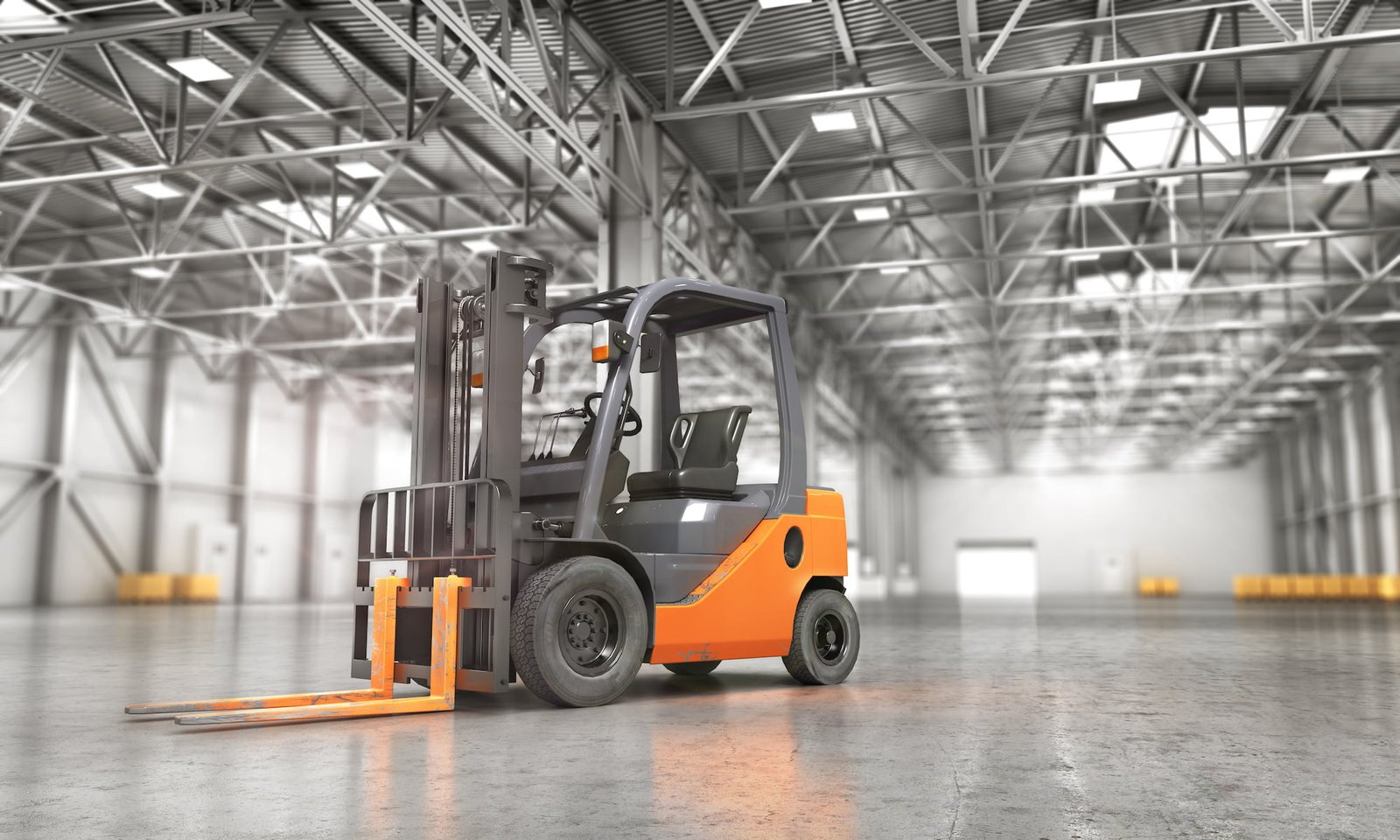
One of the most cost-effective solutions available to businesses today is forklift rentals. Instead of investing a large amount of capital into purchasing heavy lifting equipment outright, many companies prefer temporary access to modern machinery that suits their current operational demands. This approach offers flexibility, convenience, and financial relief, especially for businesses managing short-term contracts, seasonal workloads, or rapidly changing project requirements.
Modern industries operate in an environment where adaptability is crucial. Equipment needs may change from one project to another, and businesses often struggle when they own machinery that no longer fits their current operational scale. Renting heavy equipment provides organizations with the freedom to select machinery according to immediate project requirements without worrying about depreciation, long-term maintenance, or storage issues. This flexibility has transformed how companies approach logistics and material handling operations across multiple sectors.
Understanding the Importance of Material Handling Equipment
Material handling plays a critical role in almost every industrial setting. The movement of goods from one point to another must be executed efficiently to minimize delays and maximize productivity. Poor handling practices often lead to damaged inventory, increased labor costs, workplace injuries, and operational inefficiencies. Companies that rely solely on manual labor for heavy lifting frequently face slower production rates and higher physical strain on workers.
Advanced lifting equipment helps streamline operations by allowing workers to transport and organize heavy materials with speed and precision. Warehouses benefit from improved inventory management, construction sites experience faster movement of supplies, and manufacturing facilities maintain smoother production cycles. Efficient equipment contributes not only to productivity but also to workplace safety, which remains one of the most important concerns for modern businesses.
Organizations that adapt quickly to fluctuating demands usually maintain a competitive advantage over those relying on outdated operational methods. Access to reliable machinery allows businesses to maintain deadlines, improve service quality, and reduce operational downtime. As industries continue evolving, companies increasingly seek flexible equipment solutions that align with both financial and operational goals.
Financial Benefits of Renting Equipment
Purchasing industrial machinery requires a substantial financial commitment. New equipment can be extremely expensive, and the costs do not end after the initial purchase. Businesses must also account for maintenance, repairs, storage, insurance, transportation, and equipment depreciation over time. These ongoing expenses can place significant pressure on budgets, particularly for small and medium-sized companies.
Renting equipment provides a practical alternative that helps businesses preserve capital for other operational priorities. Instead of allocating a large percentage of financial resources toward machinery ownership, organizations can use their available funds for workforce expansion, inventory management, marketing, or project development. This financial flexibility often allows businesses to scale more efficiently without compromising operational quality.
Another major advantage of equipment rental is predictable budgeting. Rental agreements generally involve fixed costs, making it easier for businesses to estimate project expenses accurately. Companies avoid unexpected repair bills and maintenance charges because these responsibilities are often handled by the rental provider. As a result, financial planning becomes more manageable, allowing organizations to focus on productivity rather than equipment-related financial burdens.
The demand for forklift rentals has increased significantly because companies recognize the value of reducing ownership risks while maintaining access to modern machinery. Businesses can obtain the exact equipment they need for a specific duration without committing to long-term ownership costs. This strategy is particularly beneficial for projects with temporary or seasonal requirements.
Flexibility for Different Project Requirements
Not all projects require the same type of machinery. Some operations may need compact lifting equipment for narrow warehouse aisles, while others require heavy-duty machines capable of transporting large industrial loads. Purchasing multiple machines to cover every possible requirement is often impractical and financially inefficient.
Rental solutions provide access to a wide range of machinery options, allowing businesses to choose equipment that precisely matches their current tasks. This flexibility improves operational efficiency because companies can avoid using oversized or underpowered equipment for specialized jobs. Having the right machine for the right task reduces fuel consumption, minimizes wear and tear, and enhances worker productivity.
Temporary equipment access is especially useful during peak business periods. Retail warehouses, manufacturing facilities, and logistics companies frequently experience seasonal demand spikes that require additional lifting capacity. Rather than purchasing extra machinery that may remain unused during slower months, businesses can temporarily expand their operational capabilities through rental agreements.
Project timelines also vary significantly across industries. Some construction projects may last several weeks, while others continue for months or years. Rental agreements can often be customized according to project duration, giving businesses the flexibility to adjust equipment usage as operational needs evolve. This adaptability helps organizations remain efficient without overcommitting resources.
Access to Modern Technology and Advanced Features
Industrial equipment technology continues advancing rapidly. Modern lifting machines now include improved fuel efficiency, enhanced safety systems, ergonomic controls, automated diagnostics, and environmentally friendly performance features. Businesses that rely on outdated equipment may struggle with lower efficiency, higher maintenance costs, and reduced operator comfort.
Rental providers typically maintain updated fleets to remain competitive in the market. This means businesses gain access to modern machinery without needing to purchase the latest models themselves. Using advanced equipment allows companies to improve productivity while benefiting from the newest technological innovations available in the industry.
Safety technology has become particularly important in modern industrial operations. Newer machinery often includes enhanced visibility systems, stability controls, load management features, and operator assistance tools that reduce accident risks. Improved safety contributes to lower workplace injury rates and better compliance with industry regulations.
Access to updated machinery also supports environmental sustainability goals. Many modern machines produce lower emissions and consume less fuel compared to older models. Businesses seeking environmentally responsible operational practices can improve their sustainability performance by utilizing newer rental equipment designed with energy efficiency in mind.
Reducing Maintenance and Downtime Challenges
Equipment maintenance is one of the most time-consuming and expensive aspects of machinery ownership. Regular servicing, inspections, repairs, and part replacements are essential to keeping industrial equipment operational. Unexpected breakdowns can lead to costly delays, disrupted workflows, and missed project deadlines.
Rental agreements often include maintenance support from the provider, reducing the burden on businesses. If a machine develops technical issues, rental companies typically handle repairs or provide replacement equipment to minimize operational disruptions. This support allows businesses to maintain productivity without worrying about complex maintenance responsibilities.
Downtime can severely impact project profitability. Delayed shipments, halted production lines, and interrupted construction schedules all contribute to financial losses. Reliable rental providers understand the importance of operational continuity and often prioritize quick service responses to keep projects running smoothly.
Another advantage of avoiding ownership is eliminating long-term storage concerns. Large industrial machinery requires secure storage space when not in use, which can increase operational expenses. Renting equipment only when necessary helps businesses optimize workspace utilization while reducing unnecessary overhead costs.
Many companies choose forklift rentals because they prefer focusing on core business activities rather than managing maintenance schedules and repair logistics. Outsourcing equipment management to rental providers simplifies operations and allows businesses to allocate more time toward growth and customer service.
Enhancing Workplace Safety and Productivity
Workplace safety remains a major priority across all industries involving heavy material handling. Improper lifting methods and outdated equipment can create hazardous working conditions that endanger employees and increase liability risks. Businesses must ensure that workers have access to reliable machinery and proper operational support to maintain a safe environment.
Modern lifting equipment is designed to improve operator control, reduce physical strain, and minimize accident risks. Ergonomic controls, enhanced stability systems, and advanced safety features all contribute to safer working conditions. When workers operate reliable machinery, they can perform tasks more confidently and efficiently.
Training also plays an important role in equipment safety. Many rental providers offer operational guidance and support to help businesses ensure proper machine usage. Well-trained operators are less likely to cause accidents, damage inventory, or misuse equipment during daily operations.
Improved productivity often follows improved safety standards. Workers who feel safe and supported are generally more efficient and focused on their responsibilities. Reduced injury rates also contribute to lower insurance costs and fewer disruptions caused by workplace incidents.
Operational efficiency depends heavily on the ability to complete tasks quickly without compromising quality or safety. Reliable equipment helps workers move materials faster, organize inventory more effectively, and maintain smoother workflows throughout industrial operations.
Supporting Business Growth Without Heavy Investment
Growing businesses often face difficult financial decisions when expanding operations. Investing heavily in machinery can limit cash flow and restrict the ability to pursue additional opportunities. Rental solutions offer a practical way for companies to scale operations gradually without overwhelming financial pressure.
Businesses entering new markets or testing expanded services may require temporary equipment support before making permanent investment decisions. Renting allows organizations to evaluate operational needs carefully before committing to major capital expenditures. This approach reduces financial risk while supporting controlled business growth.
Companies managing multiple projects simultaneously can also benefit from temporary equipment access. Rather than relocating owned machinery between job sites, businesses can obtain equipment where and when it is needed. This convenience improves scheduling efficiency and reduces transportation complications.
The flexibility provided by rental services supports long-term adaptability. As industries evolve and project demands change, businesses can continuously adjust their equipment usage without being tied to outdated machinery investments. This ability to adapt quickly often becomes a major competitive advantage in fast-moving industries.
Choosing the Right Equipment Provider
Selecting a reliable equipment provider is essential for achieving the full benefits of temporary machinery access. Businesses should evaluate providers based on equipment quality, maintenance standards, customer support, and rental flexibility. A dependable provider ensures machinery remains operational, safe, and suitable for specific project requirements.
Equipment availability is another important factor. Delays in obtaining machinery can disrupt project schedules and reduce productivity. Reputable providers maintain diverse fleets to accommodate varying customer needs and urgent operational demands.
Customer support quality also significantly impacts the rental experience. Businesses should seek providers that offer responsive communication, technical assistance, and fast service solutions when issues arise. Reliable support helps minimize downtime and improves overall operational confidence.
Transparent pricing structures are equally important. Companies should fully understand rental terms, maintenance responsibilities, delivery charges, and contract conditions before finalizing agreements. Clear communication prevents misunderstandings and supports accurate project budgeting.
As more industries prioritize operational flexibility, the popularity of forklift rentals continues growing among businesses seeking efficient and affordable material handling solutions. Companies recognize that temporary equipment access can provide both financial advantages and operational convenience without sacrificing productivity.
Conclusion
Efficient material handling remains essential for maintaining productivity, workplace safety, and operational profitability across modern industries. Businesses that rely on heavy lifting and transportation tasks must carefully evaluate how they acquire and manage industrial equipment. While purchasing machinery may appear beneficial in some situations, ownership often involves significant financial commitments, maintenance obligations, and long-term operational limitations.
Rental solutions provide a flexible and cost-effective alternative that allows organizations to adapt quickly to changing project requirements. From reducing maintenance concerns to improving cash flow management, temporary equipment access offers numerous advantages that support both short-term efficiency and long-term business growth. Companies gain access to modern technology, enhanced safety features, and specialized machinery without carrying the burden of ownership expenses.
Industries continue evolving toward more adaptable operational models, and equipment rental services have become an important part of this transformation. Businesses seeking improved efficiency, lower financial risk, and greater operational flexibility increasingly view rental solutions as a strategic advantage rather than a temporary convenience.
Choosing reliable equipment providers and utilizing modern machinery can help organizations maintain strong productivity levels while protecting valuable financial resources. In a competitive industrial environment where efficiency and adaptability are essential, smart equipment strategies can make a significant difference in overall business success.
