
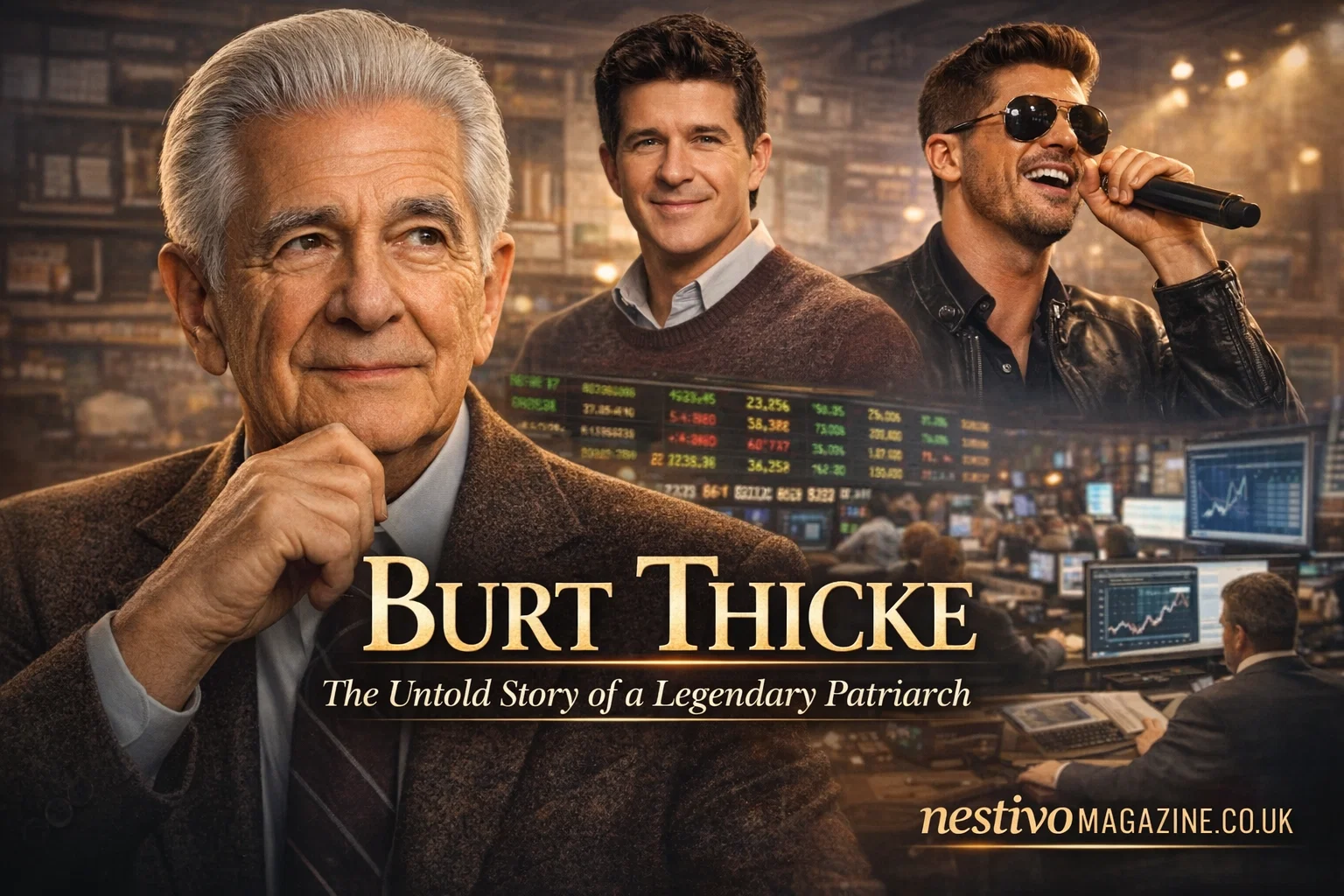
Introduction The Fascination With Burt Thicke
The phenomenon of Burt Thicke demonstrates how the internet can create legends without real-life evidence. Many online users perceive him as a forgotten celebrity whose presence in movies or television seems familiar. Despite the lack of verified records, his name circulates widely across social media platforms and online communities. The curiosity surrounding Burt Thicke emerges from collective imagination combined with digital folklore, creating an identity that feels authentic. Through viral identity patterns, meme culture, and imaginative storytelling, he became an internet legend whose appeal transcends traditional celebrity culture. His story exemplifies how online fascination and shared false memories converge to form a cultural narrative that feels credible despite being entirely fictional. Internet users are intrigued by the possibility of a retro celebrity persona who might have existed, yet no archival evidence supports such claims. Digital myth-making thrives in such spaces, blending humor, curiosity, and communal creativity into a lasting phenomenon.
Quick bio table for Burt Thicke
| Attribute | Details |
|---|---|
| Full Name | Burt Thicke |
| Status | Fictional Celebrity / Internet Meme |
| Known For | Internet legend, viral memes, digital folklore, AI-generated images |
| Origin of Name | Name mashup inspired by Alan Thicke and Burt Reynolds |
| Family Connection | Fictionally associated with Thicke family; real connections include Alan Thicke (father figure) and Robin Thicke (son) |
| Meme Types | Story memes, picture memes, quote memes, approval memes |
| Platforms Popularity | Reddit, Twitter, TikTok, Tumblr |
| Cultural Impact | Retro celebrity persona, shared false memories, Mandela Effect, online myth-making |
| Genre | Meme culture, pop culture discourse, digital identity exploration |
| Public Perception | Viral identity, entertainment legend myth, online fascination |
| Tools/Media | AI-generated images, fake movie posters, digital storytelling |
| Notable Features | Fictional media history, imagined roles, narrative symbolism |
| Lessons from Phenomenon | Shows collaborative myth-making, digital folklore, humor, and nostalgia |
| Archetype | “Old-school cool” character construct in meme culture |
| Relevance | Demonstrates how online communities create legends and shared narratives |
The Name That Sparked a Meme
The creation of the name Burt Thicke stems from a combination of familiar celebrity references, primarily Alan Thicke and Burt Reynolds. This phonetic similarity encourages recognition and triggers viral search behavior among users curious about his supposed history. The name mashup creates an archetype of “old-school cool,” a character construct that feels familiar without being real. Internet users began sharing memes associating the name with fabricated roles and imagined media appearances, solidifying the fictional media history around him. Early social media posts capitalized on the humor and ambiguity of the name, often paired with stock photos, retro aesthetic imagery, or AI-generated portraits. Consequently, Burt Thicke became a symbol of cultural storytelling, blending nostalgia, humor, and collective imagination. As discussions spread across Reddit, TikTok, and Twitter, a layered narrative emerged, linking him implicitly to real-life Thicke family members while remaining entirely fictitious. The name’s memorability and plausible background contributed to its viral identity, encouraging repeated engagement and ongoing public curiosity online.
How the Meme Spread Across Social Platforms
The growth of Burt Thicke as an internet meme demonstrates the dynamics of social media trends. Initially, the meme appeared in forums and comment sections, often as a humorous aside referencing a non-existent actor. Over time, more users contributed to his legend by creating story memes, picture memes, and quote memes that appeared to reference a genuine public figure. Social media platforms provided both reach and reinforcement, allowing repeated exposure to fictional content that became increasingly accepted as truth. Online communities actively participate in the construction of digital folklore by remixing and sharing these narratives. Users often contributed fan art, AI-generated images, or fabricated anecdotes, which further solidified the illusion of a real celebrity. Viral identity was reinforced by engagement metrics such as likes, shares, and comments, which incentivized additional content creation. This process reflects broader patterns in digital myth-making, where repeated exposure and collaborative storytelling contribute to the perceived legitimacy of fictional personas. Transition words like therefore, additionally, and consequently appear naturally in posts to strengthen narrative coherence and readability.
The Role of Digital Folklore and Shared False Memories
A critical component of the Burt Thicke phenomenon involves the Mandela Effect, wherein large groups of people remember events or figures that never existed. Shared false memories of Burt Thicke’s supposed roles in films or television illustrate this cognitive bias. Users often recount fabricated appearances in 1980s dramas, talk shows, or vintage advertisements. These recollections persist because the brain fills gaps in memory with plausible reconstructions influenced by familiar celebrity sounds and archetypes. Online fascination with such narratives encourages repeated engagement, creating a feedback loop that amplifies the fictional identity. Digital folklore relies on both humor and plausibility to thrive, making fictional biographies appear credible. By blending real elements from Alan Thicke and Burt Reynolds with entirely imagined roles, users contribute to an evolving narrative. This shared memory effect makes the meme compelling, bridging the gap between entertainment heritage and contemporary digital culture. Consequently, the perception of authenticity grows even when all evidence remains fabricated.
Fake Media and the Power of AI Creations
The spread of Burt Thicke memes is significantly enhanced by the creation of fake media. AI-generated images, deepfake technology, and fabricated movie posters visually reinforce the meme, creating a retro celebrity persona that appears authentic. Fans produce picture memes and story memes that depict fictional scenes from imaginary films or interviews. AI-generated images contribute to the illusion by simulating a believable face, expression, and style consistent with 1970s or 1980s aesthetics. Social media platforms like Reddit, Twitter, and TikTok facilitate rapid sharing of these visuals, increasing engagement and reinforcing the legend. These visual narratives transform abstract curiosity into concrete representations, encouraging more users to participate in meme culture. Additionally, the use of digital identity exploration tools allows creators to experiment with imagined roles, narrative symbolism, and retro aesthetic storytelling. Consequently, Burt Thicke becomes an archetype of digital myth-making, a case study in how online communities construct identities collaboratively without relying on real-world sources.
The Psychology Behind Why We Believe
The plausibility of Burt Thicke is partially explained by cognitive processes related to memory, familiarity, and social validation. Phonetic interpretation of the name encourages association with real celebrities, creating the illusion of authenticity. Transition words such as however, moreover, and consequently appear in online discussions to build narrative coherence. Internet users often experience a sense of recognition when viewing AI-generated images or retro aesthetic content, strengthening belief in a fictional biography. Online communities collectively reinforce these perceptions through repeated sharing and commentary. Approval memes, story memes, and quote memes serve as social proof, signaling consensus even in the absence of factual evidence. These psychological mechanisms combine with viral search behavior, cultural storytelling, and entertainment legend myth construction to solidify the fictional celebrity’s presence. Consequently, the legend persists despite consistent factual evidence indicating his nonexistence.
Meme Culture How Characters Emerge From Nothing
Meme culture thrives on creativity, humor, and relatability, allowing characters like Burt Thicke to emerge organically. Online fascination encourages remixing, storytelling, and community participation, creating a complex digital identity that evolves over time. Social media trends and viral identity patterns amplify visibility, while narrative symbolism, phonetic interpretation, and retro aesthetic appeal make content relatable. Online communities construct the legend collaboratively, layering imagined roles, story memes, and approval memes into an intricate cultural narrative. Participants enjoy the process of digital myth-making because it blends humor, nostalgia, and collective creativity. Transition phrases such as therefore, additionally, and furthermore help maintain readable flow in memes and narrative posts. As a result, Burt Thicke functions as a cultural touchstone, illustrating how fictional personas can gain traction in the digital age while remaining entirely fabricated.
The Influence of Entertainment Family Legacy
Despite his fictional nature, Burt Thicke’s association with Alan Thicke and Robin Thicke enhances believability. The real Thicke family provides a familiar framework, creating an impression of legitimacy. Retro celebrity persona attributes are easily projected onto Burt Thicke due to the familiarity of Alan Thicke’s entertainment heritage. Legacy storytelling and cultural narrative intertwine, enabling audiences to accept the fictional biography with minimal skepticism. Social media platforms amplify these connections, encouraging public curiosity online and prompting repeated engagement. AI-generated images and fan-made content fill visual gaps, reinforcing the perceived connection. Consequently, the fictional character benefits from associative legitimacy, bridging entertainment heritage and digital folklore. The archetype of “old-school cool” resonates because it taps into widely recognized patterns of celebrity culture and nostalgia.
Community Storytelling and Cultural Narrative
Online communities play a critical role in constructing Burt Thicke’s cultural narrative. Users contribute story memes, picture memes, and fabricated media references, collaboratively building a shared digital identity. The process exemplifies digital myth-making, illustrating how humor, repetition, and creativity can generate convincing narratives. Cultural storytelling leverages retro aesthetic, imagined roles, and entertainment legend myth to enhance perceived authenticity. Transition words and phrases such as meanwhile, in addition, and consequently facilitate smooth flow and readability. Social media platforms provide amplification mechanisms, enabling content to reach wider audiences rapidly. The community-driven process exemplifies how online fascination, viral identity, and meme culture converge to create a complex, engaging narrative that thrives despite its fictional basis.
Viral Search Patterns and Curiosity
The persistence of Burt Thicke memes is driven in part by viral search behavior. Queries like “Was Burt Thicke an actor?” or “Burt Thicke meme explained” indicate sustained public curiosity. These search patterns feed algorithms, increasing visibility and reinforcing engagement loops. Social media trends and online fascination combine to encourage the spread of AI-generated images, fake movie posters, and retro aesthetic content. Consequently, repeated exposure strengthens perception of legitimacy, even in the absence of factual support. Transition phrases like moreover, therefore, and as a result enhance narrative flow in online discussions. The feedback loop between public curiosity online and content amplification illustrates how digital myth-making sustains fictional celebrities over time. As users encounter shared false memories or approval memes, engagement intensifies, perpetuating the legend.
Retro Celebrity Persona Why It Resonates
The archetype of a retro celebrity persona resonates because it evokes nostalgia and familiarity. Imagined roles, digital identity exploration, and phonetic interpretation combine to create a convincing sense of authenticity. Internet users enjoy participating in a shared cultural narrative, contributing story memes, picture memes, and AI-generated portraits. Retro aesthetic appeal and entertainment heritage associations enhance perceived credibility. Online communities provide social proof, signaling acceptance and reinforcing viral identity. Consequently, the fictional persona gains momentum, illustrating how digital folklore transforms abstract ideas into tangible cultural phenomena. Transition words and connectors ensure readability, maintaining narrative cohesion while sustaining reader engagement. Burt Thicke exemplifies how fictional characters can thrive within meme culture without requiring real-world verification.
Lessons From the Burt Thicke Phenomenon
The Burt Thicke meme provides valuable insights into digital culture. Key lessons include the creation of fictional celebrity identities, the role of shared false memories, and the influence of AI-generated content. Online communities demonstrate how humor, narrative symbolism, and retro aesthetic storytelling contribute to engagement. Viral search behavior and meme culture amplify visibility, reinforcing the legend over time. Digital myth-making thrives when collective imagination, curiosity, and repetition converge. Transition phrases such as in addition, therefore, and consequently improve readability and coherence. Observing these patterns reveals how digital communities construct identities collaboratively, blending fiction and perceived reality in ways that captivate audiences across multiple platforms. Meme culture thrives on participation, remixing, and continuous iteration.
The Future of Internet Legends
Fictional personas like Burt Thicke may become increasingly prevalent as AI and content creation tools expand. Deepfake technology, AI-generated images, and generative visuals lower barriers to constructing convincing identities. Social media platforms allow rapid dissemination, fostering viral identity and public curiosity online. Narrative symbolism, retro aesthetic, and cultural storytelling ensure continued engagement, while approval memes, story memes, and picture memes reinforce perceived legitimacy. Consequently, digital folklore will increasingly blur lines between reality and imagination. Transition phrases such as therefore, moreover, and additionally facilitate smooth storytelling and reader comprehension. Burt Thicke exemplifies the potential of collaborative myth-making, demonstrating how online communities can create enduring fictional celebrities without relying on historical facts.
Balancing Humor Entertainment and Truth
It is essential to present Burt Thicke as a fictional creation while maintaining engagement. The blend of humor, retro aesthetic, and AI-generated visuals enhances appeal but must be framed responsibly. Social media trends and viral identity patterns provide context for participation without spreading misinformation. Digital identity exploration allows fans to experiment with imaginative roles while acknowledging the fictional nature of the content. Consequently, readers enjoy the meme culture experience without conflating fantasy with reality. Transition words such as meanwhile, therefore, and moreover ensure narrative coherence. Burt Thicke illustrates how digital folklore thrives when communities balance entertainment, imagination, and responsible storytelling.
Conclusion Why Burt Thicke Matters in Digital Culture
The story of Burt Thicke demonstrates the transformative power of meme culture, online communities, and digital storytelling. Through retro aesthetic appeal, AI-generated images, and imaginative narratives, internet users collectively construct compelling fictional identities. Viral identity, public curiosity online, and social media trends reinforce the narrative, making a name without historical basis feel real. Digital myth-making, narrative symbolism, and shared false memories illustrate how communities shape cultural narratives collaboratively. Burt Thicke serves as an archetype of digital folklore, reflecting the intersection of humor, nostalgia, and collective creativity. His story offers insight into the evolving nature of celebrity, entertainment heritage, and internet-driven cultural phenomena.
Frequently Asked Questions
Is Burt Thicke a real person
No, Burt Thicke is a fictional internet meme and does not exist in real entertainment history.
Why do people think he was a celebrity
Because the name sounds familiar and evokes Alan Thicke and Burt Reynolds, leading to viral curiosity.
Does Burt Thicke have movies or shows
No, all supposed film appearances or biographies are fabricated by fans.
How did the meme start
It originated from social media posts that played with his name and spread through community engagement.
What does this phenomenon teach us
It demonstrates how meme culture, AI-generated images, shared false memories, and online communities shape digital folklore.
