
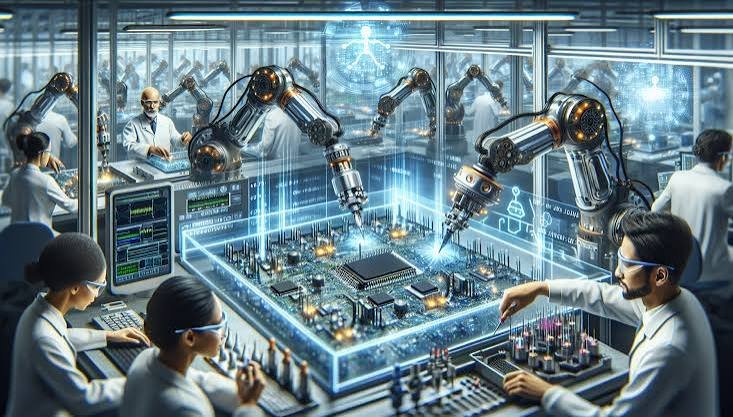
As technology evolves, the integration of artificial intelligence (AI) into various industries has become essential for operational efficiency. This comprehensive guide details how to implement AI in electronics manufacturing, providing clear steps and insights that will enable your organization to enhance productivity, reduce costs, and improve quality. If you’re keen on understanding how to implement AI in electronics manufacturing, you’re in the right place.
In the following sections, we will break down the process into manageable steps, addressing common pain points and questions that arise when considering AI adoption. By the end of this article, you’ll possess the knowledge necessary to embark on your AI journey in electronics manufacturing successfully.
Understanding the Need for AI in Electronics Manufacturing
Before delving into the implementation process, it’s crucial to understand why AI is becoming a game-changer in the electronics manufacturing sector. The industry is faced with challenges such as:
- Increased complexity of products
- The need for precision and accuracy
- Supply chain disruptions
- Rising labor costs
AI technologies offer solutions to these challenges by optimizing various aspects of the manufacturing process.
Benefits of AI in Electronics Manufacturing
Implementing AI can lead to numerous benefits:
- Predictive Maintenance: AI algorithms can predict equipment failures, minimizing downtime and repair costs.
- Quality Control: AI-based visual inspection systems can identify defects faster and more accurately than human inspectors.
- Supply Chain Management: AI can analyze data from various sources to forecast demand and optimize inventory levels.
- Process Automation: Automating repetitive tasks can free up human workers for more complex duties, increasing overall productivity.
These benefits highlight why electronics manufacturers should consider how to implement AI in electronics manufacturing.
Step 1: Identify Areas for AI Implementation
The first step in how to implement AI in electronics manufacturing is to identify which areas of your manufacturing process could benefit the most from AI. Here are potential focus areas:
- Production Planning: AI can optimize schedules and workflows.
- Quality Assurance: Implement AI for real-time monitoring of product quality.
- Supply Chain Optimization: Enhance logistics efficiency and predict disruptions.
- Predictive Maintenance: Reduce unexpected machinery breakdowns.
Conducting a thorough analysis of your production line will help you pinpoint the most suitable applications for AI.
Step 2: Assess Readiness and Infrastructure
Before implementing AI, evaluate your current infrastructure and determine if it supports AI technologies. Key aspects to consider include:
- Data Collection: AI needs substantial data for training. Ensure that your manufacturing processes have robust data collection methods in place.
- Hardware Capabilities: Assess if your existing machinery can support AI integration or if upgrades are necessary.
- Skills Gap: Evaluate your current team’s capabilities. You may need to invest in training or hire experts in AI technologies.
Having a solid foundation will make the implementation process smoother.
Step 3: Develop a Strategy
Creating a well-defined strategy is essential for successful AI implementation. Here’s how to proceed:
- Set Clear Objectives: Outline specific goals such as improving production efficiency by 20% or reducing defect rates.
- Choose the Right AI Tools: There are various AI tools available, such as machine learning platforms, data analytics software, and robotics. Select the tools that best match your identified goals.
- Pilot Testing: Before a full-scale rollout, conduct a pilot test in a specific area. This can help you iron out any issues and refine your approach.
Having a clear strategy will enhance your chances of success and return on investment.
Step 4: Data Preparation
Data is the backbone of AI systems. Prepare your data by following these steps:
- Data Cleaning: Remove any errors or discrepancies.
- Data Integration: Combine data from different sources for a comprehensive dataset.
- Feature Engineering: Identify which features are most relevant for your AI models.
The quality of your data directly impacts the performance of AI algorithms, making this step crucial in how to implement AI in electronics manufacturing.
Step 5: AI Model Development
At this stage, you will develop AI models based on your prepared data. Considerations include:
- Choosing Algorithms: Depending on your objectives, choose appropriate algorithms (e.g., supervised learning for classification tasks).
- Training: Use historical data to train your models, optimizing them for accuracy and performance.
- Validation: Validate your models through testing with unseen data to ensure reliability.
This step is where your AI systems begin taking shape.
Step 6: Integration into Manufacturing Processes
Once you’ve developed your AI models, the next step is to integrate them into your manufacturing processes:
- Collaboration with IT: Work closely with your IT department to deploy AI systems effectively.
- User-Friendly Interfaces: Ensure that the systems are easy for your manufacturing staff to use. This may involve software with dashboards that visualize data insights.
- Change Management: Prepare your team for changes in workflows and job roles. Proper training and communication are vital.
This is the practical aspect of how to implement AI in electronics manufacturing, as it involves actual changes to how tasks are performed on the floor.
Step 7: Monitor Performance and Iterate
After implementation, continuously monitor your AI systems for effectiveness. Key activities include:
- Performance Metrics: Regularly analyze KPIs that align with your initial objectives (e.g., defect rates, production speeds).
- Feedback Loops: Gather input from staff working with AI systems to identify areas for improvement.
- Regular Updates: AI systems should not remain static; regular updates based on new data will improve performance.
This iterative process will help you derive maximum value from your AI system over time.
Step 8: Evaluate and Scale
Once you achieve success in your pilot areas, consider scaling AI applications across other departments. This may involve:
- Cross-Department Integration: Implementing AI in other relevant areas, such as supply chain or customer service.
- Stakeholder Engagement: Engage with stakeholders to communicate successes and lessons learned, creating buy-in for broader integration.
By evaluating and scaling, you make your organization more agile and efficient.
Frequently Asked Questions
What is the 30% rule in AI?
The 30% rule in AI refers to the guideline suggesting that for successful machine learning applications, at least 30% of a task should be performed by AI, allowing human operators to focus on more complex or nuanced tasks. This balance helps maintain productivity while leveraging AI.
How to integrate AI into manufacturing?
To integrate AI into manufacturing, identify specific challenges, assess your infrastructure readiness, develop a clear strategy, prepare your data, create AI models, and finally implement and monitor these models within your existing processes.
How is AI used in electronics?
AI is utilized in electronics for various applications, such as predictive maintenance, quality control, logistics optimization, and process automation. These applications help improve efficiency, quality, and cost-effectiveness in manufacturing.
Is there any AI for electronics?
Yes, there are various AI solutions designed for the electronics sector, including machine vision systems for quality control, predictive analytics tools for supply chain optimization, and robotics systems that employ AI for assembly tasks.
Conclusion
Implementing AI in electronics manufacturing is a transformative process that can lead to significant improvements in efficiency, quality, and cost savings. By following this step-by-step guide, you can navigate the complexities of integration, ensuring that you derive maximum benefits from your AI investments. Remember that consistent monitoring and adaptability are key to success, making it essential to remain committed to evolving your practices. With these insights on how to implement AI in electronics manufacturing, you are now equipped to start your journey toward a smarter manufacturing future.
