
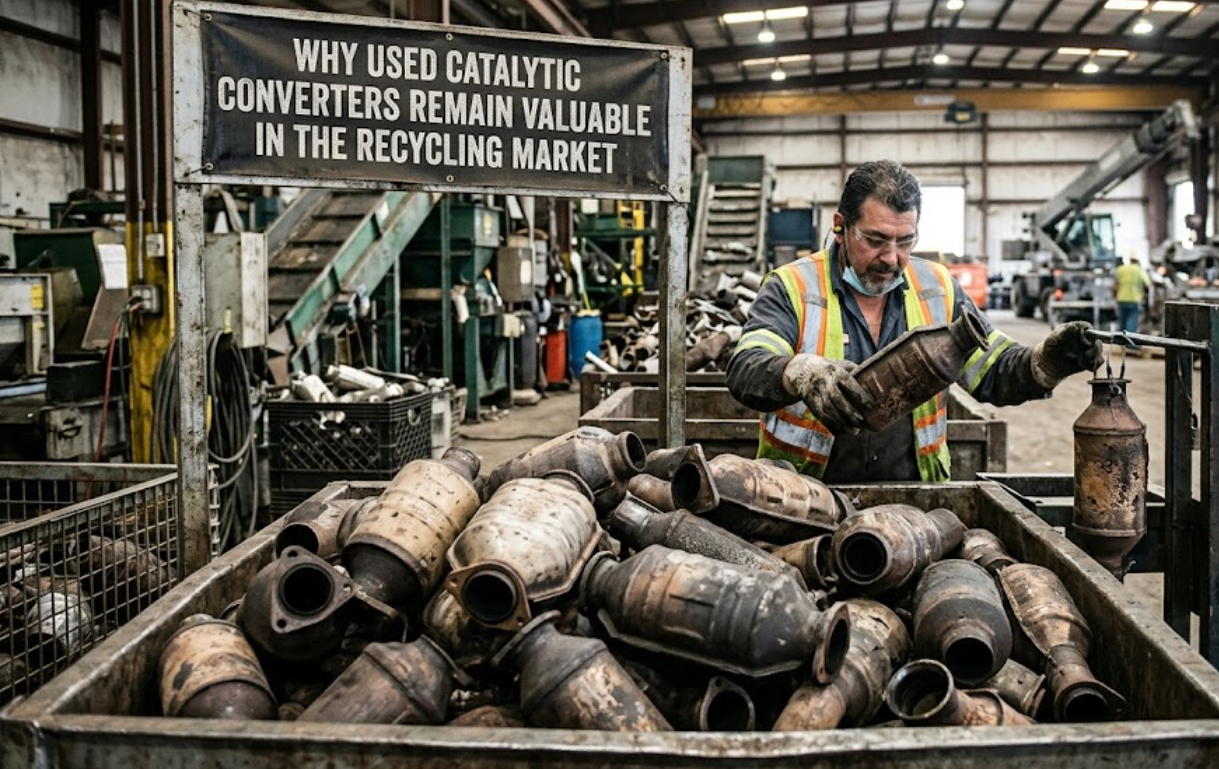
Many car owners assume that once a catalytic converter has reached the end of its service life, it has little or no value. In reality, the opposite is true. Even after years of use, catalytic converters remain one of the most valuable components of an end-of-life vehicle because of the precious metals they contain. This is why demand for them continues to grow in the recycling industry.
The market for used catalytic converters has expanded significantly over the past decade. Recycling companies actively purchase them because they contain platinum, palladium, and rhodium—three rare metals that are essential in automotive manufacturing and many industrial applications. These metals can be recovered, refined, and reused, reducing the need for new mining operations and helping manufacturers secure a stable supply of critical materials.
Precious Metals Never Lose Their Importance
Unlike many vehicle parts that wear out completely, the metals inside a catalytic converter retain their value. Although the converter itself may no longer function as intended, the platinum group metals can still be extracted through specialized refining processes.
Since these metals are relatively scarce and expensive to mine, recycled materials have become an increasingly important source for manufacturers around the world.
Growing Demand Drives Value
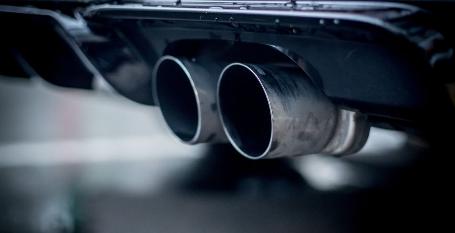
Environmental regulations continue to become stricter in many countries, leading to ongoing demand for catalytic converters in new vehicles. At the same time, global production of precious metals remains limited. This combination has made recycling an essential part of the automotive supply chain.
As demand increases, recycling companies continue investing in technologies that improve metal recovery rates, making used converters even more valuable than they were in the past.
Recycling Benefits Everyone
The value of used catalytic converters extends beyond the recycling industry. Vehicle owners can earn money from parts they might otherwise throw away, while dismantlers and scrap yards recover additional revenue from end-of-life vehicles.
Manufacturers also benefit by purchasing recycled metals, which often require significantly less energy to produce than newly mined materials. This helps lower production costs and reduces the environmental impact of manufacturing.
Supporting a More Sustainable Future
Every catalytic converter that is properly recycled helps conserve natural resources and reduces the need for environmentally intensive mining. Recovering precious metals also lowers energy consumption and greenhouse gas emissions compared with extracting raw materials from the earth.
Conclusion
Used catalytic converters continue to hold significant value because they contain rare materials that remain in high demand across multiple industries. As recycling technologies improve and sustainability becomes a greater priority, these components will remain an important source of recoverable resources. Rather than viewing an old catalytic converter as waste, it’s better to see it as a valuable asset that supports both the economy and the environment.
