
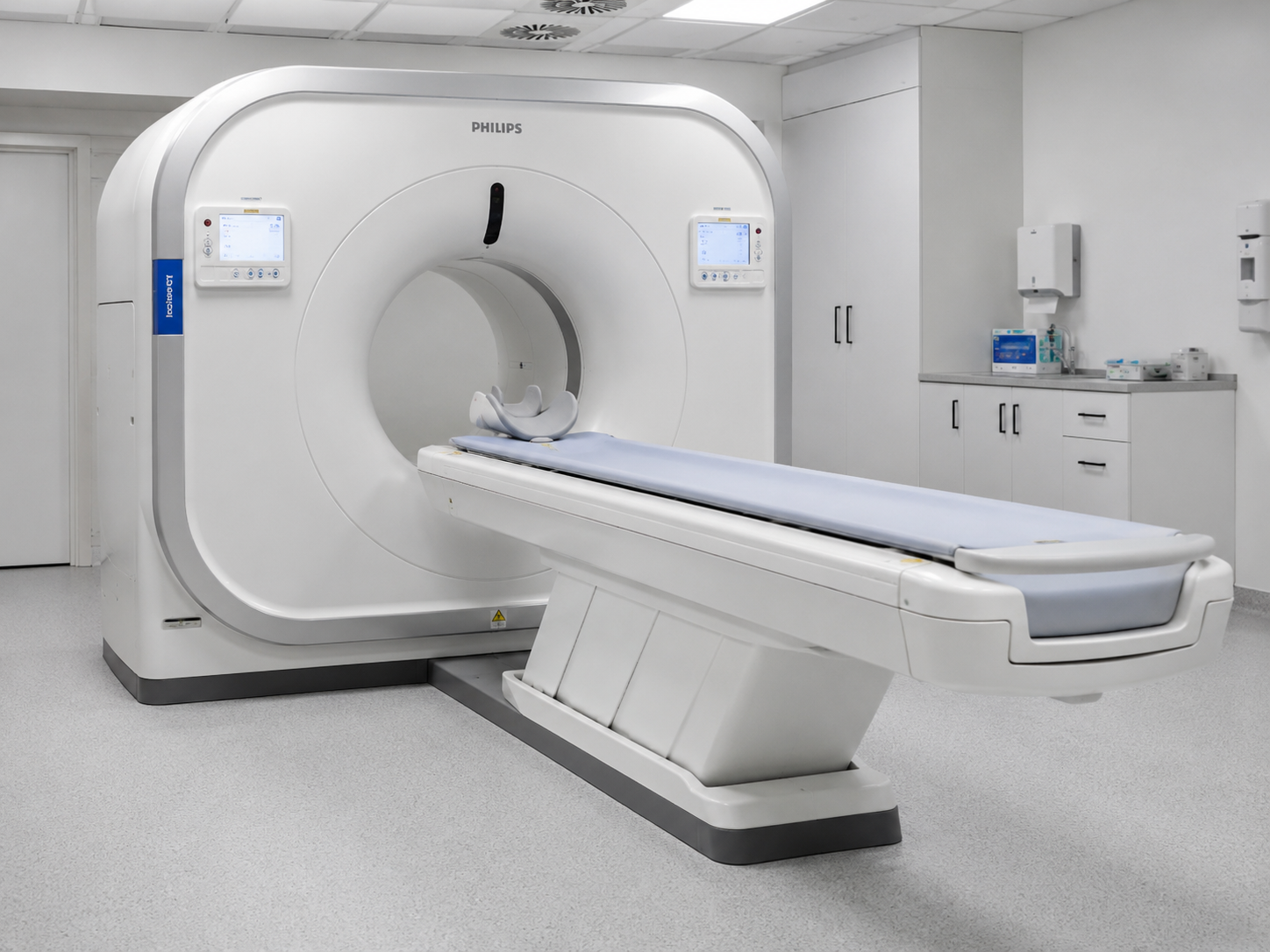
You have had your MRI, the images are ready, and now a folder full of grayscale pictures sits on your screen. It looks important, yet it does not explain itself. Feeling a little unsure at this point is completely normal, and it does not mean anything is wrong. This is simply the moment where a written report becomes the piece that turns raw imaging into something you can actually understand and use.
What the report really is
An MRI produces hundreds of detailed cross sections of soft tissue, the brain, organs and joints. On their own, those images are data, not answers. A report is the written translation of that data, prepared by a radiologist who reviews each sequence, compares it with normal anatomy and describes what stands out. It records what was examined, what looks typical, and whether anything deserves a closer look. In short, it turns pictures into a clear, structured medical document that you and your doctor can follow.
Common findings and what they can mean
Report wording can sound technical, so a few terms are worth knowing. Phrases like “unremarkable” or “no significant abnormality” are reassuring: the scanned area looks as expected. Descriptions such as degenerative change, disc bulge, effusion or a small lesion simply point to something the radiologist noticed, often mild and very common with age or ordinary wear. A finding is not the same as a diagnosis. It is an observation that gains real meaning only when read alongside your symptoms and history, which is why context matters far more than any single word on the page. The same term can be entirely harmless in one person and worth following up in another, and only a specialist can tell the difference for you.
Why professional reading beats guessing
It is tempting to type a phrase from your results into a search bar, but that usually adds worry rather than clarity. General sources cannot see your images, weigh their severity or connect them to your situation. A trained radiologist can. Choosing a professional service such as the online MRI scan report from Eurodiagnosis means your scan is assessed by a certified specialist, with findings explained in plain, organised language and confirmed by an electronic signature. You gain understanding without the guesswork, quickly and securely.
What comes next
A good report is a starting point, not the final word. Once you know what your images show, you are far better prepared for the next step: a calm, informed conversation with your doctor. The report becomes a reference for treatment choices, follow-up scans, or simply reassurance that everything looks fine. It also makes it easy to compare new images with older ones, so any change over time can be tracked and discussed with confidence. Walking into an appointment already knowing what your scan describes means your time with the specialist can focus on solutions rather than deciphering the paperwork.
The takeaway
An MRI scan report is the bridge between complex imaging and confident decisions about your health. Rather than decoding it alone, let qualified radiologists explain what your scan reveals and, just as importantly, what it does not. With a clear, signed report in hand, you can move forward with less uncertainty and a genuine sense of direction.
