
A few years ago, being a solo creator often meant making tradeoffs.
Creating content used to involve too many separate steps. Writing, visuals, editing, design, and video production all required different tools and different skills. That process became difficult to sustain.
AI is changing that. Today, more creators are moving from text and images into video without building full production systems. The workflow feels very different now.
That shift is changing how solo creators work in 2026.
Why Content Creation Used to Be Hard for Solo Creators
Creating content alone has always involved limitations.
When one person handles strategy, writing, visuals, editing, publishing, and distribution, every new format adds more work. Video was especially difficult because production required more than just ideas.
For many creators, video felt like a separate job entirely. Even after finishing a project, the cycle immediately started again. New content was always needed. Over time, scaling became difficult.
Not because creators lacked creativity. It’s because the workflow itself created bottlenecks.
How AI Changed the Creator Workflow
One of the biggest changes AI introduced is that content creation no longer starts with equipment. It starts with ideas.
Instead of asking, “How do I produce this?” creators increasingly ask, “How do I want this to look?”
That shift sounds small, but it changes the entire process.
Text, images, and videos no longer feel like completely separate content types. They are becoming connected pieces inside one workflow.
A script can become a visual concept. An image can become a moving scene. One idea can expand into multiple formats.
AI also removed many technical barriers that used to slow creators down.
You no longer need advanced editing knowledge before testing an idea. For solo creators, that matters. Because speed creates opportunities.
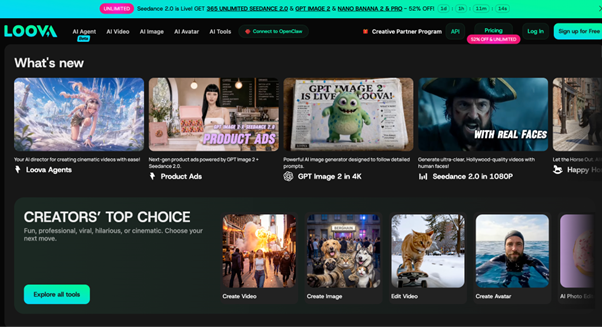
Platforms like Loova make instant content creation turn into reality.
Loova is not just a single AI video generator. It is a full creation platform that combines multiple AI video and image models in one place.
How Solo Creators Turn Ideas Into Videos Today
The workflow itself looks very different now.
Most creators I know are not sitting down and producing one giant video project at a time. Instead, they work through smaller stages and create content in pieces.
This process usually feels faster and easier to repeat.
Step 1: Start With a Simple Text Idea
Most content still begins with words. Sometimes it starts as a social post, and sometimes it begins with a quick script, a content hook, or a simple observation.
Ideas do not need to be complicated. Examples might look like:
- “Three mistakes new creators make”
- “What I learned after testing AI for 30 days”
- “The content habit that changed my workflow”
Simple ideas create momentum. Large ideas often create friction.
Step 2: Create Visual References First
Before moving directly into video generation, many creators now create visual direction first.
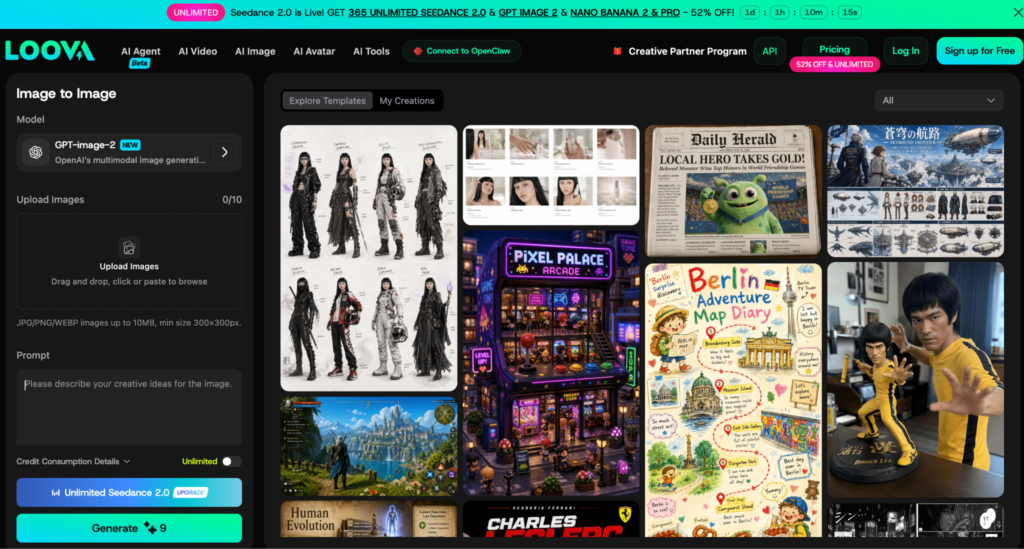
Instead of immediately creating moving scenes, visuals help establish mood, style, and environments. Testing visuals early often creates stronger consistency later. This is where an AI image generator becomes useful.
Step 3: Turn Visual Concepts Into Video
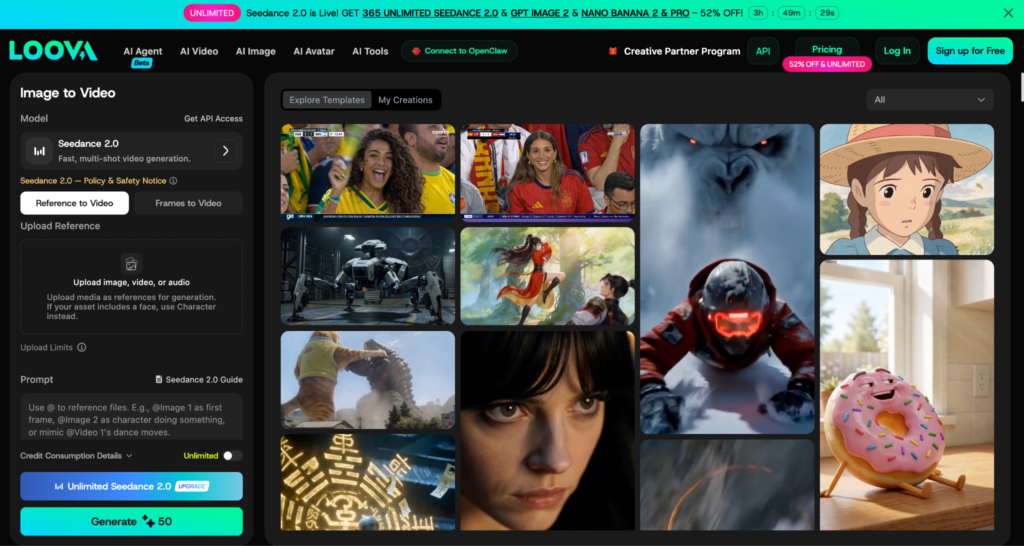
Once visual direction feels clear, video generation becomes much easier. This is where an AI video generator becomes part of the workflow.
Rather than creating one large output immediately, many creators generate shorter clips and test multiple versions.
That often includes:
- different scene directions
- alternate pacing
- multiple opening hooks
- visual variations
The goal usually is not perfection, but finding stronger options. More options create more opportunities to improve content.
Step 4: Refine and Publish
This step used to take the most time. Now the process often focuses on smaller improvements:
- subtitles
- timing
- scene order
- pacing adjustments
I think many creators eventually realize something important here.
Publishing creates feedback. Feedback creates learning. And learning improves future content much faster than endless revisions.
Why Solo Creators Are Producing More Content With Smaller Teams
One interesting thing happening in creator workflows is that output is increasing even when team size stays the same.
That sounds strange at first. But AI changes where time gets spent.
Instead of spending hours handling technical production tasks, creators spend more time generating ideas, testing concepts, and refining content strategy.
That shift creates several advantages.
First, faster testing creates better feedback loops. Creators can learn what works sooner.
Second, one person can realistically manage more output than before.
And third, systems start replacing manual processes.
Many creators are no longer building giant production workflows. They are building repeatable content systems.
What AI Still Cannot Replace
Despite all these changes, AI still does not replace everything.
Creative judgment, storytelling, understanding people… They all still matter.
AI can help execute ideas quickly, but deciding which ideas deserve attention remains a human decision.
I also think creators sometimes overestimate automation.
AI helps produce content. But strategy still drives outcomes.
The creators producing strong work are usually not relying entirely on tools. They are combining tools with clear direction.
Common Mistakes Solo Creators Make With AI
After watching many creators experiment with AI workflows, a few patterns appear repeatedly.
One common mistake is using too many tools at once. People often think adding more systems creates better workflows. Instead, complexity starts slowing everything down.
Another mistake is chasing trends without context. Just because a format performs well for someone else does not mean it fits your audience or content goals.
I also see creators spending too much time trying to perfect individual videos.
That approach usually limits experimentation.
And finally, many people ignore visual consistency. If every video looks completely different, content starts feeling disconnected. Consistency builds familiarity, and familiarity helps audiences recognize your work over time.
The Future of AI Content Creation for Solo Creators
I do not think the biggest change ahead is more powerful AI.
I think the biggest change is simpler workflows.
Creators are already moving toward systems that remove unnecessary production steps. Over time, content creation will likely feel more connected and less fragmented.
Instead of thinking about separate tools, creators will think about processes.
Start with an idea, create visuals, build scenes, publish, learn, and finally repeat.
That cycle keeps getting faster. And for solo creators, speed matters because speed creates room for experimentation.
Final Thoughts
AI did not suddenly make creators more creative. What it did was remove many of the barriers between ideas and execution.
For solo creators, that changes the game.
You no longer need large teams or complicated production setups just to experiment with video. You can start with a thought, build visual direction, test formats, and create content much faster than before.
The creators gaining the most from AI right now are not necessarily the most technical.
They are usually the people building simple systems and showing up consistently.
Because in the end, ideas still matter.
AI just helps them move faster.
FAQs
How are solo creators using AI?
Many solo creators use AI for content ideation, visual generation, video creation, and workflow automation. AI helps reduce production effort and increase content output.
Can AI turn images into videos?
Yes. Many workflows now use image to video generation, where visuals become animated scenes or video references.
What is the difference between text to video and image to video?
Text to video creates scenes from written prompts. Image to video starts with existing visuals and builds movement around them.
Do solo creators still need editing skills?
Basic editing still helps, but AI significantly reduces technical complexity compared with traditional workflows.
What AI tools help creators most?
Creators often rely on tools for image generation, video creation, script development, and content workflows.
Can one person create content consistently with AI?
Yes. Many solo creators now produce much larger content volumes by using repeatable AI workflows.
Does AI replace creativity?
No. AI speeds up execution, but ideas, storytelling, and creative judgment still come from creators.
