
Cryogenic technologies have become an indispensable part of modern industrial processes. In sectors where extremely low temperatures are required, these techniques offer a reliable and efficient solution. By using liquid gases such as nitrogen and oxygen, processes can be carried out with greater precision, resulting in consistent quality. This makes cryogenic technologies particularly attractive to companies that want to optimize their production while meeting stricter sustainability and safety requirements.
In practice, these technologies are applied across a wide range of industries, such as the food industry, metalworking, chemicals, and energy. Their strength lies primarily in the combination of speed, control, and reliability. Companies that utilize these technologies often see immediate improvements in their processes and end products.
Cryogenic technologies revolve around the use of extremely low temperatures for cooling, preserving, or processing materials. By utilizing liquid gases, temperatures of -150°C or even lower can be achieved. This makes it possible to control processes with great precision, which is essential in environments where even the slightest deviation can affect the final result.
The technology operates on a relatively simple principle: when liquid gases evaporate, they absorb a significant amount of heat from their surroundings. This results in powerful and rapid cooling without the need for complex installations. This makes cryogenic technologies not only effective but also practical for use within existing production lines.
Widely applicable across various industries
One of the greatest advantages of cryogenic technologies is their versatility. The technology is used in various sectors, each with its own specific applications:
- In the food industry for the rapid freezing of products, which helps preserve flavor and texture
- In the metal industry for the high-precision shrinking and assembly of components
- In the chemical sector for controlled reactions at low temperatures
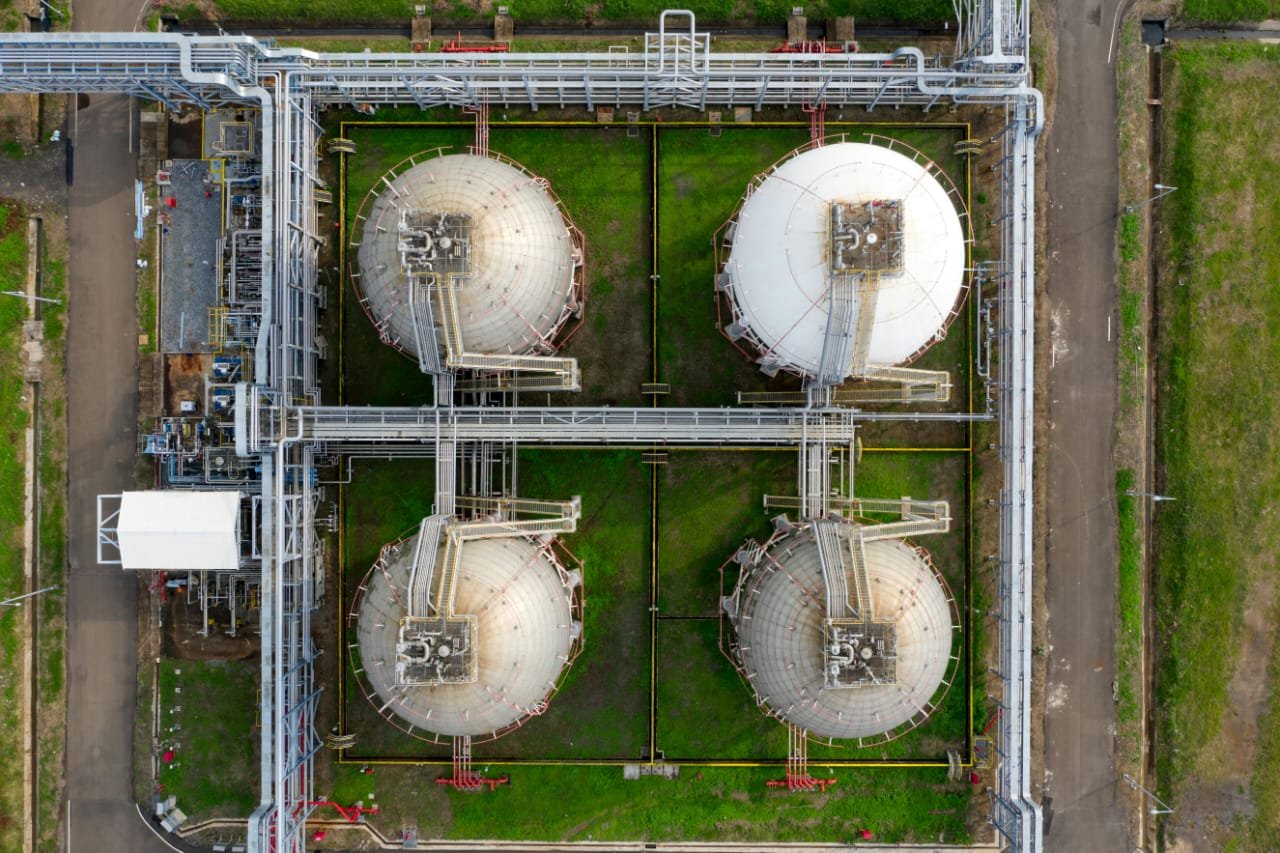
- In the energy sector for the storage and transport of liquid gases
- In medical applications for the preservation of biological material
This wide range of applications makes cryogenic technologies a staple of industrial innovation. Companies are increasingly opting for this approach to accelerate processes and make them more reliable.
Efficiency and Cost Savings
In addition to technical advantages, cryogenic technologies also offer financial benefits. Because the cooling is immediate and powerful, processes run faster. This leads to higher productivity and less downtime. Furthermore, the temperature distribution is often more consistent than with traditional systems, which improves product quality.
Another key factor is energy consumption. Cryogenic technologies leverage the natural properties of gases, reducing the need for heavy mechanical equipment. This translates to less maintenance, less wear and tear, and ultimately lower costs. For companies seeking to become more sustainable while also cutting costs, this is an attractive combination.
Innovation and a forward-looking approach
The development of cryogenic technologies is constantly evolving. Thanks to technological advancements, systems are becoming increasingly smarter and more efficient. Consider automation and real-time monitoring, which allow processes to be continuously adjusted. This not only ensures better performance but also provides greater insight and control.
In addition, these technologies align well with the growing focus on sustainability. Lower energy consumption, less waste, and more efficient processes contribute to a reduced environmental impact. For companies that want to work with a focus on the future, cryogenic technologies are therefore a logical step.
Why invest in cryogenic technologies?
For organizations looking to improve their processes, cryogenic technologies provide a strong foundation. The combination of speed, precision, and reliability makes it possible to produce more efficiently without compromising on quality. At the same time, these technologies help reduce costs and operate more sustainably.
Whether it involves optimizing production, improving product quality, or reducing operational costs, cryogenic technologies offer a solution that grows alongside a company’s ambitions. This makes them relevant not only for today but also for the industry of tomorrow.
