
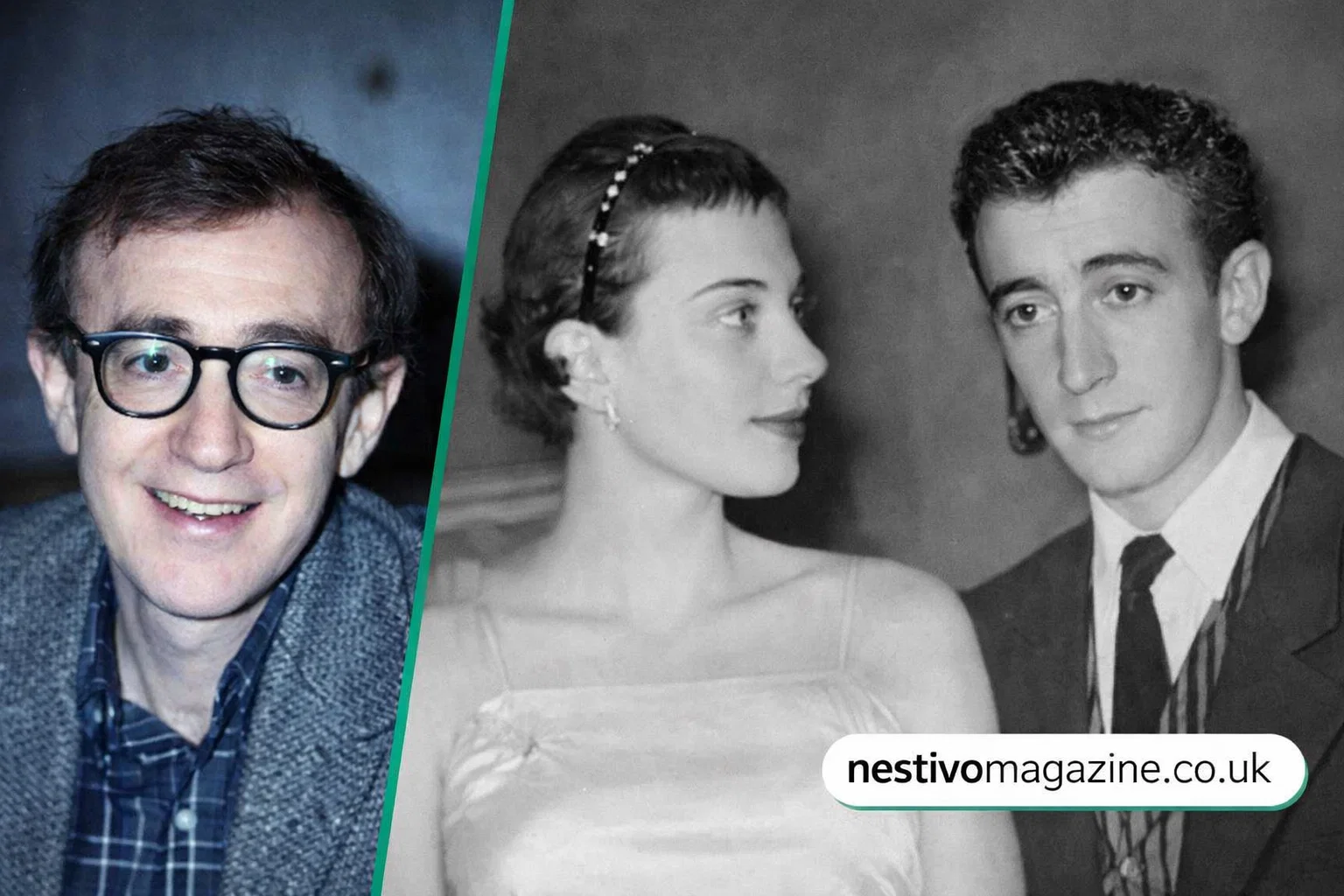
Who is Harlene Rosen?
Harlene Rosen is best known today because of her early marriage to American filmmaker and comedian Woody Allen, and her name continues to appear frequently in searches such as Harlene Rosen age, Harlene Rosen now, and Harlene Susan Rosen. Despite this ongoing curiosity, she has remained a very private individual throughout her life, and only limited public information is available about her personal background. Based on available reports, she was not part of the entertainment industry and lived a quiet life before being connected to one of Hollywood’s most recognizable creative figures.
Many online discussions refer to her as Harlene Rosen Konigsberg, linking her briefly to Allen’s original surname, but this is primarily due to their early marriage rather than any public identity she maintained later. Before her connection with Woody Allen, she lived outside the spotlight, and there are no verified accounts suggesting any involvement in media, acting, or public performance. This private lifestyle is one of the main reasons she remains a figure of curiosity today, especially for readers exploring early Hollywood relationships and the personal history behind famous directors and writers.
Her early life remains largely undocumented, which adds to the mystery surrounding her. According to general biographical references connected to Woody Allen’s early years, she met him when both were very young, during a time when Allen was still developing his voice as a writer and comedian. This period would later become important in shaping public interest in both of their lives, especially as Allen’s career expanded dramatically in the entertainment industry.
Quick Bio
| Category | Details |
|---|---|
| Full Name | Harlene Susan Rosen |
| Known As | Woody Allen’s ex-wife |
| Birth Year | Around 1940 |
| Age (2026) | About 85 years old |
| Birthplace | Brooklyn, New York, USA |
| Nationality | American |
| Ethnicity | Jewish |
| Religion | Judaism |
| Father | Julius Rosen |
| Marital Status | Divorced |
| Ex-Husband | Woody Allen (1956–1962) |
Marriage to Woody Allen and Early Relationship
The story of Harlene Rosen becomes widely discussed because of her marriage to Woody Allen during his early career phase. At that time, Allen was not yet a global filmmaker but was working as a comedy writer and stand-up performer in New York. Their relationship developed during this early stage of his life, a period often referenced in searches like Woody Allen young or Woody Allen biography, when he was still building his identity in entertainment.
Their marriage was relatively short and took place before Allen achieved major fame. Media reports and biographical sources suggest that both were very young when they married, and the relationship existed during a transitional phase in Allen’s personal and professional life. This is often mentioned in discussions about Harlene Rosen Woody Allen, as their marriage represents one of his earliest known relationships before Hollywood success.
During this period, Allen was experimenting with writing comedy material, and his career was beginning to shift toward stand-up performances. Rosen, meanwhile, was not part of the entertainment world, which created a natural difference in their lifestyles. As Allen’s ambitions grew, their personal paths began to move in different directions. This phase of life is often referenced in broader searches such as Woody Allen writer and Woody Allen early career, highlighting how his professional journey was still in its formative years.
How Harlene Rosen Met Woody Allen
The story of how Harlene Rosen met Woody Allen goes back to his early years in New York City, long before he became a globally known filmmaker. According to biographical accounts and historical references, they met during a period when Allen was still a teenager or very young adult, working on developing his skills in comedy writing and performance. At that time, he was not a celebrity yet, but a young aspiring writer trying to find his place in the entertainment world.
Based on available information, their meeting happened in a typical social setting connected to New York’s young creative circles. Allen was already experimenting with humor writing and small comedy work, while Harlene Rosen was living a private life away from the entertainment industry. Their connection was not the result of fame or Hollywood influence, but rather a personal relationship that developed naturally between two young people in the same social environment.
Early Married Life of Harlene Rosen and Woody Allen
The early married life of Harlene Rosen and Woody Allen began during a very different stage of Allen’s life, long before he became one of Hollywood’s most recognized filmmakers. At that time, he was still a young comedy writer trying to build his career in New York, working on jokes, small writing jobs, and early stand-up routines. Their marriage took place when both were very young, and life was still simple, uncertain, and far away from fame or media attention.
According to biographical accounts, their early married years were shaped more by everyday struggles and personal growth than by public life. Allen was focused on developing his voice in comedy, often spending time writing and experimenting with humor styles that would later define his career. Harlene Rosen, on the other hand, came from a private background and was not involved in the entertainment industry, which meant she experienced this early phase of marriage away from the professional spotlight that would later surround Allen.
Divorce, Public Attention, and Media Discussion
The marriage between Harlene Rosen and Woody Allen eventually ended in divorce, marking an important but private turning point in both of their lives. While the separation itself was not unusual for young couples, it later became widely discussed due to Allen’s growing fame and the way he referenced parts of his personal life in comedic material.
According to media coverage and historical commentary, Allen occasionally included references to his early relationships in stand-up routines. These references brought unexpected public attention to Rosen, even though she was not a public figure. This is why search terms like Harlene Rosen Woody Allen and what did Woody Allen do often include discussions about their early marriage rather than current events.
Over time, Rosen chose to step away from public visibility. She did not engage in interviews or public statements, which reinforced her preference for privacy. Many biographies suggest that this separation from the public eye was a conscious decision to maintain a quiet and independent life. Unlike many individuals connected to celebrities, she did not use her association for media exposure, which makes her story different from typical Hollywood narratives.
This period also contributed to her long-term absence from public discussion, even though her name continues to appear in online searches connected to Woody Allen’s biography and early life history.
Life After Divorce – Privacy and Low Public Profile
After her divorce, Harlene Rosen gradually disappeared from public attention, choosing a private and low-profile lifestyle. Unlike many individuals linked to celebrities, she did not pursue media appearances or public storytelling. This decision has made her one of the more mysterious figures associated with early Hollywood relationship history.
Searches such as Harlene Rosen now and Harlene Rosen age reflect ongoing curiosity about her current life, but very little confirmed information is available. Based on available sources, she has maintained a life away from the entertainment industry and has not participated in public discussions about her past marriage.
Her absence from public platforms has created a lasting sense of mystery. However, it also reflects a broader pattern seen in individuals who prefer privacy over fame. In contrast to the global recognition of Woody Allen, Rosen’s life represents the opposite path—quiet, personal, and largely undocumented. This contrast is one of the reasons their story continues to attract attention in biographies and entertainment discussions.
Woody Allen – Early Life and Biography
Woody Allen, born Allen Stewart Konigsberg, is one of the most influential figures in modern cinema. Searches such as Woody Allen biography, Woody Allen age, and how old is Woody Allen reflect ongoing global interest in his life and career. Born in New York City, he grew up in a Jewish family environment, which later influenced many of his comedic and storytelling themes, often referenced in searches like Woody Allen Jewish.
From a young age, Allen showed interest in writing jokes and creating humorous content. His early career began in television writing, where he contributed jokes and scripts for performers. This stage of his life is often highlighted in Woody Allen writer searches, as it marks the beginning of his professional identity.
His transition from writer to performer happened gradually, as he developed a unique stand-up comedy style that combined intellectual humor with personal storytelling. This period laid the foundation for his later success in filmmaking and helped shape his reputation as a distinctive voice in American entertainment.
Rise of Woody Allen in Film Industry
The rise of Woody Allen in the film industry marked a major transformation in his career. After establishing himself in comedy, he moved into filmmaking, where he developed a signature style focused on dialogue-driven storytelling, emotional complexity, and urban settings—especially New York City.
His early films reflected his comedic background but quickly evolved into deeper narratives exploring relationships and human psychology. This transition is often discussed in searches like Woody Allen movies, Woody Allen filmography, and films directed by Woody Allen. His ability to blend humor with emotional realism helped him stand out as an auteur filmmaker.
As his career progressed, Allen became known for writing and directing most of his films, maintaining creative control over his work. This approach contributed to his reputation as one of the most consistent filmmakers of his generation.
Major Films, Filmography, and Career Highlights
Woody Allen’s filmography is extensive and includes some of the most well-known films in modern cinema. Searches such as Woody Allen movies list, best Woody Allen movies, and top Woody Allen films reflect the popularity of his work.
Some of his most notable films include:
- Annie Hall
- Manhattan
- Love and Death
- Bananas
- Take the Money and Run
- Sleeper
- Small Time Crooks
- The Curse of the Jade Scorpion
- Midnight in Paris
- Match Point
Films like Annie Hall and Manhattan are especially significant because they helped define modern romantic comedy. Midnight in Paris later brought him renewed global recognition and introduced his work to a new generation of viewers.
His films often feature recurring actors, including Diane Keaton and Scarlett Johansson, leading to searches like Diane Keaton Woody Allen and Scarlett Johansson Woody Allen. These collaborations became an important part of his creative identity.
Personal Life, Relationships, and Public Image
The personal life of Woody Allen has been widely discussed and searched online. Terms such as Woody Allen wife, Woody Allen daughter, and Woody Allen and Soon-Yi reflect public curiosity about his relationships.
Allen has been linked to several well-known figures, including Diane Keaton and Mia Farrow. His relationship with Mia Farrow became especially well-known due to their professional collaborations and personal history. Later, his relationship and marriage to Soon-Yi Previn attracted significant media attention, becoming one of the most discussed topics in Hollywood relationship history.
These relationships are often analyzed in broader discussions about celebrity culture and the blending of personal and professional life in Hollywood.
Controversies, Allegations, and Public Debate
Woody Allen’s life has also been marked by controversy, which continues to be a major topic in searches such as Woody Allen controversy, Woody Allen allegations, and what did Woody Allen do. These discussions relate to long-standing public debates and media coverage that have followed him for decades.
According to media reports and public records, allegations have been made in relation to his personal life, leading to ongoing debate about his legacy. These issues have been widely discussed in journalism, documentaries, and public forums. However, opinions remain divided, with supporters and critics offering different perspectives.
Some unrelated online searches also mistakenly connect Allen to figures like Jeffrey Epstein, but there is no verified connection between them. This shows how misinformation can sometimes spread in celebrity-related topics.
Despite controversy, Allen continues to be a significant figure in film history, and his work is still studied and analyzed globally.
Legacy and Cultural Impact of Woody Allen
The legacy of Woody Allen remains complex but influential. His contribution to filmmaking, especially in character-driven storytelling, has shaped modern cinema. Many filmmakers cite his work as inspiration for dialogue-heavy and emotionally layered films.
At the same time, his legacy is often discussed in the context of ongoing public debate. This dual perspective artistic achievement and personal controversy makes his place in cultural history both significant and widely discussed.
Searches like movies with Woody Allen, Woody Allen directed films, and celebrity film analysis continue to show strong global interest in his work and influence.
Conclusion – Two Lives Connected by History
The story of Harlene Rosen and Woody Allen reflects two very different life paths connected by an early marriage. Rosen chose privacy and distance from public attention, while Allen built one of the most influential careers in film history.
Their connection remains part of entertainment biography discussions, mainly because of Allen’s fame and continued public interest in his life. However, their individual stories highlight a contrast between private life and global celebrity.
In the end, Harlene Rosen remains a quiet figure in Hollywood history, while Woody Allen continues to be studied, debated, and remembered as a major force in modern cinema.
FAQs
Who is Harlene Rosen?
She is best known as the first wife of filmmaker Woody Allen and is recognized mainly through that early connection.
Why is Harlene Rosen famous?
She became known due to her marriage to Woody Allen during his early comedy career.
What happened between Harlene Rosen and Woody Allen?
They married young but later divorced during Allen’s early rise in entertainment.
Does Harlene Rosen appear in public today?
No, she maintains a private life and stays away from media attention.
Why is Woody Allen still widely discussed?
He is known for his influential films, comedy style, and long-standing public controversies.
What are Woody Allen’s most famous films?
Some of his well-known films include Annie Hall, Manhattan, and Midnight in Paris.
Is Harlene Rosen still connected to Woody Allen?
Only historically; they are no longer connected personally but remain linked in biographies.
