
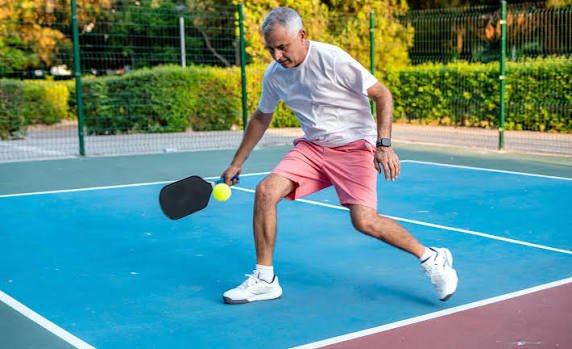
Pickleball is more than a fun way to spend an afternoon with friends. Its quick rallies, constant movement, and mix of short bursts and recovery can provide a surprisingly effective workout. For beginners, it offers an approachable way to improve cardiovascular fitness, coordination, balance, and muscular endurance without requiring an intense training background or complicated equipment.
Why Pickleball Can Be a Good Workout
Pickleball can deliver a well-rounded workout because it combines cardiovascular activity with frequent changes in direction, balance challenges, and repeated movements. During a typical game, players may walk, jog, shuffle, reach, bend, and accelerate as they respond to the ball. The intensity can vary, but even recreational play can keep the body active for an extended period.
One of the biggest advantages is that pickleball does not feel like traditional exercise to many people. Instead of spending the same amount of time on a treadmill or stationary bike, players have a specific goal: keep the rally going, return the ball, and work with their partner. That competitive and social element can make physical activity feel more engaging.
The workout you receive also depends on how you play. A relaxed doubles game may provide moderate activity, while fast-paced singles or competitive matches can demand considerably more movement. Beginners can adjust their intensity naturally by taking breaks, playing doubles, or focusing on controlled movement rather than trying to chase every ball.
How Much Exercise Do You Get?
There is no single answer because factors such as playing style, match duration, fitness level, court movement, and whether you play singles or doubles all affect workout intensity. A longer game with frequent rallies will naturally require more activity than a short session with many breaks.
Your effort level matters, too. A beginner who is still learning how to move around the court may spend more time standing and thinking about the next shot. As skills improve, movement often becomes more fluid, allowing players to stay active without feeling as mentally or physically overwhelmed.
The Fitness Benefits Beginners Can Expect
Pickleball can contribute to several areas of physical fitness at once. While it should not necessarily replace every form of exercise, it can be a useful part of a balanced fitness routine.
Cardiovascular Fitness
Repeated movement around the court can raise your heart rate and challenge your cardiovascular system. Short bursts of movement followed by brief periods of lower intensity create an interval-like pattern. This can help make pickleball an enjoyable way to accumulate active time throughout the week.
Singles generally require more court coverage because one player is responsible for the entire playing area. Doubles can be less demanding from a movement perspective, but longer rallies and quicker exchanges can still provide a meaningful cardiovascular challenge.
If you are new to exercise, starting with shorter sessions can help your body adapt. As your endurance improves, you can gradually increase playing time or choose more active games.
Strength and Muscular Endurance
Pickleball is not a substitute for dedicated resistance training, but it does require your muscles to work repeatedly. Your legs are involved in moving, stopping, squatting, and changing direction, while your core helps stabilize your body as you reach and rotate.
Your shoulders, arms, and forearms also contribute during serves, returns, volleys, and other shots. Because these movements are repeated throughout a game, pickleball can support muscular endurance, particularly when you play regularly.
For greater overall strength, beginners can combine pickleball with simple resistance exercises such as squats, lunges, rows, presses, and core movements. This combination can help support court performance while developing strength that recreational play alone may not fully provide.
Balance, Agility, and Coordination
One of pickleball’s most valuable fitness benefits is the way it challenges coordination. Players must track a moving ball, anticipate where it will go, position their bodies, and choose an appropriate response, often within seconds.
Moving forward, backward, and sideways while maintaining balance can also challenge agility. Reaching for a shot requires control rather than simply speed. Over time, practicing these movements may help beginners become more comfortable changing direction and coordinating their upper and lower body.
These skills can be particularly useful because physical fitness is not only about cardiovascular endurance. Being able to control your body while moving is an important part of functional fitness.
Is Pickleball Suitable for Beginners?
For many beginners, pickleball is accessible because the court is relatively compact and the basic movements can be learned progressively. You do not need to master every technique before you can enjoy a recreational game. New players can start with simple serves, returns, and controlled rallies before gradually developing more advanced skills.
The social nature of the sport can also make starting easier. Playing with people at a similar skill level allows beginners to learn without feeling pressured to compete against highly experienced players. A supportive playing environment can encourage consistency, which is often more important for long-term fitness than doing extremely difficult workouts once in a while.
That said, beginners should still learn the basic pickleball rules before joining organized games. Understanding where to stand, how scoring works, and what constitutes a legal serve or return can make your first sessions less stressful and help you spend more time moving rather than stopping to figure out what happens next.
Start at a Comfortable Intensity
A common mistake is trying to play at full speed from the first point. If you are not accustomed to regular physical activity, begin with a manageable session and take breaks when needed. Your goal should be to build consistency rather than exhaust yourself.
Pay attention to how your body feels during and after playing. Normal exertion can include increased breathing, sweating, and muscle fatigue. Sharp pain, dizziness, unusual shortness of breath, or other concerning symptoms are reasons to stop exercising and seek appropriate medical advice.
As your fitness improves, you can gradually increase the length or intensity of your sessions. This approach gives your muscles, joints, and cardiovascular system time to adjust.
How to Make Pickleball a Better Workout
If your primary goal is fitness, small changes can make a pickleball session more physically demanding without turning it into an exhausting workout.
Playing singles is one straightforward option because you have more court to cover on your own. Longer rallies can also increase active time, while limiting unnecessary pauses keeps your body moving more consistently. You can also focus on efficient footwork instead of relying on large, rushed movements.
A proper warm-up is another important part of a good session. Spend several minutes gradually increasing your activity level with easy walking, light movement, and dynamic exercises. This can help prepare your body for the demands of the game.
Pair Pickleball With Other Exercise
Although pickleball can be an effective form of physical activity, a balanced routine can provide broader benefits. Consider combining regular games with strength training, mobility work, and other forms of aerobic exercise.
Strength training can help develop the muscles used during court movement, while mobility exercises can support comfortable movement through different positions. Walking, cycling, swimming, or another preferred aerobic activity can add variety and increase your overall weekly activity.
Rest is also part of the equation. If you are playing frequently, give your body opportunities to recover, especially when you are new to the sport. Increasing activity too quickly can leave you overly fatigued and may make it harder to maintain a consistent routine.
Tips for Getting Started Safely
Before your first serious session, wear comfortable clothing and supportive footwear that allows you to move securely on the court. Bring water and take regular breaks, particularly in hot or humid conditions. Beginners should also avoid treating every point like a competition until they understand their current fitness level.
Start by learning basic movement and technique rather than focusing entirely on hitting the ball hard. Controlled footwork, good positioning, and smooth swings can help you stay active while reducing unnecessary strain.
It is also worth considering your existing fitness and experience. Someone who already exercises regularly may be able to handle longer games immediately, while someone returning to physical activity after a long break may benefit from shorter sessions. The best workout is one you can perform consistently and enjoy enough to keep doing.
Most importantly, allow your fitness to develop naturally. You do not need to be fast, powerful, or highly skilled to benefit from playing. Consistent recreational sessions can gradually build endurance and confidence while giving you a reason to stay active.
Conclusion
Pickleball can be a good workout for beginners because it blends cardio, movement, coordination, balance, and muscular endurance into an enjoyable activity. Its intensity is easy to adjust, making it suitable for different fitness levels. Start gradually, warm up, stay hydrated, and combine games with strength and mobility work for a more complete fitness routine.
