
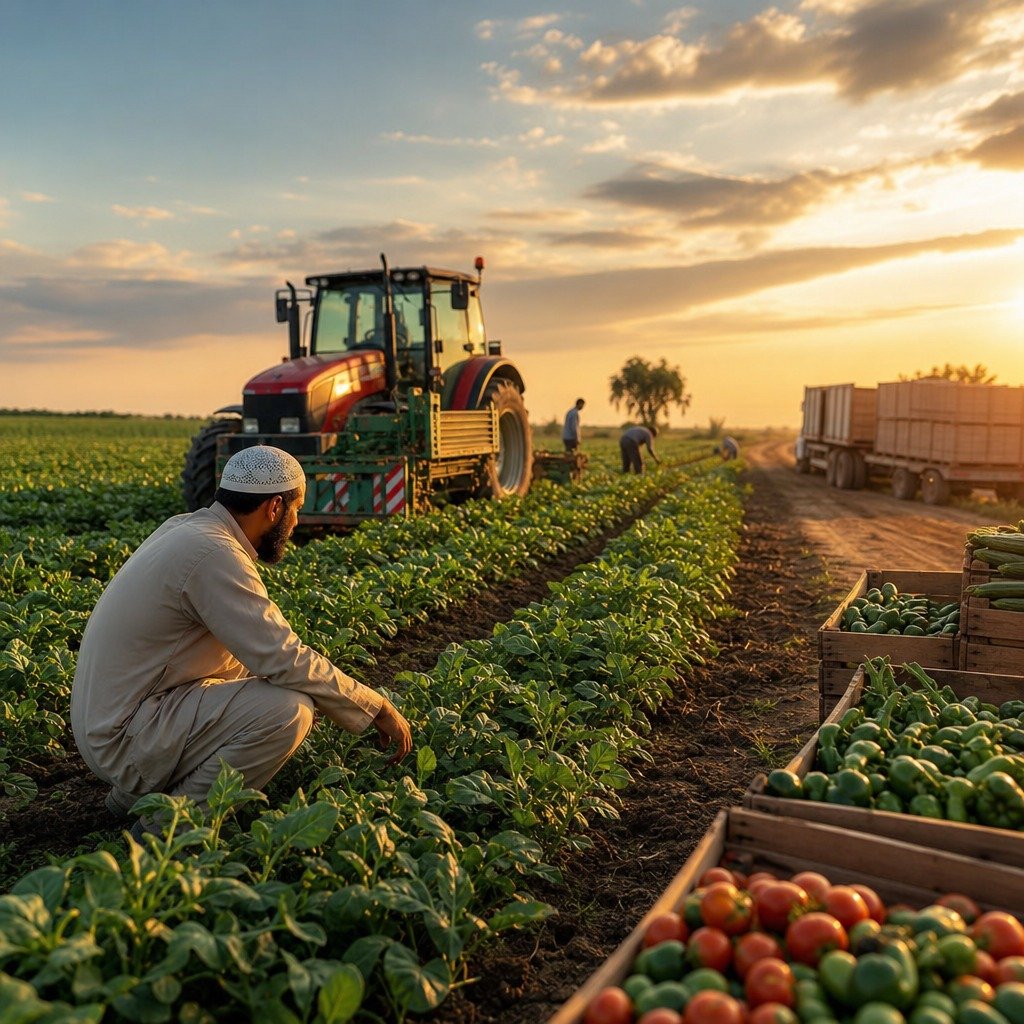
Modern farming is no longer just about planting seeds and waiting for the harvest. Today’s agricultural landscape demands a sophisticated understanding of machinery, land management, and the broader food supply chain that connects farm gates to kitchen tables. Whether you’re running a mixed livestock and arable operation or managing a specialist smallholding, the tools you choose and the markets you supply to are deeply intertwined. Getting both right can be the difference between a thriving rural business and one that merely survives.
The Modern Farm: Where Equipment Meets Efficiency
Agricultural productivity has always been tied to the quality and versatility of the machinery on hand. Over the past two decades, compact utility tractors and their associated implements have transformed what smaller and mid-sized farms can achieve. Tasks that once required large crews or expensive contractors can now be handled by a single operator with the right attachment fitted to a reliable machine. This shift has not only reduced labour costs but has also allowed farmers to respond more quickly to seasonal demands, weather windows, and market opportunities.
The relationship between a tractor and its attachments is central to this efficiency. A well-matched combination allows a farmer to move from one task to another with minimal downtime — from front loader work in the morning to post-hole drilling in the afternoon. This flexibility is particularly valuable on diversified farms where no two days look the same.
Choosing Attachments That Earn Their Keep
Not every attachment delivers equal value on every farm. The key is identifying which implements align with your specific land type, livestock needs, and cropping calendar. A front-end loader is almost universally useful, handling everything from muck spreading to moving bales. Box blades and land planes are invaluable for maintaining farm tracks and levelling paddocks. Meanwhile, rotary tillers and seeders can dramatically reduce the time between field preparation and planting. When evaluating Kubota attachments, farmers should consider not just the immediate task at hand but the full range of seasonal jobs each implement can support across the farming year. Investing in multi-purpose attachments that serve several functions often delivers better long-term value than purchasing single-use tools.
The Broader Agricultural Picture: Tractor Sales and Industry Confidence
Equipment investment decisions don’t happen in isolation. They’re influenced by commodity prices, government support schemes, interest rates, and broader confidence in the agricultural sector. Industry data has consistently shown that when farmers feel optimistic about the future, machinery purchases follow. According to analysis of tractor sales trends from the Association of Equipment Manufacturers, positive momentum in the sector often reflects wider rural confidence and investment appetite. Understanding these cycles can help farm businesses time their equipment purchases strategically, taking advantage of favourable financing conditions or dealer incentives during periods of strong market activity.
For many farmers, a new tractor or a suite of attachments represents one of the largest capital expenditures they’ll make in a given year. That’s why it’s worth approaching the decision with the same rigour applied to any major business investment — assessing total cost of ownership, resale value, dealer support networks, and parts availability before committing.
Maintenance and Longevity: Getting the Most from Your Investment
Even the best machinery will underperform if it isn’t properly maintained. Seasonal servicing, correct storage, and prompt attention to minor faults all extend the working life of farm equipment significantly. Attachment care is equally important — keeping hydraulic connections clean, lubricating moving parts regularly, and inspecting wear components before each season begins can prevent costly breakdowns at the worst possible moments. Building a relationship with a trusted local dealer who stocks genuine parts and offers responsive service support is an investment in itself, one that pays dividends when time-sensitive fieldwork is on the line.
From Field to Fork: The Food Supply Chain Connection
Farming doesn’t end at the farm gate. The produce, livestock, and raw materials generated by efficient farm operations feed into a complex supply chain that ultimately reaches consumers. For livestock farmers in particular, understanding the downstream market — including how meat is processed, packaged, and sold — can open up new revenue streams and strengthen the farm’s commercial position.
Direct-to-consumer and premium food channels have grown substantially in recent years, driven by consumer demand for provenance, quality, and transparency. Farmers who can demonstrate high welfare standards, sustainable practices, and traceable supply chains are increasingly well-placed to access these premium markets. This is where the connection between good farm management and quality food production becomes most visible.
Premium Meat and the Rise of Artisan Food Channels
One of the most notable developments in the UK food sector has been the growth of premium online butchery and meat delivery services. Consumers who once relied solely on supermarkets are now seeking out specialist suppliers who can offer heritage breeds, dry-aged cuts, and farm-assured provenance. For farmers supplying into this space, the standards required are high — but so are the returns. Services like those explored through UK online butchers and premium meat delivery highlight the growing appetite for quality British produce and the commercial opportunity this represents for livestock producers who invest in both animal welfare and efficient farm operations.
The link between farm equipment and food quality may not be immediately obvious, but it is real. Efficient machinery reduces stress on livestock during handling, enables better pasture management, and supports the kind of consistent, high-quality production that premium buyers demand. A farm that runs smoothly — with the right tools for every task — is better positioned to meet the exacting standards of artisan food channels.
HR Agri Power: Supporting Farmers with the Right Tools
HR Agri Power has established itself as a trusted resource for farmers seeking practical, expert guidance on machinery and attachments. Their approach goes beyond simply selling equipment — they focus on helping farm businesses identify the right tools for their specific operational needs, with detailed insight into how different implements perform across a range of tasks and conditions. Their content is grounded in real agricultural experience, making it a valuable reference point for both established farmers and those newer to machinery investment decisions.
Whether you’re equipping a new holding from scratch or upgrading an existing fleet, the guidance available through HR Agri Power reflects a genuine understanding of what farmers need to operate efficiently and profitably in today’s challenging agricultural environment.
Conclusion: Building a Farm Business That Works End to End
Successful farming in the current era requires thinking across the entire value chain — from the machinery that works the land to the markets that reward quality produce. Investing in the right equipment, maintaining it well, and understanding where your output fits in the broader food economy are all part of building a resilient, profitable farm business. The farmers who thrive are those who treat every element of their operation with the same level of strategic thought, from the attachment on the back of their tractor to the premium buyer at the end of the supply chain.
