
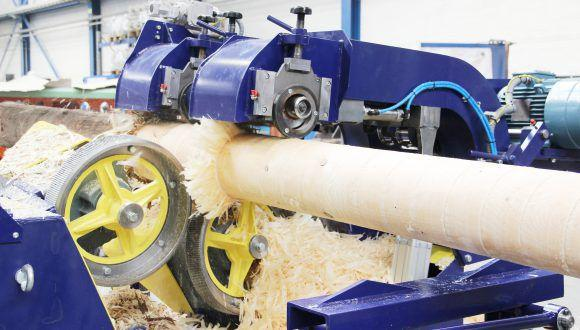
Wood debarking is an essential step in many sawmills, pulp mills, and wood processing operations. By removing bark from logs, debarking equipment helps prepare raw materials for further processing while improving product quality and production efficiency. However, continuous operation under heavy loads can create various challenges, including incomplete bark removal, increased machine wear, and unexpected downtime. Factors such as log hardness, dirt, operating conditions, and component wear can all affect debarking performance. Understanding these common problems and applying the right solutions can help operators maintain stable production and extend the service life of their equipment.
- Incomplete Bark Removal During Processing
One of the most common problems in wood debarking operations is incomplete bark removal. When bark remains on logs after processing, it can affect the quality of downstream applications and reduce overall production efficiency. This issue is often caused by worn cutting components, incorrect machine settings, or changes in log conditions.
The condition of debarker tips plays an important role in maintaining effective bark removal performance. When these components become worn, they may lose their ability to maintain proper contact with the log surface, causing the machine to require additional passes to achieve the desired result. In some cases, excessive wear can also increase machine load and energy consumption. For operations looking for reliable replacement components, more information about debarker tips can be found at https://www.jyfmachinery.com/product/debarker-tips/ .
To prevent this problem, operators should regularly inspect the condition of cutting components, adjust operating parameters according to different log types, and replace severely worn parts before they affect production. Choosing suitable wear components and maintaining them properly can help ensure consistent debarking performance and reduce unnecessary downtime.
- Excessive Wood Damage After Debarking
While effective bark removal is the main goal of a debarking machine, excessive damage to the wood surface can create additional problems. Deep marks, unnecessary material loss, and reduced log quality may occur when the equipment is not operating under the right conditions.
One common cause is improper cutting pressure. If the contact force between the cutting components and the log is too high, the machine may remove more material than necessary. Damaged or unsuitable cutting components can also affect the balance between bark removal efficiency and wood protection.
Using the right debarker wear parts can help maintain consistent performance while minimizing surface damage. Operators should select components based on factors such as wood species, log conditions, and machine requirements. Regular inspections and proper adjustments can also help ensure that the debarking process removes bark effectively without negatively affecting the quality of the processed logs.
- Frequent Machine Downtime and High Maintenance Costs
Unexpected downtime is one of the biggest challenges for wood processing operations. When a debarking machine stops working, it can interrupt production schedules, increase labor costs, and reduce overall profitability. In many cases, these issues are not caused by major equipment failures but by worn or damaged components that were not replaced in time.
Several factors can contribute to frequent maintenance problems, including delayed replacement of worn parts, low-quality replacement components, and insufficient inspection routines. When wear parts continue operating beyond their service life, they may reduce debarking efficiency and place additional stress on other machine components.
To reduce downtime and control maintenance costs, operators should focus on preventive maintenance practices:
- Inspect wear components regularly to identify early signs of damage.
- Replace worn parts before they affect machine performance.
- Keep commonly used replacement components available to avoid long waiting times during repairs.
For operations handling abrasive logs or running equipment for extended periods, carbide-based components can provide improved wear resistance and longer service intervals. Selecting durable replacement debarker tips and maintaining them properly can help improve equipment reliability while reducing unexpected production interruptions.
- Reduced Debarking Efficiency Due to Operating Conditions
Even when the equipment and wear components are in good condition, operating conditions can still affect debarking efficiency. Different types of logs present different challenges, and factors such as material hardness, surface contamination, and size variations can influence machine performance.
For example, frozen logs may require more cutting force due to their increased hardness, while logs covered with dirt, stones, or sand can accelerate wear on cutting components. In addition, irregular log sizes may create inconsistent contact between the machine and the material, leading to uneven bark removal.
To maintain stable performance, operators should adjust machine settings according to actual working conditions, select suitable tooling for different applications, and remove excessive debris from logs before processing. By considering both equipment condition and material characteristics, wood processing operations can achieve more consistent debarking results and reduce unnecessary wear on machine components.
How Regular Maintenance Improves Debarker Performance
Regular maintenance is essential for keeping wood debarking equipment operating efficiently and reducing the risk of unexpected failures. Since debarkers work under continuous impact and abrasion, even small signs of wear can gradually affect production quality and increase operating costs if they are ignored.
A preventive maintenance routine allows operators to identify potential problems before they lead to major equipment issues. Recommended maintenance practices include:
- Inspect wear parts frequently to monitor damage, cracks, or excessive wear.
- Monitor bark removal quality to identify performance changes during operation.
- Check unusual vibration or noise that may indicate component problems.
- Replace worn components on time to maintain stable machine performance.
Compared with emergency repairs, regular inspections and timely replacement of worn parts are usually more cost-effective. By maintaining critical components and addressing wear issues early, wood processing operations can improve debarking consistency, reduce downtime, and extend the service life of their equipment.
Conclusion
Maintaining efficient wood debarking requires more than simply operating the machine at full capacity. Consistent performance depends on the overall condition of the equipment, proper operating practices, and reliable components that can handle demanding working environments. By paying attention to equipment performance and addressing potential issues before they become major problems, wood processing operations can achieve more stable production and better long-term results. A proactive approach to maintenance and component management is key to keeping debarking systems running efficiently.
