
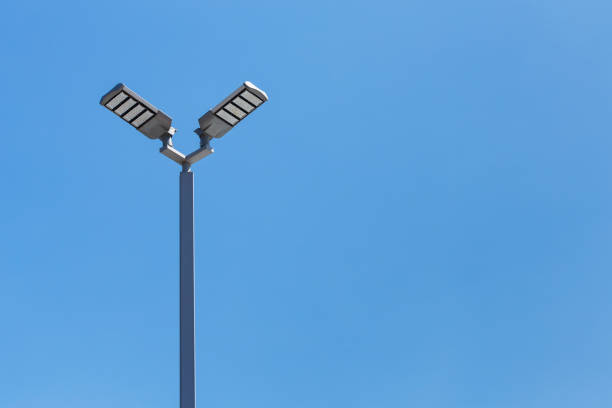
The global transition toward decentralized, sustainable energy models is reshaping how municipal electrical grids operate. Modern urban planning requires infrastructure that minimizes energy consumption while maximizing operational reliability in public spaces.
Commercial solar LED street lighting has emerged as a cornerstone of this transition, offering high-performance illumination without the burden of traditional grid dependency. For municipal facility managers and urban planners, understanding the underlying technology is critical.
Transitioning from grid-tied legacy systems to independent, renewable-powered lighting networks is no longer just an environmental initiative; it is a financial and operational necessity. This guide breaks down the engineering principles and strategic implementation of these advanced lighting solutions.
The Evolution of Off-Grid Public Lighting Systems
Historically, solar-powered lighting was relegated to niche applications or remote areas where trenching was economically unviable. Early iterations suffered from low luminous efficacy and limited battery lifespans, rendering them unsuitable for high-traffic urban centers.
However, rapid advancements in photovoltaic cell efficiency and solid-state lighting have propelled these systems to the forefront of primary municipal infrastructure. Modern commercial solar LED arrays now rival, and often exceed, the photometric performance of traditional high-pressure sodium (HPS) lamps.
When modernizing public spaces, municipal planners must evaluate the manufacturing capabilities behind the technology. Procuring commercial solar LED street lighting from established global manufacturers like WOSEN ensures that infrastructure projects benefit from high luminous efficacy, customized optic lenses, and robust weatherproofing necessary for long-term urban deployment.
Core Components of High-Efficacy Solar LED Street Lights
The reliability of a commercial-grade off-grid lighting system depends entirely on the synchronized performance of its sub-components. Engineers must specify components that can endure extreme environmental stress while maintaining optimal power output.
A robust system is not just a light fixture; it is an independent micro-power plant. Assessing the technical specifications of the solar array and the energy storage medium is paramount for project success.
Photovoltaic Conversion Rates and Monocrystalline Panels
The energy generation core of any solar lighting system is its photovoltaic (PV) array. For commercial applications, engineers predominantly specify monocrystalline panels due to their superior performance metrics.
These panels are manufactured from a single, continuous crystal structure, granting them the highest photovoltaic conversion rates available in the commercial market—often exceeding 20%. This high efficiency is crucial for areas with limited direct sunlight or frequent cloud cover.
Furthermore, commercial-grade panels feature tempered glass and heavy-duty aluminum frames, ensuring maximum light transmittance while resisting wind loads, hail, and extreme temperature fluctuations.
LiFePO4 Battery Autonomy and Thermal Management
Energy storage remains the most critical factor in achieving reliable off-grid autonomy. Modern commercial fixtures have largely abandoned older lead-acid technology in favor of Lithium Iron Phosphate (LiFePO4) battery banks.
LiFePO4 technology offers exceptional thermal stability and a significantly higher depth of discharge (DoD), allowing the system to utilize more stored energy without degrading the battery’s internal chemistry.
Key technical advantages include:
- Extended lifespans often exceeding 2,000 to 3,000 charge cycles.
- Advanced thermal management systems that prevent overheating in extreme summer climates.
- High energy density, allowing for sleeker, integrated fixture designs without compromising total power capacity.
Financial and Environmental ROI for Municipalities
Evaluating the return on investment (ROI) for off-grid lighting requires a holistic view of municipal capital and operational expenditures. The initial capital expenditure (CAPEX) of solar LED systems is rapidly offset by the elimination of heavy civil engineering works.
By removing the need for extensive trenching, underground wiring, and transformer installations, municipalities can reduce project installation costs by up to 50%. This makes solar lighting particularly attractive for retrofitting established urban areas or expanding infrastructure into new developments.
Environmentally, the impact is profound. Off-grid lighting operates with a zero-carbon footprint, directly aligning with global urban sustainability targets and drastically lowering a municipality’s overall greenhouse gas emissions.
International Standards and Maintenance Protocols
To ensure the long-term viability of public infrastructure, procurement officers must strictly adhere to international manufacturing and safety benchmarks. Fixtures must carry certifications such as CE and RoHS, verifying electrical safety and the restriction of hazardous substances.
Additionally, housing units must meet rigorous IP65 ratings (or higher) to guarantee complete protection against dust ingress and low-pressure water jets. Adhering to these standards minimizes premature hardware failure and significantly reduces ongoing maintenance overhead.
The transition to solid-state lighting technology represents a monumental shift in global energy conservation efforts. According to the U.S. Department of Energy, widespread adoption of optimized LED technology in outdoor and infrastructure applications can reduce energy consumption by up to 75% compared to conventional lighting methods, significantly easing the burden on municipal power grids.
Conclusion: Future-Proofing City Grids
Deploying commercial solar LED street lighting is a definitive step toward sustainable, resilient urban infrastructure. By leveraging advanced photovoltaic technologies and highly efficient energy storage systems, cities can guarantee reliable public illumination independent of grid vulnerabilities. Municipal planners who prioritize these advanced, certified engineering solutions will effectively future-proof their electrical infrastructure for decades to come.
