
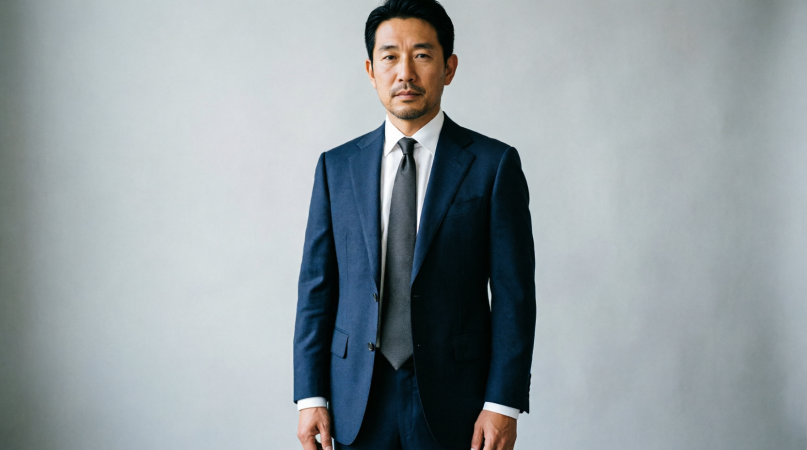
Most men spend time thinking about what to wear to weddings, parties and special occasions, but far fewer consider what is appropriate for a funeral until they need to attend one. During these moments, clothing should never become the focus. Instead, it should reflect respect for the occasion and consideration for the family and friends of the person being remembered.
A well-chosen suit helps achieve this balance. It provides a smart, understated appearance that acknowledges the seriousness of the event while allowing you to feel comfortable and appropriately dressed.
Although dress codes have become more relaxed in many areas of life, funerals remain one of the occasions where traditional standards continue to matter.
Why a Funeral Suit Should Prioritise Simplicity
When choosing a funeral suit, simplicity is always the safest approach. Funerals are not occasions for bold colours, statement patterns or fashion trends. The purpose of the outfit is to show respect, not individuality.
Dark colours remain the most appropriate choice. Black is traditionally preferred, although charcoal and very dark navy may also be suitable in some circumstances. The aim is to create a neat, understated appearance that does not draw unnecessary attention.
The same principle applies to shirts, ties and accessories. Crisp white shirts remain the most common choice, while ties should be dark and simple. Subtle textures are acceptable, but bright patterns and novelty designs should be avoided.
By keeping everything restrained, the focus remains where it belongs.
Understanding Traditional Funeral Attire
For many years, black tailoring has been closely associated with funerals. This tradition developed because black is seen as a colour of mourning and respect across much of the Western world.
While expectations have softened slightly over time, particularly when families request specific colours or less formal dress codes, traditional funeral attire remains widely accepted and appreciated.
A dark two-piece suit continues to be the standard option for most services. Some men choose a three-piece suit, although this should remain simple and conservative in appearance.
The most important consideration is that the outfit looks clean, smart and respectful.
Getting the Fit Right
The fit of a suit plays a significant role in how it is perceived. Even the most expensive suit can look untidy if it does not fit correctly.
A funeral suit should fit comfortably through the shoulders and chest without appearing overly tight. Trousers should sit neatly at the waist and fall cleanly over the shoes. Jackets should allow enough movement to sit and stand comfortably throughout the service.
There is no need for extremely slim or fashion-focused cuts. Classic tailoring often works best for formal occasions because it looks timeless and appropriate.
Comfort is also important. Funerals can be emotionally demanding, and the last thing anyone wants is to feel restricted by poorly fitting clothing.
Choosing the Right Shirt and Tie
The combination of a dark suit and white shirt remains the most reliable option for funerals. It creates a clean, formal appearance without appearing excessive.
Tie choice should remain conservative. Black ties are traditional and always appropriate. Dark grey, charcoal and deep navy can also work in certain situations.
Patterns should be minimal. A plain tie or one with very subtle texture is usually preferable to anything highly decorative.
Pocket squares, tie bars and other accessories are not essential. If worn, they should remain understated and discreet.
Footwear Matters More Than Many Realise
Shoes often receive less attention than suits, yet they contribute significantly to the overall appearance.
Black leather shoes remain the standard choice for funeral attire. Oxford shoes are particularly suitable because of their simple and formal design. Derby shoes can also work well if they are polished and in good condition.
Footwear should be clean and properly maintained. Scuffed shoes can undermine an otherwise smart outfit and create an impression of carelessness.
Matching black socks help maintain a polished appearance and avoid drawing attention to the lower half of the outfit.
What to Avoid Wearing
While modern dress codes can vary, certain items are generally best avoided at funerals.
Bright colours, loud patterns and casual clothing can appear out of place. Distressed jeans, trainers, graphic T-shirts and heavily branded garments rarely suit the occasion.
Similarly, very shiny fabrics or suits with overly fashionable details may not feel appropriate in a traditional funeral setting.
The goal is not to stand out but to show consideration for the significance of the event.
When Dress Codes Differ
Not every funeral follows traditional expectations. In recent years, some families have requested colourful clothing or specific dress themes to celebrate the life of a loved one.
When clear instructions are provided, it is respectful to follow them. However, if there is any uncertainty, a dark suit remains the safest choice.
A classic funeral suit is rarely considered inappropriate, even when dress codes are more relaxed. It demonstrates thoughtfulness and an understanding of the occasion.
A Suit Every Man Should Own
While no one enjoys thinking about funerals, having a suitable dark suit available can remove unnecessary stress during difficult times.
A well-fitted black or charcoal suit serves multiple purposes beyond funerals, making it one of the most practical investments in a man’s wardrobe. It can be worn for formal events, professional occasions and moments that require a more traditional appearance.
Most importantly, it ensures you can attend a funeral feeling confident that your clothing reflects the respect and dignity the occasion deserves.
