
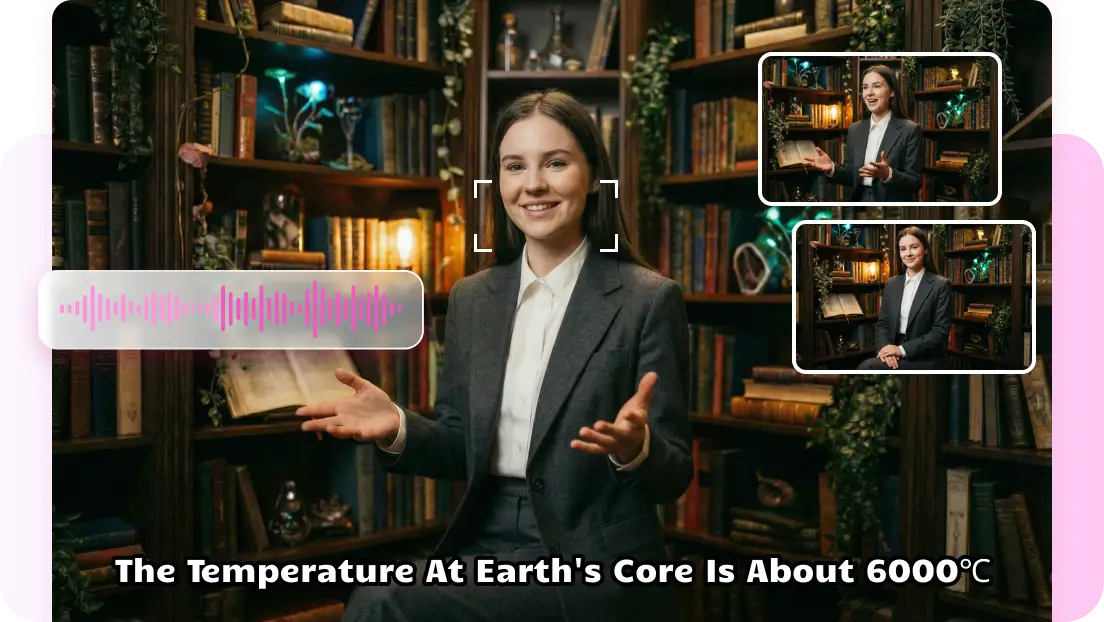
Visual communication has evolved into an interactive narrative experience rather than motionless pictures. The audience does not want mere pictures; they want something captivating and natural. Talking visuals are a blend of images, voice, and motion into potent forms. This change facilitates marketing, education, and online communication objectives. Demand is still growing as brands are striving to connect with the audience at a deeper emotional level. Pippit eases this transition with available animation features. It allows designers to convert photographs into talking images quickly. This has changed the way messages are passed across the digital landscape.
The Power of Image-to-Video Transformation
Not all the time, even still images can help express emotions and tell stories. Moving pictures elicit stronger emotional responses and greater involvement. The AI video generator is a form of storytelling accompanied by voice and movement. These are tools applied in business to create presentations, advertisements, and brand storytelling. Educators resort to animated illustrations to simplify complex ideas. With simple photos, Pippit helps users derive meaning from visual stories. This shift causes audience retention and interest to skyrocket. Visual storytelling is more captivating and engaging when it uses motion and sound.
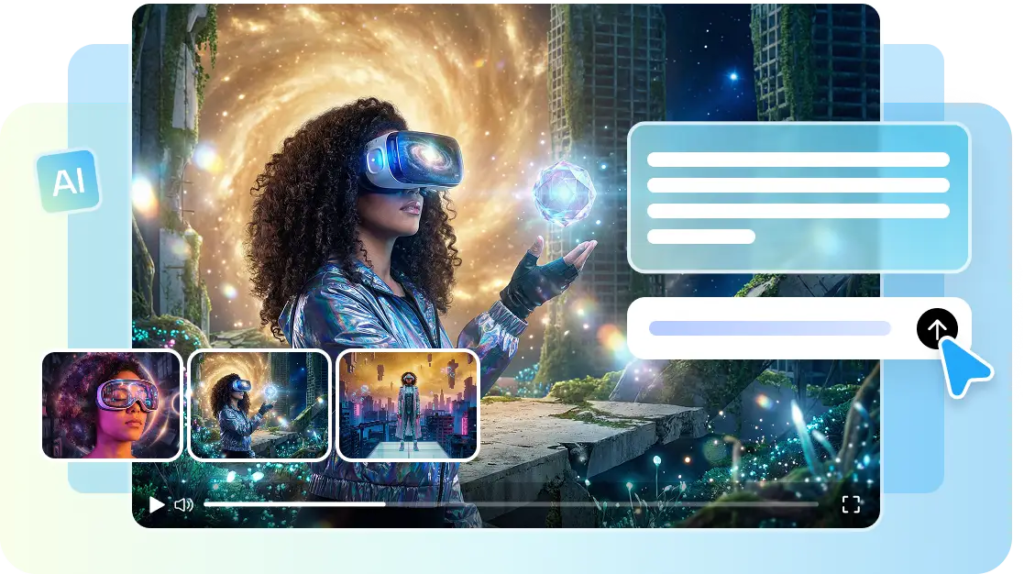
How AI Turns Photos into Talking Visuals
Face formation is analyzed using artificial intelligence to create realistic animation motions. Seedance model improves speech synchronization and natural lip synchronization. Voice integration enables multilingual narration for different audiences around the world. It is given a clue to an emotion through expression mapping to make it a bit more realistic. The technologies are combined to simulate human-like communication. Pippit can create a single animation process out of these. This is a method that provides coherence among voice, expressions, and visual output. Consequently, still images become interactive, realistic digital presenters.
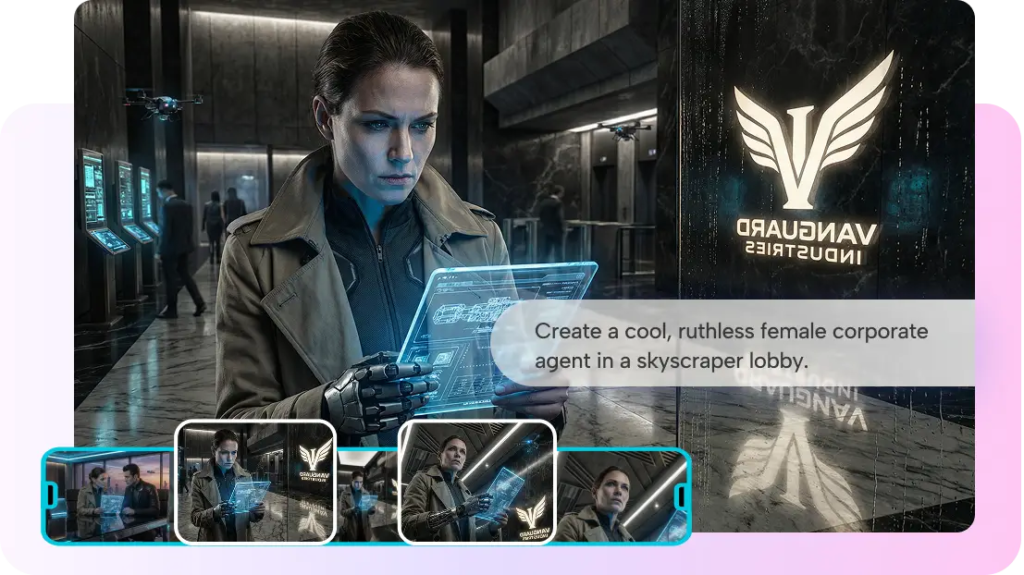
Core Features of Pippit’s Image Animation Tools
Pippit has easy-to-use upload-and-animate capabilities. Users can add their own scripts and align them with voiceovers. Controllable expressions enable the emotional tone and delivery to be finely adjusted. Motion dynamics settings can be used to have subtle or vigorous animation styles. More than one language provides a greater variety of audiences to voice choices. These attributes do not demand any sophisticated editing skills or technical knowledge. Pippit makes production easier without affecting the professional quality of the output. The artists can easily create attractive animated pictures with minimal effort.
Creative Possibilities with Talking Visuals
Visual storytelling opens up new creative possibilities in various sectors and forms. Pippit allows one to customize stories by creating avatars of real or fictional characters. The developers of education can develop animated lessons that are clearly explained. Brands can develop stories that have meaning and visually bring out their values and products. A free AI video editor helps to perfect the images without complicated applications. Such an elasticity will encourage the discovery of different storytelling styles. The content becomes more relatable, memorable, and engaging with animated delivery. The elements of synchronized voice and expression enhance visual storytelling.

Key Animation Styles You Can Create
The tone, anticipation of the audience, and the intention of communication can be adapted to the styles of animation employed:
- Avatar Narration Style provides well-structured, clear scripts in a consistent manner.
- Emotional Expression Style is more concerned with facial expressions to make storytelling more profound.
- Minimal Motion Style has small animations appropriate for a business setting.
- Dynamic Social Style is an appealing short-term content piece thanks to dynamic images.
- Voice-Driven Style is the style that ensures the coordination of narration and animation is accurate.
How to animate still photos into talking visuals using AI Video Generator tools
Step 1: Add images and define animation style
- Sign up and enter the platform.
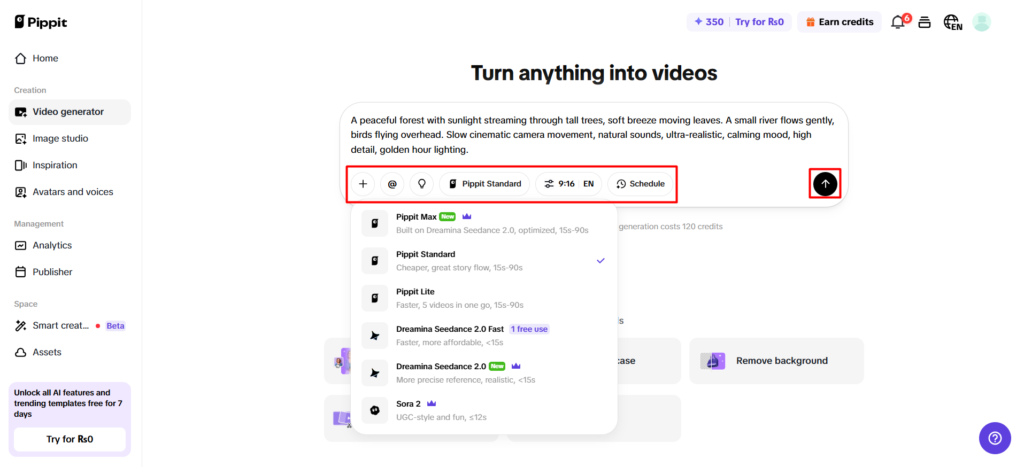
- Head to the “Video generator” section from the dashboard.
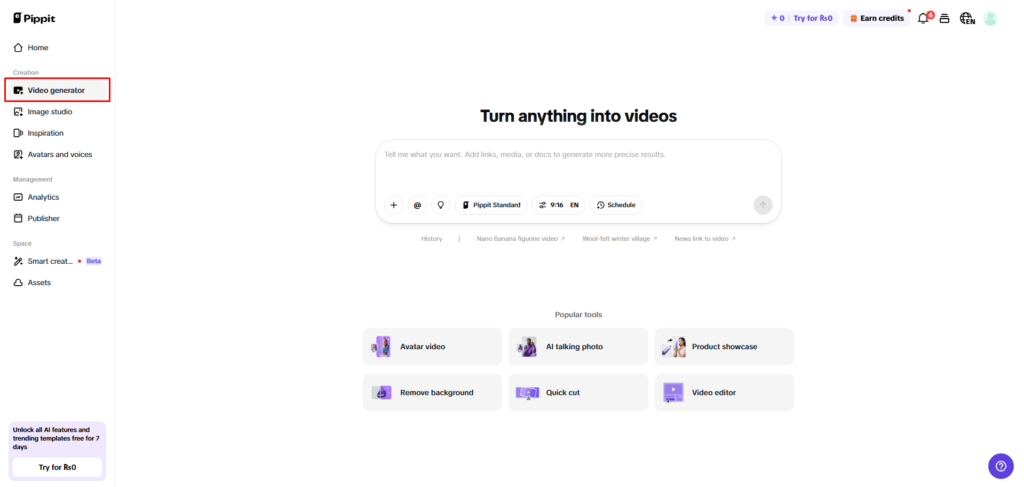
- Select a suitable AI model such as Dreamina Seedance 2.0 or others.
- Describe how the photo should animate, including facial motion or expressions.
- Choose video length, language, subtitles, and aspect ratio if required.
- Click “+” to upload photos from your device, phone, Dropbox, or link. You may also pick stock assets.
- Click “Generate” to begin.
Step 2: Generate animated talking visuals
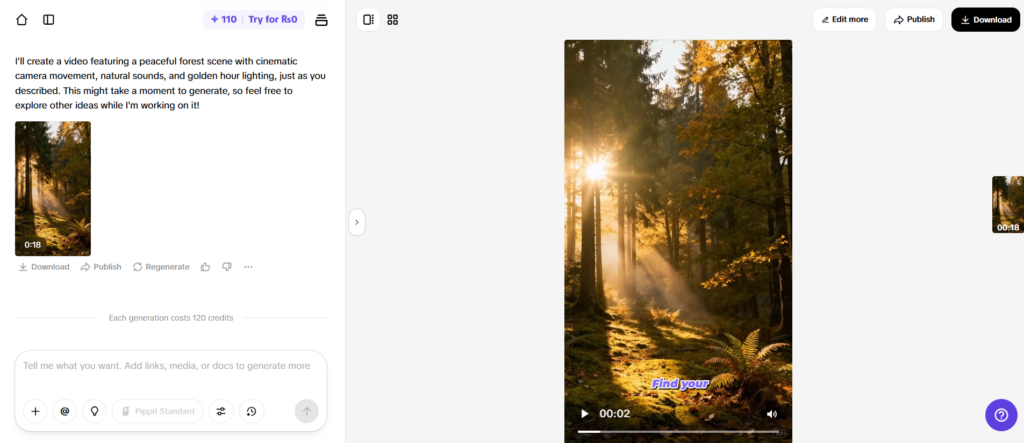
- After clicking “Generate”, the AI converts still images into animated visuals.
- It automatically adds motion, voice, captions, and timing.
- A draft video is created for preview.
Step 3: Polish and export animated output
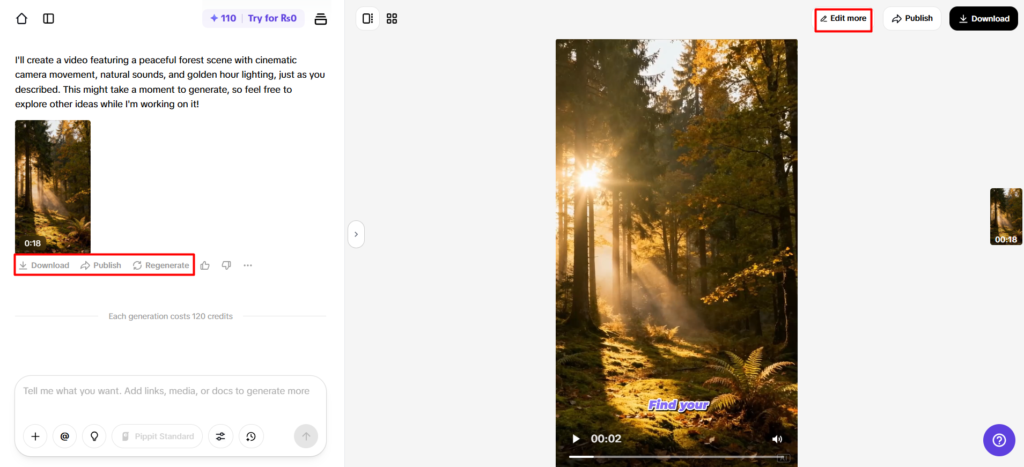
- Click “Download” to save instantly, or use “Regenerate” for a new version. Open “Edit more” for deeper edits.
- Modify captions, text size, colors, and animation effects.
- Enhance visuals with music or background adjustments.
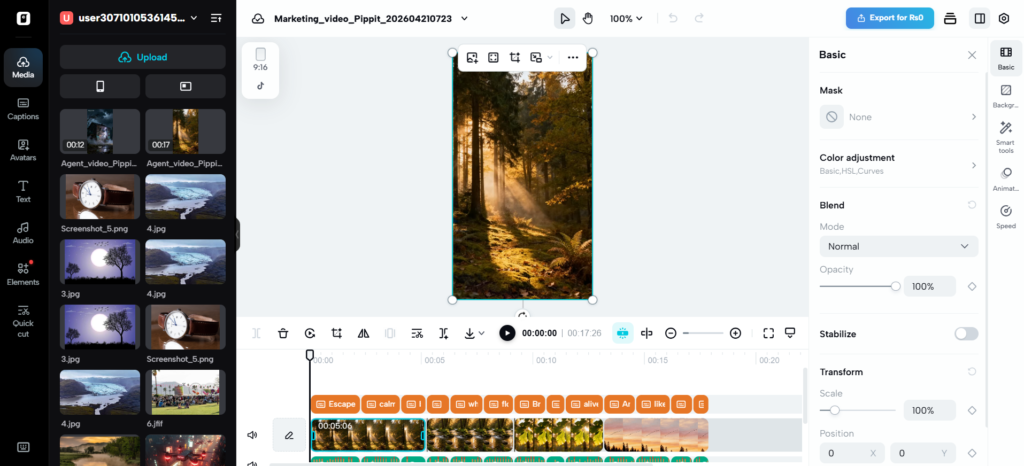
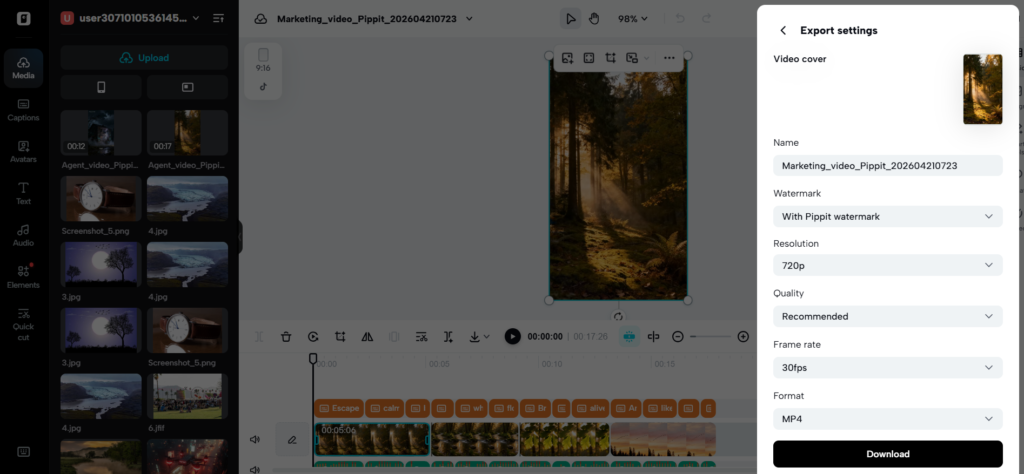
- Click “Export” once done.
- Select “Publish” or “Download” with desired settings.
Optimizing Photo Quality for Better Results
High-resolution images result in sharper, more detailed animation. Enough light will ensure that the faces are clear. Transparency improves the quality of expression mapping and lip-sync. There should be no crowding of backgrounds, as this will distract the viewer. The balanced composition helps streamline the animation’s process and presentation quality. Pippit works best when the source images are of such quality. Visual preparation has a significant influence on the final animation. The polished inputs will create more realistic and interactive speaking images.
Applications Across Industries
Talking visuals are used by marketing teams to engage with product campaigns and storytelling. Schools offer interactive classes with animated descriptions. Social media authors make content captivating and attract the audience’s attention within a very short period. Businesses use animated avatars for presentations and customer communication. Pippit promotes scalable, efficient content production across different industries. Visual communication increases the effectiveness of information and its retention by the audience. This style enhances communication effectiveness at work and in creativity. The world is becoming increasingly digital, and therefore there is an increasing demand for digital content, which is being adopted.
Conclusion
The visuals that talk change how images that are not in motion convey ideas and feelings. Animation adds richness, articulation, and interactivity to visual storytelling. Pippit simplifies and streamlines this process with effective, accessible tools. Creators can create professional content without technical limitations. This technology helps support evolving digital communication requirements. The application of AI-based animation continues to shape storytelling in various industries.
