
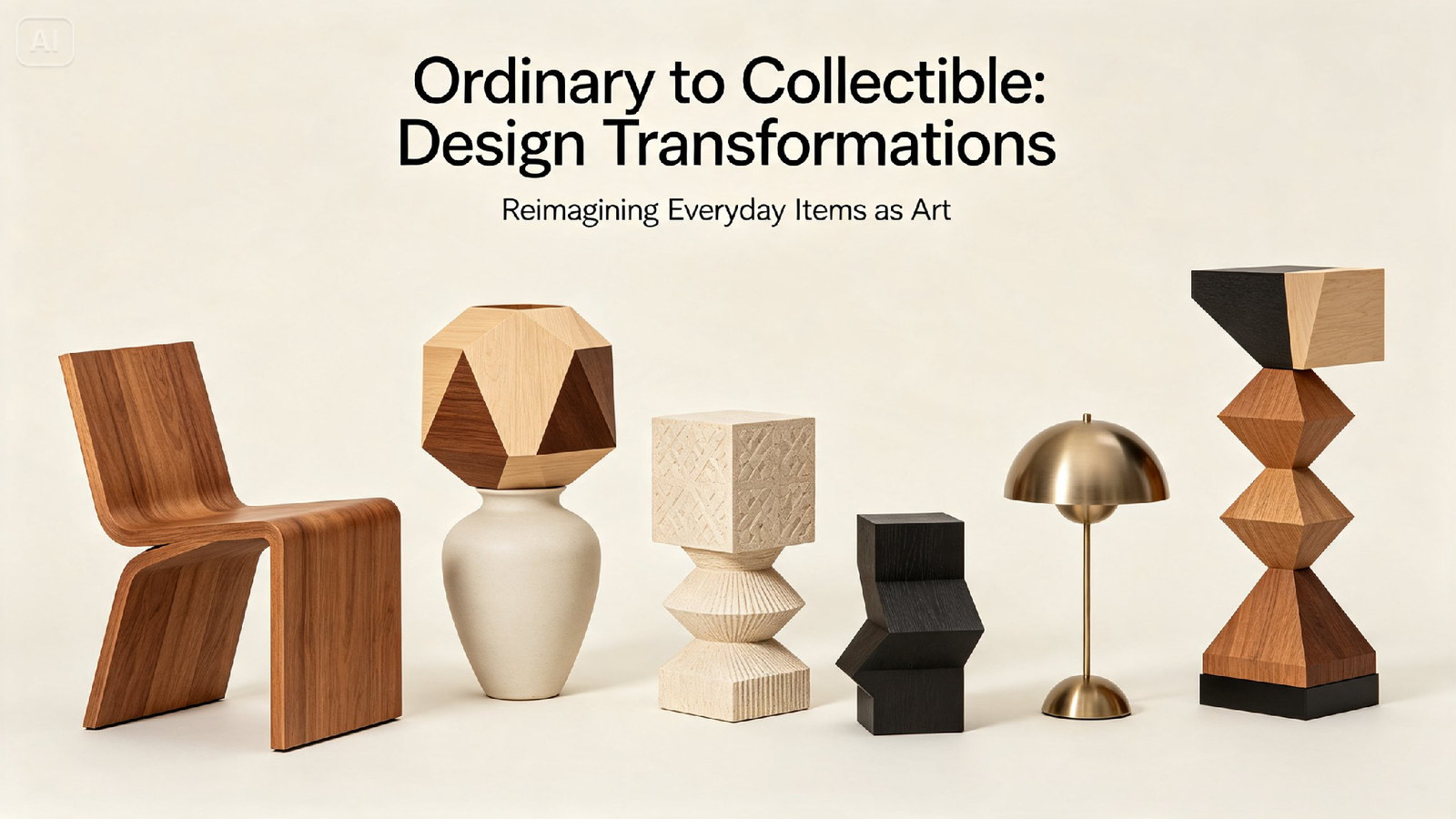
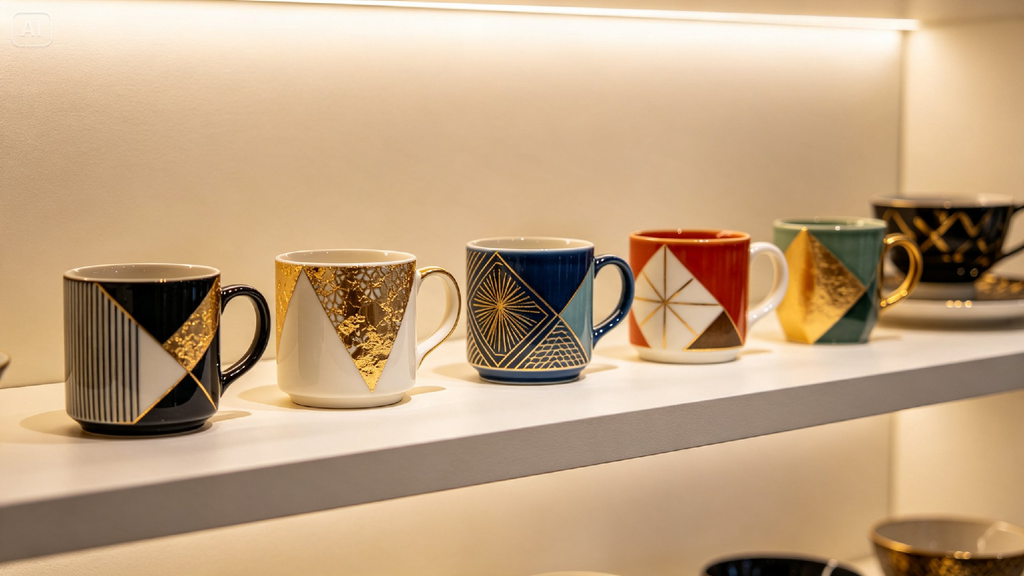
Walk through any collector’s shelf, and you’ll notice something interesting — the objects that get collected are rarely just useful; they’re designed to be desirable. A plain coffee mug is forgettable; a limited-edition art piece shaped like one, rendered with intention and style, suddenly becomes something worth displaying.
That shift from ordinary to collectible is mostly a matter of design treatment, and an advanced AI image generator from text makes exploring that treatment fast and genuinely accessible.
Dreamina is especially good at this kind of transformation, giving everyday objects the polish and personality that collectible design demands. Here’s how to give an everyday object real collector appeal.
What separates a collectible from a regular product
Collectible design leans into stylization rather than pure realism — exaggerated proportions, bold simplified color, a glossy or textured finish that signals craftsmanship. It’s less about depicting an object accurately and more about depicting it in a way that feels intentional, limited, and worth owning.
Choosing an object with collectible potential
Not every object translates naturally into this style. Strong candidates usually have a clear, recognizable silhouette and some inherent personality — a specific tool, a character-adjacent item, a nostalgic piece of technology. Overly plain or purely functional objects tend to need a stronger conceptual twist to feel collectible.
- Objects with nostalgic or cultural recognition
- Items with a strong, simple silhouette
- Concepts that lend themselves to a character or personality twist
Picking a design language before you start
Collectible aesthetics vary widely — vinyl toy style, retro tin sign, museum replica, miniature diorama. Deciding on this direction early keeps your prompt focused and prevents a design that reads as visually confused between two different collectible traditions.
Adding scarcity cues without saying “limited edition”
Numbered plaques, edition-style packaging, or a signature-like mark within the design itself all signal exclusivity more convincingly than text alone. These visual cues borrow from real collector culture and make a concept feel like part of a considered release rather than a one-off render.
Designing packaging alongside the object
A collectible rarely exists in isolation — the box or display case is often as recognizable as the piece itself. Sketching out a simple window box or blister pack style alongside the object rounds out the concept and makes it read as a complete product rather than just a figure on a shelf.
From everyday object to collectible concept in three moves
Dreamina makes exploring this kind of stylized design work fast enough to try several directions in one sitting.
Step 1: Write a text description
Go to Dreamina and describe your object along with the specific collectible style you’re aiming for, including finish, proportions, and color treatment. If you have a photo of the actual object, upload it as a reference to guide the base shape.
For example: A collectible vinyl figure design concept of a person dressed as a vintage arcade enthusiast holding a joystick controller, chunky stylized proportions, glossy candy-colored finish, clean studio product photography, soft shadow, white background.
Step 2: Adjust parameters and generate
Select Image 5.0 Pro, powered by Seedream 5.0 Pro, for accurate glossy material rendering and clean product-style lighting, then set your aspect ratio, canvas size, and resolution — 1K for quick concept previews, 2K for portfolio or pitch-ready presentation. Click the generate icon to render your design.
Step 3: Customize and download
Refine the result using Dreamina’s editing tools: inpaint to adjust specific proportions or details, expand to add more surrounding presentation space, remove to clean up background distractions, and retouch for a final glossy, polished finish. Once it’s ready, click Download.
Dreamina’s models and their fit for product-style design
Dreamina gives designers a choice of several image generation models, and collectible-style work benefits from picking the right one for the job.
Seedream 5.0 Pro, the newest and most advanced model in the lineup, handles glossy and reflective surface materials particularly well, along with the clean, evenly lit studio presentation that collectible product renders typically need. It’s the strongest option whenever the finish and material quality of the design matter as much as the concept itself.
Nano Banana offers faster generation, useful for quickly testing multiple object or character twist ideas before settling on a final direction. GPT Image 2 handles prompts describing specific stylistic references or proportion details closely, useful when your concept has particular design requirements you want followed precisely.
Presenting your concept like an actual product
Collectible design work benefits enormously from being presented the way a real product listing would be — clean lighting, a neutral background, and a clear single focal object. This kind of presentation instantly signals “finished concept” rather than “rough idea,” even before anyone evaluates the design itself.
Building a themed collectible series
A single collectible design is charming; a small themed series feels like an actual product line. Reusing the same design language, color logic, or proportion style across several related objects creates that sense of an intentional, cohesive collection rather than one-off pieces.
Where these collectible concepts get used
Design work in this style supports several practical and creative applications:
- Pitch concepts for toy and merchandise lines
- Portfolio pieces for product and character designers
- Print-on-demand and small batch product mockups
- Fan-made concept art for existing franchises or communities
Making the everyday feel worth collecting
The objects around us rarely get treated as design opportunities, but with the right stylistic lens, almost anything can feel collectible. With Dreamina and the polished precision of top models, turning an ordinary item into a genuinely desirable design concept takes minutes rather than a full product development cycle — and it’s free to start exploring today.
