
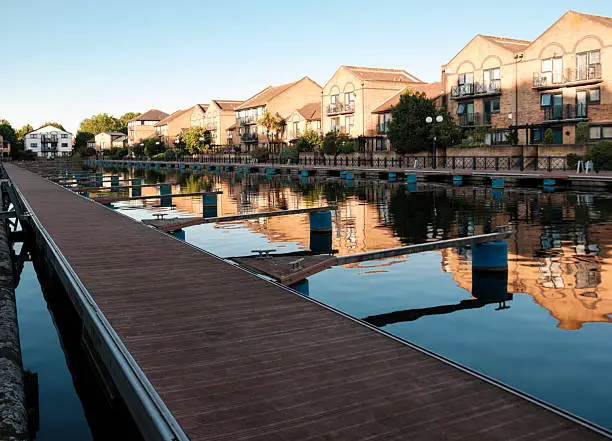
The Evolution of Waterfront Outdoor Living
For luxury homeowners, the water’s edge is no longer just a boundary; it is a canvas for architectural innovation. Modern waterfront properties are transforming simple boat tie-ups into expansive, multi-functional outdoor living spaces. This shift redefines how residents interact with lakes, rivers, and coastal fronts.
Rather than treating the dock as a purely utilitarian structure, landscape architects now view it as a highly curated Water-level patio. By seamlessly blending the main residence’s aesthetic with the aquatic environment, homeowners create a continuous flow from indoors to the water. This design philosophy maximizes both leisure potential and overall property appeal.
Upgrading to Modular Floating Docks: The End of Wooden Decking
For decades, property owners relied on treated timber for their private docks, often facing relentless maintenance battles against water rot and splintering. Today, landscape architects and luxury waterfront developers are shifting entirely toward High-Density Polyethylene modular solutions.
According to industry-leading manufacturers likeHisea Dock, these advanced floating systems eliminate the need for chemical treatments. They offer a zero-maintenance, highly durable foundation that seamlessly adapts to fluctuating water levels while preserving the aesthetic appeal of the property.
Traditional wooden docks deteriorate rapidly in damp environments, requiring constant staining, sealing, and dangerous hardware replacements. Metal structures fare no better, inevitably succumbing to rust and corrosion when exposed to continuous moisture and aquatic salinity.
In contrast, engineered HDPE platforms provide significant architectural and structural advantages:
- Absolute moisture resistance: The engineered polymer is completely non-porous, preventing internal rot and decay.
- Dynamic buoyancy: The system automatically rises and falls with tides, ensuring a perfectly level transition at all times.
- High load capacity: The buoyant cubes safely support heavy outdoor furniture, dining sets, and multiple guests.
- Safety-first surfaces: Built-in anti-skid textures prevent slipping, ensuring safety for barefoot walking in wet conditions.
Designing a Multi-Functional Water Patio
Seamless Mooring for Personal Watercraft
A premium waterfront estate must accommodate a variety of aquatic vessels without risking damage to the boats or the dock itself. Rigid fixed structures often create harsh friction against vessel hulls during tidal shifts, storms, or heavy wakes.
Modern floating modular systems solve this by utilizing soft, impact-absorbing edges and integrated drive-on ports. These specialized platforms allow jet skis, kayaks, and small tenders to glide smoothly out of the water for secure, dry storage.
By keeping vessels elevated and out of continuous water contact, owners prevent hull blistering and algae buildup. This seamless mooring experience protects expensive recreational investments while providing an elegant, uncluttered aesthetic for the property’s shoreline.
Expanding the Entertainment Footprint
The structural stability of modern HDPE cubes allows property owners to safely expand their entertainment footprint directly over the water. A custom-configured Water-level patio can effortlessly host sun loungers, dining arrangements, and integrated lounge enclosures.
By pushing the recreational boundary out onto the water, homeowners unlock entirely new vistas and social experiences. Guests can enjoy panoramic sunsets and immediate water access without the physical separation created by traditional land-bound retaining walls.
Furthermore, the modular nature of these systems means the layout can easily evolve. Owners can add sections for a summer party or reconfigure the shape to accommodate a newly purchased yacht. Integrating these dynamic upgrades is a proven strategy for maximizing long-term property value and home improvement.
Navigating Environmental Regulations for Private Waterfronts
Enhancing a waterfront property is not just an architectural endeavor; it requires strict adherence to local ecological guidelines. Traditional wood treatments often leach harmful toxins, such as arsenic and copper, into aquatic ecosystems.
By opting for inert, 100% recyclable HDPE floating platforms, homeowners can safely expand their outdoor living spaces without disrupting marine biodiversity. These eco-friendly structures require no invasive seabed piling, leaving delicate underwater habitats completely undisturbed.
It is crucial for property owners to consult the official guidelines for working near water to ensure that all renovations meet national environmental standards. Protecting the surrounding natural habitats is paramount for sustainable luxury living.
Aligning private waterfront development with strict ecological standards ensures that the beauty of the natural environment remains pristine. A sustainable approach guarantees that your investment respects nature, elevating both the property’s legacy and its seamless integration with modern outdoor living spaces.
