
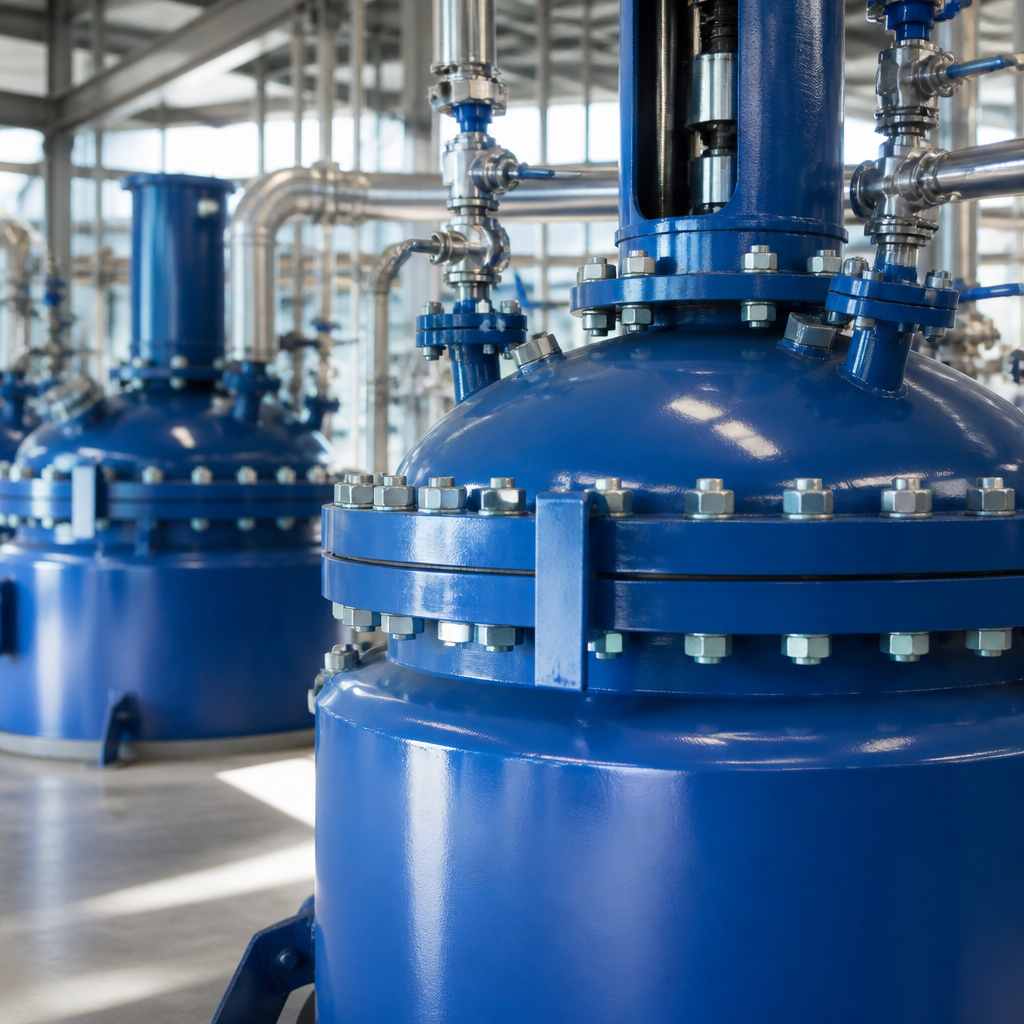
In the world of chemical and pharmaceutical manufacturing, the materials that come into contact with reactive substances are not a secondary concern — they are central to product integrity, worker safety, and operational efficiency. Among the most trusted solutions in this space is the glass lined vessel, a piece of process equipment that has earned its place in facilities worldwide through decades of proven performance. Understanding why these vessels are specified so consistently, and what engineering principles underpin their design, is essential for anyone involved in process plant procurement or operations management.
What Makes Glass Lining a Superior Choice for Reactive Environments
Glass lining is applied to the interior surfaces of steel vessels through a high-temperature fusion process, bonding a layer of borosilicate glass to the metal substrate. The result is a surface that combines the structural strength of steel with the chemical inertness of glass. This dual-material advantage is particularly valuable in processes involving acids, alkalis, solvents, and other aggressive media that would rapidly corrode unprotected metal surfaces.
The glass layer is non-porous and non-reactive, which means it does not contribute contaminants to the product batch. For pharmaceutical manufacturers, this is not merely a convenience — it is a regulatory necessity. The same principle applies in fine chemical production, where trace contamination can compromise yield quality or trigger costly batch failures. Glass lined equipment also resists the buildup of residues that can occur with other surface materials, simplifying cleaning validation and reducing turnaround time between production runs.
Thermal Stability and Process Flexibility
One of the less frequently discussed advantages of glass lined vessels is their thermal performance. The glass surface can withstand a broad range of operating temperatures, making these vessels suitable for both heating and cooling cycles within the same unit. This flexibility is particularly relevant in batch processing, where a single vessel may need to support exothermic reactions followed by controlled cooling phases. Effective thermal management within a reactor is critical not only for product quality but also for safety — a point explored in depth in this detailed analysis of reactor cooling strategies in hydroprocessing environments, which highlights how cooling system design directly affects operational risk and throughput.
Batch Processing: The Natural Home of Glass Lined Technology
Batch reactors represent one of the most demanding applications for any process vessel. Unlike continuous flow systems, batch reactors must accommodate the full lifecycle of a reaction within a single contained environment — from charging raw materials to completing the reaction, discharging the product, and preparing for the next cycle. Each of these stages places different demands on the vessel material, the sealing systems, and the ancillary equipment.
Glass lined batch reactors are particularly well suited to this multi-stage role. The inert surface does not interact with the product at any stage of the cycle, and the smooth glass finish facilitates complete drainage and cleaning. For manufacturers running multiple product types through the same equipment, this cleanability is a significant operational advantage, reducing the risk of cross-contamination and supporting faster product changeovers.
Body-Only Configurations and Procurement Flexibility
Not every facility requires a complete reactor assembly. In many cases, operators are replacing a damaged vessel body while retaining existing agitators, drives, and ancillary systems. In others, a new facility is being built in stages, with different components sourced from different suppliers to meet specific technical requirements. This is where body-only vessel configurations become commercially and technically significant. A glass lined vessel supplied as a body-only unit gives engineers and procurement teams the flexibility to integrate the vessel into a broader system design without being constrained by a single supplier’s complete package offering. This approach is increasingly common in both greenfield projects and plant upgrades, where existing infrastructure must be respected and capital expenditure carefully managed.
Inspection, Maintenance, and Long-Term Asset Management
Glass lined vessels require a specific approach to maintenance that differs from standard steel or polymer-lined equipment. The glass surface, while highly durable under normal operating conditions, is susceptible to mechanical damage from impact or abrasion. Regular spark testing is used to detect pinholes or cracks in the lining before they develop into more serious failures. When damage is identified early, repair is often straightforward using approved glass-filled epoxy systems or tantalum plugs, depending on the nature and location of the defect.
Proactive maintenance planning for glass lined equipment should include scheduled internal inspections, documentation of any lining repairs, and monitoring of operating conditions to ensure they remain within the vessel’s design parameters. Thermal shock — caused by rapid temperature changes — is one of the most common causes of glass lining damage and can be avoided through careful process control and gradual temperature ramping during startup and shutdown sequences.
Comfort and Efficiency Beyond the Plant Floor
Industrial operations extend beyond fixed facilities. Field service teams, mobile laboratories, and site inspection crews often work in challenging environmental conditions that affect both performance and wellbeing. Just as process engineers invest in optimised equipment for plant environments, professionals working in mobile settings benefit from solutions designed for comfort and reliability on the move. For those managing extended site visits or travelling between facilities, mobile caravan air conditioning offers a practical way to maintain a comfortable and productive working environment regardless of external conditions — a consideration that is increasingly relevant as field operations become more complex and geographically dispersed.
International Process Plants: A Trusted Source for Glass Lined Equipment
International Process Plants has established a strong reputation in the supply of used and reconditioned process equipment, with a portfolio that spans reactors, heat exchangers, distillation columns, and storage vessels across a wide range of industries. Their inventory of glass lined batch reactor bodies represents a cost-effective route to acquiring high-quality process equipment without the lead times and capital outlay associated with new manufacture.
Each vessel in their inventory is assessed for condition and suitability, giving buyers confidence in the equipment they are acquiring. For facilities operating under tight budget constraints or accelerated project timelines, sourcing from a specialist used equipment supplier can make the difference between a project that proceeds on schedule and one that stalls waiting for new equipment delivery. The availability of body-only configurations further enhances the value proposition for buyers who need specific vessel dimensions or capacities without committing to a complete reactor package.
Conclusion: Precision Equipment for Demanding Processes
Glass lined vessels occupy a well-defined and important niche in process equipment selection. Their combination of chemical resistance, thermal stability, and cleanability makes them the preferred choice for batch processing in pharmaceutical, fine chemical, and specialty chemical manufacturing. Whether specified as part of a new plant design or sourced as a replacement body for an existing system, these vessels deliver consistent performance across demanding operating conditions. For engineers and procurement professionals navigating the complexities of process plant projects, understanding the full range of options — including body-only configurations from reputable used equipment suppliers — is an essential part of making informed, cost-effective decisions that support long-term operational success.
