
A garage door that suddenly stops working is more than an inconvenience—it’s a security risk, a disruption to your routine, and sometimes a sign of something that needs immediate attention. One of the most common culprits behind a non-functioning garage door is a broken spring. It’s a problem that happens more often than most homeowners expect, and when it does, the results can range from a door that won’t open to one that comes crashing down without warning.
Expert Garage Door Service has seen it all. From single-car garages to oversized commercial bays, spring failures are one of the top reasons customers call for emergency repairs. Understanding what causes them—and what to do when one fails—can save you time, money, and a whole lot of stress.
What Do Garage Door Springs Actually Do?
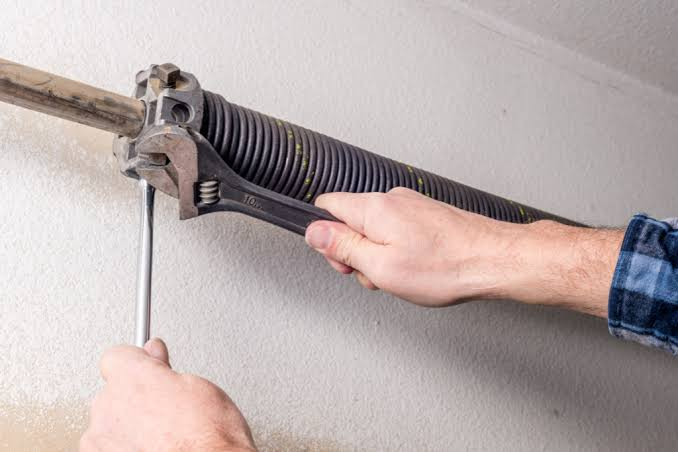
Garage door springs are the unsung heroes of your entire system. They carry the weight of the door, counterbalancing it so the opener motor doesn’t have to work overtime. Without functioning springs, even the most powerful opener can’t lift a standard garage door safely.
There are two main types:
- Torsion springs – Mounted horizontally above the door opening, these twist and unwind to generate lifting force. They’re the more common choice for modern residential and commercial doors.
- Extension springs – Found on either side of the door track, these stretch and contract as the door moves. They’re typically used on lighter doors and older installations.
Both types are under enormous tension at all times. That tension is precisely what makes them effective—and precisely what makes a failure so sudden and dramatic.
Why Do Garage Door Springs Break?
Springs don’t last forever. Most are rated for a specific number of cycles, with one cycle being a single open-and-close movement. A standard torsion spring is typically rated for around 10,000 cycles. For a household that uses the garage twice a day, that’s roughly 13 to 14 years of use under ideal conditions.
But ideal conditions are rare. Several factors accelerate spring wear:
Rust and corrosion — Moisture is a spring’s worst enemy. Once rust sets in, the coils weaken and friction increases during every movement.
Lack of lubrication — Springs that aren’t regularly lubricated wear faster. A simple application of garage door lubricant every few months can significantly extend their lifespan.
Temperature fluctuations — In regions with harsh winters or extreme summers, metal expands and contracts repeatedly. Over time, this thermal stress contributes to metal fatigue.
Improper installation or sizing — A spring that wasn’t correctly matched to the door’s weight will be under more stress than it was designed to handle, shortening its effective lifespan considerably.
How to Recognize a Broken Spring Before It Becomes a Crisis
Most homeowners don’t realize they have a spring problem until the door simply refuses to move. But there are warning signs worth knowing:
- A loud bang from the garage, often compared to the sound of a gunshot—this is the spring snapping
- The door opens a few inches and then stops
- Visible gaps or separations in the spring coil
- The door feels unusually heavy when lifted manually
- One side of the door appears lower than the other when opening
If you notice any of these signs, stop using the door immediately. Continuing to operate a garage door with a broken or damaged spring puts stress on the opener motor and cables, potentially creating additional and more costly damage.
Why Professional Spring Replacement Is the Only Safe Option
This is one repair that belongs firmly in the hands of a professional. Garage door springs store an extraordinary amount of mechanical energy. Attempting to replace them without the right tools and training is genuinely dangerous—improper handling has caused serious injuries.
Broken Spring repairs handled by a certified technician restore your door to full working condition quickly, safely, and with parts matched specifically to your door’s weight and dimensions—so you’re not left with a temporary fix that fails again in six months.
Expert Garage Door Service technicians arrive equipped with everything needed to diagnose the problem, remove the failed spring safely, and install a replacement that meets the manufacturer’s specifications. The job is typically completed in a single visit, meaning minimal disruption to your day.
What Sets Expert Garage Door Service Apart
Speed matters when a broken spring leaves your car trapped inside—or worse, your home exposed because the door won’t close. Expert Garage Door Service offers fast response times, transparent pricing, and technicians who explain exactly what’s wrong and what it will take to fix it.
Every spring replacement comes with a focus on durability. Rather than installing the cheapest option available, the team matches each spring to the door’s specific requirements, factoring in weight, cycle expectations, and environmental conditions. The goal is a repair that lasts.
Customers also benefit from advice on how to maintain their springs going forward—simple steps like periodic lubrication and visual inspections that can push a spring’s lifespan well beyond its rated cycle count.
Don’t Wait for a Complete Failure
A spring that’s showing signs of wear won’t fix itself. The longer it operates in a compromised state, the greater the risk of a sudden failure—and the more damage that failure can cause to surrounding components like cables, drums, and the opener itself.
Scheduling a spring inspection before a full break occurs is always the smarter move. Expert Garage Door Service offers inspections that assess not just the springs but the entire door system, identifying anything that could cause problems down the road.
A functioning garage door is something most people take for granted—until it stops working. With the right team handling your broken spring repair, it doesn’t have to be a stressful experience. Fast, professional, and done right the first time: that’s the Expert Garage Door Service standard.
Frequently Asked Questions
How long does a broken spring repair take?
Most broken spring repairs are completed within one to two hours. Expert Garage Door Service technicians come prepared with the right tools and parts, allowing most jobs to be finished in a single visit.
Can I still use my garage door if a spring is broken?
No. Operating a garage door with a broken spring risks damaging the opener motor, snapping the cables, and creating a safety hazard. The door should remain closed and unused until a professional completes the repair.
How much does it cost to replace a garage door spring?
Costs vary depending on the type of spring, the size of the door, and local labor rates. Contact Expert Garage Door Service directly for an accurate quote based on your specific door and situation.
Should both springs be replaced at the same time?
If your door has two springs and one breaks, replacing both at the same time is strongly recommended. Since both springs have experienced the same amount of wear, the second is likely to fail soon after the first. Replacing them together saves on labor and prevents a second service call in the near future.
How can I make my garage door springs last longer?
Lubricate the springs every three to six months using a garage door-specific lubricant. Avoid using WD-40, which can strip existing lubrication. Schedule periodic inspections to catch early signs of wear before they become failures.
VIST: nestivomagazine.co.uk
