
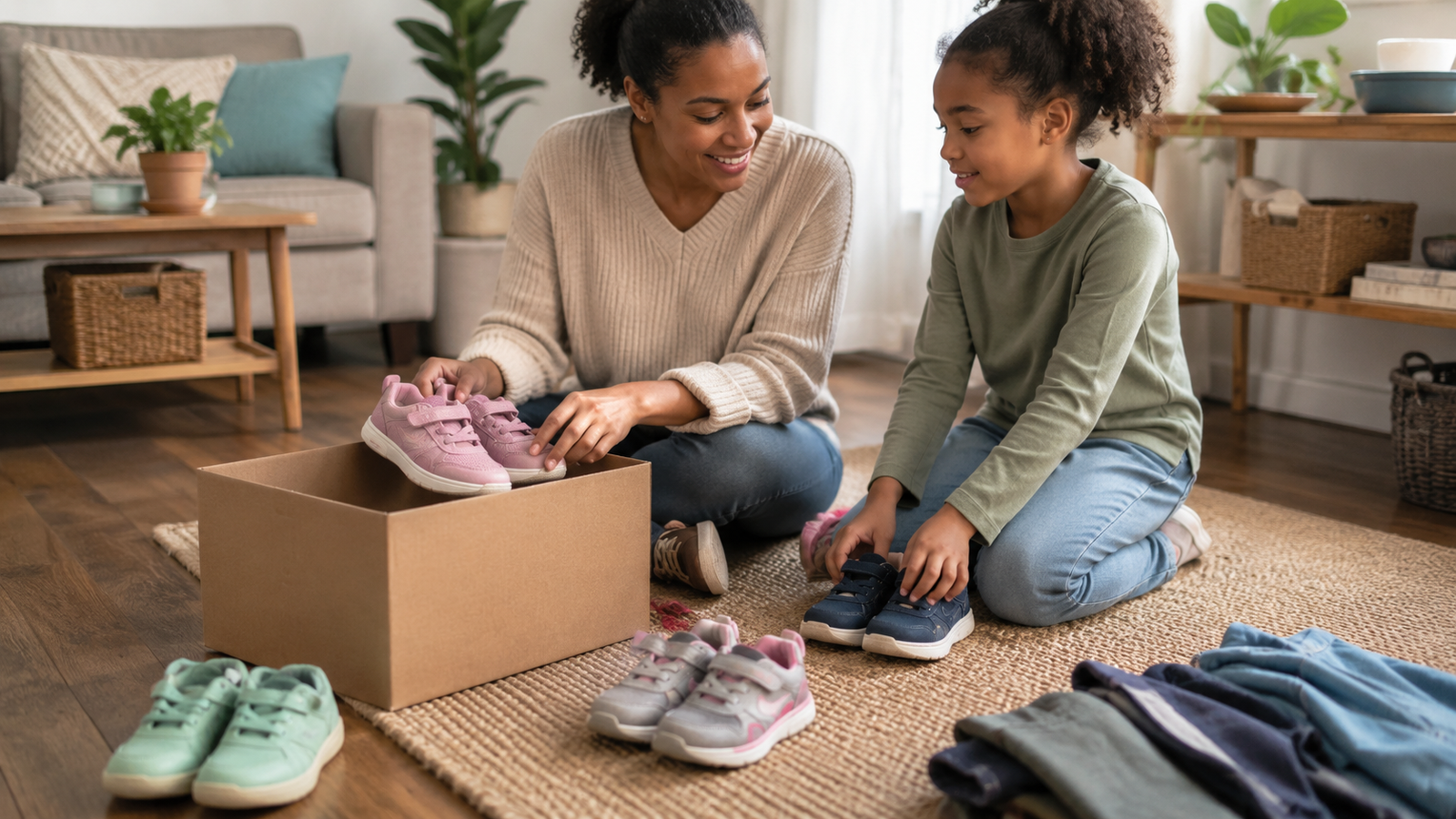
Building a Practical Shoe Rotation for School, Travel, and Weekend Activities
Children rarely spend their entire week doing the same activity. One day may include school lessons and playground time, while another may involve a family trip, a birthday party, or a relaxed weekend outdoors. Their footwear needs can change with each situation, which is why parents often benefit from planning a small and practical shoe rotation instead of buying several pairs without a clear purpose.
A versatile pair of Kids Sneakers can form the foundation of that rotation because it can work across many parts of a child’s routine. The right sneakers can be worn for school, casual outings, light physical activities, and travel. By choosing footwear carefully, parents can create a useful collection that offers comfort, variety, and value without filling the wardrobe with unnecessary options.
Why a Shoe Rotation Can Be Useful
Children’s shoes face regular pressure from walking, running, climbing, and outdoor play. Wearing the same pair every day may cause it to become worn, damp, or misshapen more quickly. A simple rotation gives each pair time to air out and recover between uses.
This does not mean children need a large shoe collection. In many cases, two or three carefully selected pairs can cover most daily needs. The goal is to choose footwear that serves a clear purpose rather than buying several similar designs.
A practical rotation may include an everyday sneaker, a more weather-resistant option, and a smarter pair for formal occasions.
Start with the Child’s Weekly Routine
Before choosing shoes, parents should think about how the child spends a typical week. Consider school requirements, travel distance, playtime, sports, family visits, and weekend activities.
A child who walks to school may need durable soles and strong grip. A child who spends more time indoors may benefit from lightweight and breathable footwear. Someone who frequently attends outdoor activities may need shoes that are easy to clean.
Understanding the routine helps parents focus on useful features instead of selecting shoes based only on appearance.
Everyday Sneakers as the Main Pair
For many children, sneakers are the most frequently worn shoes in the wardrobe. They are generally suitable for school, shopping trips, visits to friends, and relaxed family activities.
The main pair should have a secure fit, a comfortable lining, and a flexible sole. Neutral or easy-to-match colors can make the shoes more versatile because they work with uniforms, jeans, shorts, dresses, and casual outfits.
The everyday pair should also be easy for the child to put on and remove. This is particularly important for younger children who are learning to manage their own belongings.
Choosing a Backup Pair
A backup pair is helpful when the main shoes become wet, dirty, or temporarily uncomfortable. It can also reduce the pressure placed on one pair throughout the week.
The backup does not need to be identical. Parents may choose a different color, fastening style, or material. However, it should still be comfortable enough for regular wear.
Having a second dependable pair can make mornings easier, especially when there is no time to clean or dry the child’s usual shoes.
School Footwear Needs Practical Features
School shoes are often worn for several hours at a time, so comfort is essential. Children may sit during lessons, walk between classrooms, climb stairs, and play during breaks.
Useful school footwear features include:
- Secure fastenings that keep the foot in place
- Flexible soles that support natural walking
- Breathable materials for long periods of wear
- Easy-clean surfaces for everyday marks
- Colors that follow the school dress code
Parents should check school rules before purchasing. Some schools allow casual sneakers, while others may require particular colors or styles.
Travel Shoes Should Be Easy and Comfortable
Family trips often involve more walking and waiting than children expect. Airports, railway stations, shopping areas, parks, and tourist attractions can all place extra pressure on the feet.
Travel shoes should be lightweight, secure, and comfortable for extended wear. Complicated fastenings may become inconvenient during security checks, rest stops, or quick changes.
It is also useful to choose a design that works with several outfits. This reduces the number of shoes that need to be packed and leaves more luggage space for other essentials.
Weekend Activities May Need Extra Flexibility
Weekends can include many different plans, from visiting relatives to playing in the garden. A practical shoe should be able to handle these changes without making the child feel restricted.
Flexible footwear supports quick movement and makes it easier for children to enjoy active play. At the same time, the shoe should provide enough structure to protect the toes and keep the heel stable.
When selecting Kids Sneakers, parents can consider whether the design is suitable for both indoor and outdoor use. A balanced option can reduce the need to change shoes several times during a busy day.
Match Shoes with Different Outfits
Children’s footwear should be practical, but it can still contribute to a well-planned outfit. Sneakers are available in simple, colorful, sporty, and playful designs, making them easy to combine with different clothing styles.
Neutral shades often work well for school and everyday use. Brighter colors can add personality to weekend clothing. Parents may also choose one pair with a simple design and another that reflects the child’s favorite colors.
The aim is not to match every outfit perfectly. Instead, choose shoes that work with most of the child’s existing clothes.
Seasonal Changes Affect Footwear Choices
Weather conditions can change what a child needs from everyday shoes. During warmer months, breathable materials and lightweight construction can help keep feet more comfortable.
In cooler weather, slightly more protective uppers may be useful. On rainy days, parents may prefer a water-resistant option rather than allowing everyday sneakers to remain wet for long periods.
Sneakers should be dried naturally after exposure to moisture. Strong direct heat may damage materials, adhesives, or the shape of the shoe.
Size Changes Should Be Checked Regularly
Children’s feet can grow quickly, sometimes before the shoes show obvious signs of wear. A pair may still look new while becoming too tight inside.
Parents should check the fit every few months and pay attention to the child’s feedback. Red marks, sore toes, heel rubbing, or reluctance to wear a particular pair may indicate a sizing problem.
There should be enough room for natural toe movement, but the shoe should not feel loose. Excess movement inside the shoe can cause friction and reduce stability.
Avoid Buying Shoes Too Large
Some parents buy shoes several sizes larger in the hope that they will last longer. Although this may appear economical, oversized footwear can make walking awkward and uncomfortable.
A shoe that is too large may slip at the heel, bend in the wrong place, or cause the child to grip with the toes. This can reduce confidence during running and play.
A small amount of growing room is sensible, but the shoe should still fit securely at the time of purchase.
Look for Quality in the Right Areas
A higher price does not automatically mean a shoe is ideal for every child. Parents should focus on construction, comfort, and suitability for the intended use.
Check the stitching, sole attachment, lining, heel area, and fastening system. The sole should feel strong enough for regular wear but flexible enough for natural movement.
Reinforced toe areas can be helpful for active children, especially those who frequently play outdoors or use scooters and bicycles.
Teach Children Simple Shoe Care
Children can learn basic habits that help their shoes stay in better condition. They can be encouraged to remove shoes carefully instead of stepping on the heel, loosen the fastening before taking them off, and place them in a dry area after use.
Parents can wipe away dirt, remove stones from the sole, and check for damage. Shoe care does not need to be complicated, but regular attention can prevent small problems from becoming larger ones.
Keeping shoes clean also makes it easier to notice worn areas, loose stitching, or changes in shape.
Know When a Pair Should Be Replaced
Shoes should not be kept simply because they still fit. Worn soles, damaged fastenings, torn linings, or reduced grip may mean the footwear no longer provides dependable comfort.
Uneven wear can also affect how the child walks. Parents should inspect the shoes from different angles and compare both sides.
A pair should be replaced when it becomes uncomfortable, badly worn, too small, or unsuitable for the child’s current activities.
Create a Rotation Without Overspending
A useful shoe rotation does not require a large budget. Parents can begin with one versatile everyday pair and add another option only when there is a clear need.
Choosing designs that work across several situations can reduce unnecessary purchases. Proper care, regular rotation, and timely size checks can also help families receive better value from each pair.
It is usually more practical to own a few comfortable and dependable shoes than several pairs that are rarely worn.
Final Thoughts
A carefully planned shoe rotation can make everyday life easier for both parents and children. The most useful collection should reflect the child’s school routine, weekend activities, travel needs, clothing, and local weather.
Comfort, secure fitting, flexibility, and durability should remain the main priorities. Style can then be used to add personality and make the child feel more confident about what they wear.
By starting with a versatile everyday pair and adding only the footwear that serves a genuine purpose, parents can create a balanced collection without unnecessary expense. Families looking for practical and stylish children’s footwear can explore suitable choices through bebenelle.com.
