
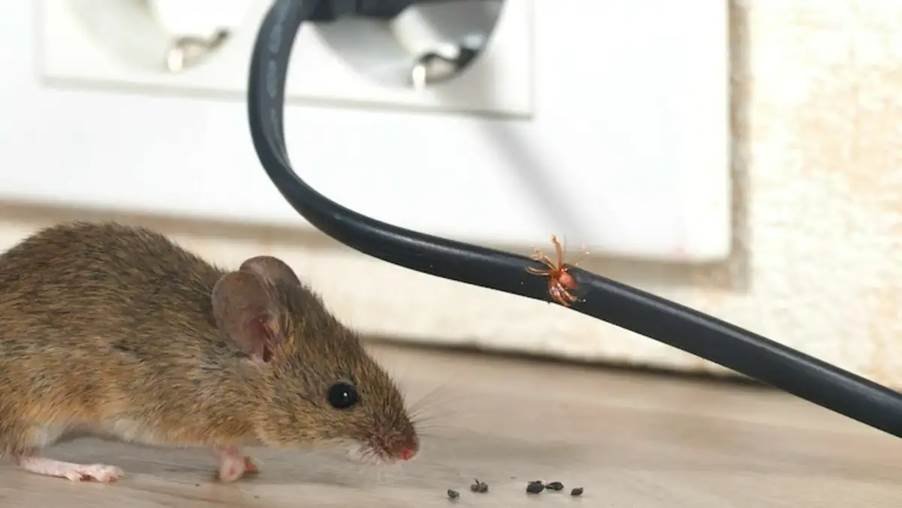
Commercial properties are valuable investments, but they are also attractive environments for pests. Among the most common and destructive are birds and rodents. While a few pigeons on a rooftop or the occasional mouse indoors may not seem alarming, these pests can quickly become a serious problem if left unmanaged. They damage buildings, contaminate workspaces, create health risks, and can even harm a company’s reputation.
Whether you manage an office building, retail store, warehouse, restaurant, or industrial facility, understanding how birds and rodents affect commercial properties is essential. Investing in preventative pest management today can save significant repair costs and operational disruptions in the future.
Why Commercial Buildings Attract Birds and Rodents
Commercial properties often provide everything pests need to survive:
- Reliable food sources
- Warm shelter
- Hidden nesting areas
- Minimal disturbance during off-hours
- Easy access through small gaps and structural openings
Urban environments are especially appealing because waste bins, food deliveries, storage rooms, roof spaces, and drainage systems create ideal habitats for both birds and rodents.
When pests establish themselves, they multiply quickly, making early intervention critical.
The Hidden Damage Caused by Birds
Birds, particularly pigeons, frequently settle on rooftops, ledges, ventilation systems, and signage. Although they may appear harmless, their presence can create expensive maintenance issues over time.
By implementing professional Pigeon Control, businesses can significantly reduce structural damage, health risks, and ongoing maintenance expenses before infestations become severe.
1. Roof Damage
Bird nests block gutters and roof drainage systems. During heavy rainfall, blocked drains allow water to accumulate, increasing the risk of leaks and water damage.
Over time, standing water weakens roofing materials and insulation, resulting in costly repairs.
2. Corrosion from Bird Droppings
Bird droppings are highly acidic. Continuous exposure can damage:
- Metal roofing
- Air conditioning units
- Solar panels
- Painted surfaces
- Building facades
- Outdoor equipment
The longer droppings remain untreated, the greater the structural deterioration.
3. Blocked Drainage Systems
Feathers, nesting materials, and debris clog gutters and downpipes.
Blocked drainage may lead to:
- Flooded roofs
- Internal water damage
- Damp walls
- Mold growth
- Foundation issues
Routine inspections help identify these problems before they escalate.
4. Health Risks
Bird droppings may carry bacteria, fungi, and parasites that pose health concerns for employees and visitors.
Dust from dried droppings can become airborne during cleaning or maintenance work, increasing exposure risks if handled improperly.
5. Damage to Business Reputation
Customers often associate visible bird infestations with poor hygiene.
Bird droppings around entrances, outdoor seating, loading docks, or storefronts create a negative first impression that can discourage potential clients.
How Rodents Damage Commercial Properties
Rodents are among the most destructive pests found in commercial environments. Mice can enter buildings through openings as small as 6 mm, allowing them to spread throughout a property before anyone notices.
Unlike birds, rodents typically remain hidden inside walls, ceilings, basements, and storage areas, making infestations difficult to detect.
1. Electrical Damage
Rodents constantly gnaw to keep their teeth from overgrowing.
Unfortunately, electrical wiring becomes one of their favorite targets.
Damaged wiring may cause:
- Equipment failures
- Power outages
- Data loss
- Electrical shorts
- Fire hazards
Electrical repairs alone can cost thousands of pounds.
2. Structural Damage
Rodents chew through numerous building materials, including:
- Wood
- Drywall
- Plastic pipes
- Insulation
- Ceiling tiles
- Packaging materials
Continuous chewing weakens structural components and increases maintenance costs.
3. Product Contamination
Warehouses, restaurants, retail stores, and food production facilities face significant risks from rodents.
Mice contaminate products through:
- Droppings
- Urine
- Hair
- Nesting materials
Entire inventories may require disposal if contamination is discovered.
4. Damage to Stored Goods
Rodents destroy inventory by chewing through:
- Cardboard boxes
- Paper products
- Clothing
- Electrical equipment
- Furniture
- Food packaging
Businesses often experience financial losses well before realizing an infestation exists.
5. Operational Disruptions
A serious rodent infestation may force businesses to temporarily close for cleaning, inspections, repairs, or regulatory compliance.
Downtime leads to:
- Lost revenue
- Reduced productivity
- Customer complaints
- Negative online reviews
- Higher operating costs
Industries Most at Risk
Almost every commercial property can experience bird or rodent problems, but some industries are especially vulnerable.
High-risk sectors include:
- Restaurants
- Cafés
- Hotels
- Warehouses
- Supermarkets
- Shopping centres
- Manufacturing facilities
- Schools
- Hospitals
- Office buildings
- Food processing plants
Businesses storing food or maintaining large storage spaces require particularly proactive pest prevention.
Warning Signs You Should Never Ignore
Early detection helps minimise repair costs and prevents infestations from spreading.
Watch for signs such as:
- Bird nests around roofs
- Large numbers of pigeons gathering daily
- Bird droppings on walkways
- Scratching noises inside walls
- Gnawed cables
- Mouse droppings
- Unusual odours
- Damaged packaging
- Grease marks along walls
- Nesting materials in storage rooms
Professional inspections should be arranged as soon as these warning signs appear.
Preventing Bird and Rodent Damage
The best strategy is prevention rather than reacting after damage occurs.
Property managers should:
- Seal entry points around doors, vents, and pipes.
- Keep rubbish bins tightly covered.
- Remove standing water.
- Store food in sealed containers.
- Maintain regular cleaning schedules.
- Inspect roofs and gutters frequently.
- Trim vegetation touching buildings.
- Schedule routine pest inspections.
Consistent maintenance greatly reduces the likelihood of infestations.
The Value of Professional Pest Management
While DIY methods may temporarily reduce pest activity, commercial infestations usually require professional expertise.
Experienced pest specialists understand pest behaviour, identify hidden nesting sites, and implement long-term solutions tailored to commercial environments.
Near the first signs of rodent activity, businesses should consider professional Mouse Pest Control London services to eliminate infestations safely, protect property, and minimise future risks without disrupting daily operations.
Long-Term Financial Benefits
Preventative pest management is often far less expensive than repairing extensive damage caused by birds and rodents.
Businesses benefit through:
- Lower maintenance costs
- Reduced repair expenses
- Improved employee safety
- Better regulatory compliance
- Stronger customer confidence
- Longer building lifespan
- Protection of inventory and equipment
A proactive approach also helps avoid unexpected emergency callouts.
Conclusion
Birds and rodents may seem like minor nuisances initially, but their long-term impact on commercial properties can be substantial. From damaged roofs and blocked drainage systems to contaminated products, electrical hazards, and costly repairs, these pests create problems that affect both business operations and profitability.
Regular inspections, proper sanitation, structural maintenance, and professional pest management provide the strongest defence against infestations. By addressing issues early, commercial property owners can protect their buildings, employees, customers, and investments while ensuring their businesses continue operating safely and efficiently for years to come.
