
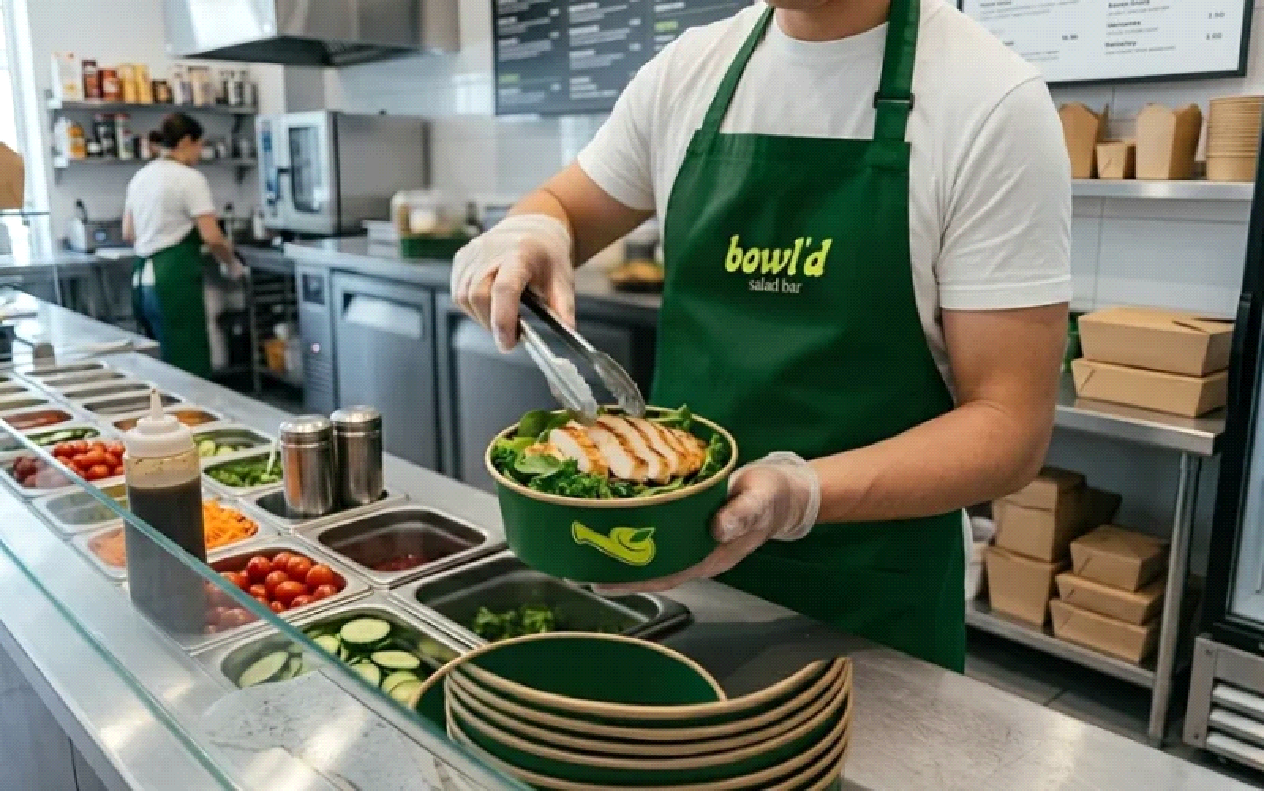
Price and minimum order quantity have never been the only variables in choosing a takeaway packaging supplier but starting in 2026, the supplier’s country of manufacture has become a variable that can change your landed cost outright. Molded fiber products manufactured in China or Vietnam, including bagasse bowls and clamshells, were hit with US antidumping duties exceeding 477% in January 2026. The same product category manufactured in Thailand is not subject to that order.
This guide isn’t another rundown of packaging materials or box types. It’s a framework for evaluating the supplier itself what to verify before you trust a certification claim, how minimum order quantities actually work, and what a normal sample-to-bulk process looks like, so you know what “normal” is before a supplier tells you otherwise.
Why supplier country is now a cost variable, not just a sourcing preference
On January 27, 2026, the US Department of Commerce issued final antidumping and countervailing duty orders on thermoformed molded fiber products the packaging category that includes bagasse and pulp-molded bowls, plates, and clamshells originating from China and Vietnam. The duty rates are not a rounding error: reporting on the case put certain Chinese producers at duties exceeding 540% when antidumping and countervailing duties are combined, with a 477%-plus antidumping rate alone, and Vietnamese producers facing duties above 260%.
The official order text is specific about scope, and it draws a direct contrast that matters for buyers comparing supplier countries: products already covered by existing antidumping and countervailing duty orders on paper plates from China, Thailand, and Vietnam are excluded from this new order — and critically, the new January 2026 order itself applies only to China and Vietnam. Thailand is not named as a subject country in this specific determination.
The practical implication is not “Thailand is always cheaper” as a blanket rule trade remedy orders are product-specific and can change. Thailand has, in the past, been named in separate antidumping proceedings for other paper product categories like paper plates, so country of origin needs to be checked against the specific HS code and product category you’re sourcing, not assumed as a general rule. What changed in 2026 is that for this specific category molded fiber food packaging the cost gap between sourcing from China or Vietnam versus other manufacturing countries can now be the difference between a viable landed cost and a non-viable one. Any supplier evaluation in 2026 needs to include a direct question about manufacturing country and current trade remedy exposure, not just unit price.
What to verify before trusting a supplier’s certification claims
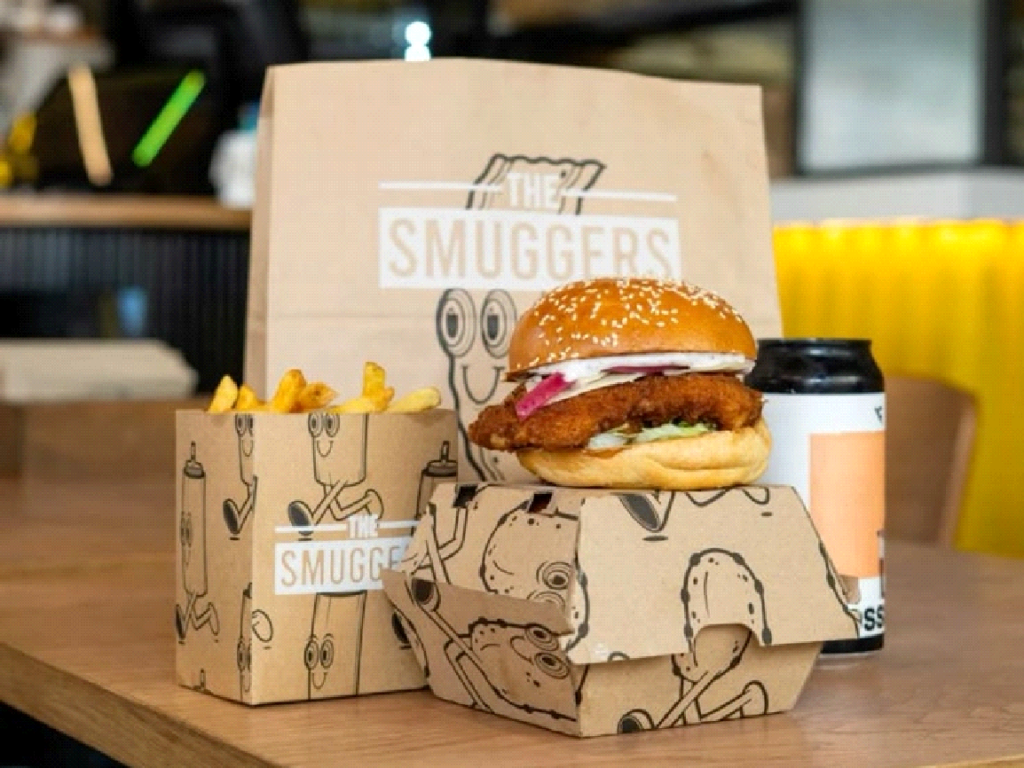
A claimed FDA, BPI, or food-grade certification is only as reliable as your ability to verify it independently and the verification step is the one most buyers skip. A logo on a product page or a PDF with no report number proves nothing.
One sourcing guide focused specifically on packaging buyers states the rule plainly: if a supplier makes excuses, refuses to provide the original certificate PDF with a report number, or claims the certificate is a “trade secret,” the appropriate response is to walk away, because legitimate factories proudly display their verifiable reports. This is a useful bright line, because legitimate certifications are inherently checkable — BPI maintains a public product database, FDA Food Contact Notifications are tied to specific manufacturers and uses, and accredited lab reports carry a report number that the testing body itself can confirm.
The same source notes that FDA test reports issued by labs based in China are valid for US import purposes, provided the lab is internationally accredited reports from globally recognized agencies like SGS, Intertek, or TÜV Rheinland operating branches in China carry the same weight as reports from their home-country labs. The accreditation of the testing lab matters more than its physical location.
Three things to request before placing a bulk order: the certificate or report number itself (not just a name or logo), the date of issue and any renewal terms, and confirmation that the certification covers the specific product SKU and material formulation you’re ordering not just the supplier’s product category in general.
How MOQ actually works for custom takeaway packaging and why it’s not arbitrary
Minimum order quantity often reads as a supplier being inflexible. In most cases it’s closer to a physical constraint than a negotiating position understanding why makes the negotiation itself more productive.
MOQ exists because production setup costs don’t scale down. Custom tooling, printing plates, and material minimums from a supplier’s own upstream vendors all have fixed costs that have to be spread across a production run. As one packaging-focused sourcing analysis puts it, true manufacturers require MOQs not to create friction for buyers, but because of the unavoidable physics of industrial production a distinction that matters when comparing a factory’s MOQ against a trading company’s lower-but-less-reliable minimum, which is often achieved by pooling leftover stock from multiple unknown workshops rather than running a dedicated production batch.
MOQ is genuinely negotiable in some cases, but the lever is usually structural rather than purely transactional. Buyers can sometimes reduce MOQ by accepting simpler customization (a logo applied to an existing mold rather than a fully custom shape), by proposing a smaller trial order with a documented commitment to a larger follow-up run, or by using standard material and component options rather than fully bespoke specifications. A supplier who immediately drops their MOQ with no change in product specification is also worth scrutinizing it can indicate the original MOQ wasn’t grounded in real production economics to begin with.
Sample-to-bulk process: what a reliable supplier’s workflow actually looks like
Knowing the standard shape of this process in advance makes it easier to spot when a specific supplier’s process is unusually slow, unusually opaque, or skipping steps that protect the buyer.
- Initial inquiry and quotation sharing product specifications (material, size, intended use, target market) and receiving a detailed quote covering unit price, MOQ, and estimated lead time. This typically takes 24–48 hours with a responsive supplier.
- Sample request and approval — most legitimate manufacturers charge a sample fee, often in the $10–100 range depending on customization complexity, frequently deductible from a future bulk order. Simple stock samples can ship within days; fully custom samples requiring new tooling can take several weeks.
- Design and specification finalization confirming artwork files (vector formats for any custom printing), material specifications, and any required certifications in writing before production begins.
- Bulk production lead time varies by product complexity and order volume, but buyers should request a specific production timeline in writing, not a general estimate, and should understand what happens contractually if that timeline slips.
- Quality inspection before shipment, ideally via a third-party inspection service (SGS, Intertek, QIMA performing AQL sampling) rather than relying solely on the supplier’s internal QC. The buyer typically covers this cost, though it can sometimes be negotiated as a shared expense.
- Shipping and documentation final packing list, commercial invoice, and certificate of origin should be confirmed as complete before the shipment leaves, since these documents are required for customs clearance and become harder to correct after the fact.
A practical supplier evaluation checklist
The sections above translate into five concrete areas to evaluate before committing to a supplier relationship not as a one-time gate, but as a framework to revisit at each major reorder or contract renewal.
Supplier evaluation checklist at a glance
| Evaluation Area | What to Ask | Warning Sign |
| Certification | Can you send the original certificate PDF and report/license number? | Supplier calls the certificate a “trade secret” or only sends a logo image |
| Country of Origin | Where exactly is this product manufactured, and is that country currently subject to any AD/CVD orders for this product category? | Supplier is vague about manufacturing location or mentions “transshipment” casually |
| MOQ Structure | Is this MOQ driven by tooling, material minimums, or both? What changes if I order below it? | Supplier gives a flat MOQ with no explanation and won’t discuss a trial order |
| Sample Process | What’s the sample cost, lead time, and is it deductible from a bulk order? | No paid sample option offered, or samples take longer than 3–4 weeks with no explanation |
| Quality Control | Do you provide third-party inspection (SGS, Intertek, QIMA) before shipment, and who pays? | Supplier discourages third-party inspection or has no documented QC process |
