
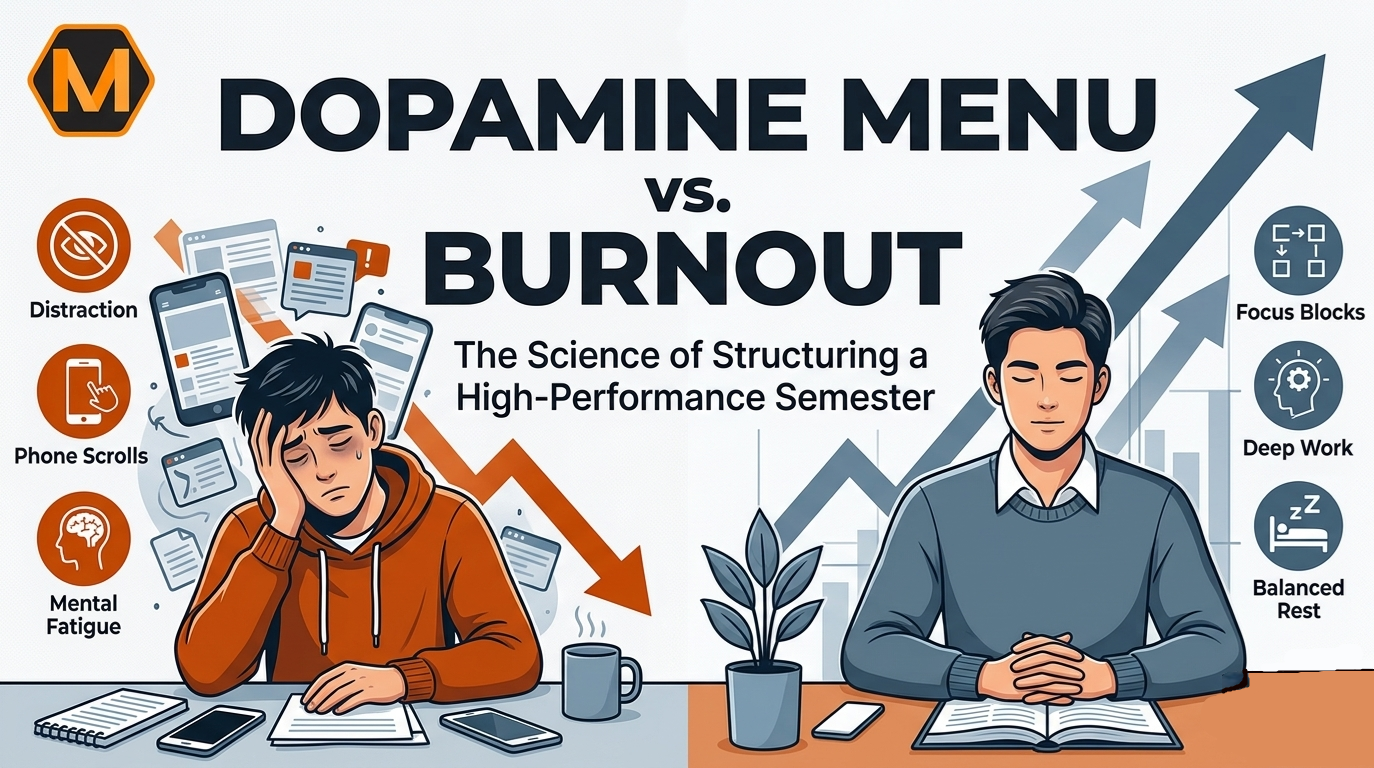
The modern academic landscape has transformed into a high-speed digital marathon. For many college students, the initial excitement of a new semester quickly dissolves into a cycle of endless notifications, late-night cramming, and a mounting sense of exhaustion. This isn’t just “being busy”—it is a physiological state known as burnout. When the brain’s reward system is constantly overstimulated by short-term digital hits and high-pressure deadlines, it eventually loses its ability to stay motivated. To combat this, a new psychological framework has emerged: the Dopamine Menu. By shifting from a reactive mindset to a proactive, science-backed structure, students can regulate their nervous systems and maintain peak cognitive performance throughout the year.
The transition from chronic stress to a high-performance semester requires a deep understanding of how our brain fuel works. Traditional productivity advice often tells students to “just work harder,” but this frequently leads to decision fatigue and deeper cognitive load. Instead of pushing through the mental fog, successful students are now using dopamine starters and focus blocks to keep their motivation sustainable. For those managing complex data sets or high-stakes academic projects, seeking professional research paper help through myassignmenthelp can be a strategic way to offload heavy cognitive burdens while maintaining high standards. This approach allows the brain to rest and recalibrate, ensuring that mental energy is preserved for deep learning rather than just administrative survival.
Understanding the Bio-Chemistry of Student Burnout
Burnout is not a character flaw; it is a neurological response to prolonged stress. In a university setting, students are often bombarded with “cheap dopamine”—the instant gratification we get from social media, video games, or even the small rush of clearing a simple email. While these provide a temporary lift, they don’t offer the brain fuel required for complex tasks like systematic literature reviews or critical analysis. Over time, this reliance on quick hits leads to a “dopamine crash,” leaving the student feeling unmotivated, irritable, and physically drained.
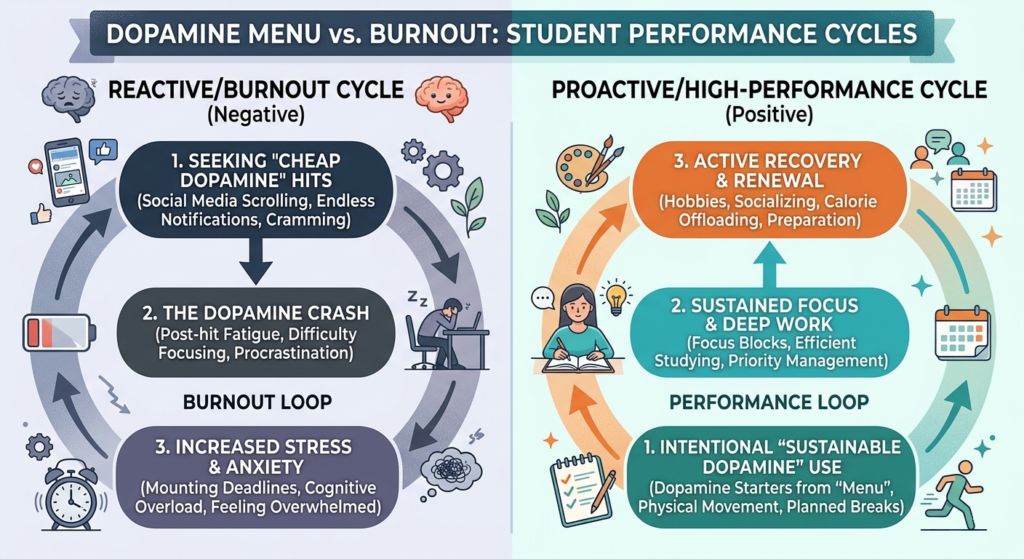
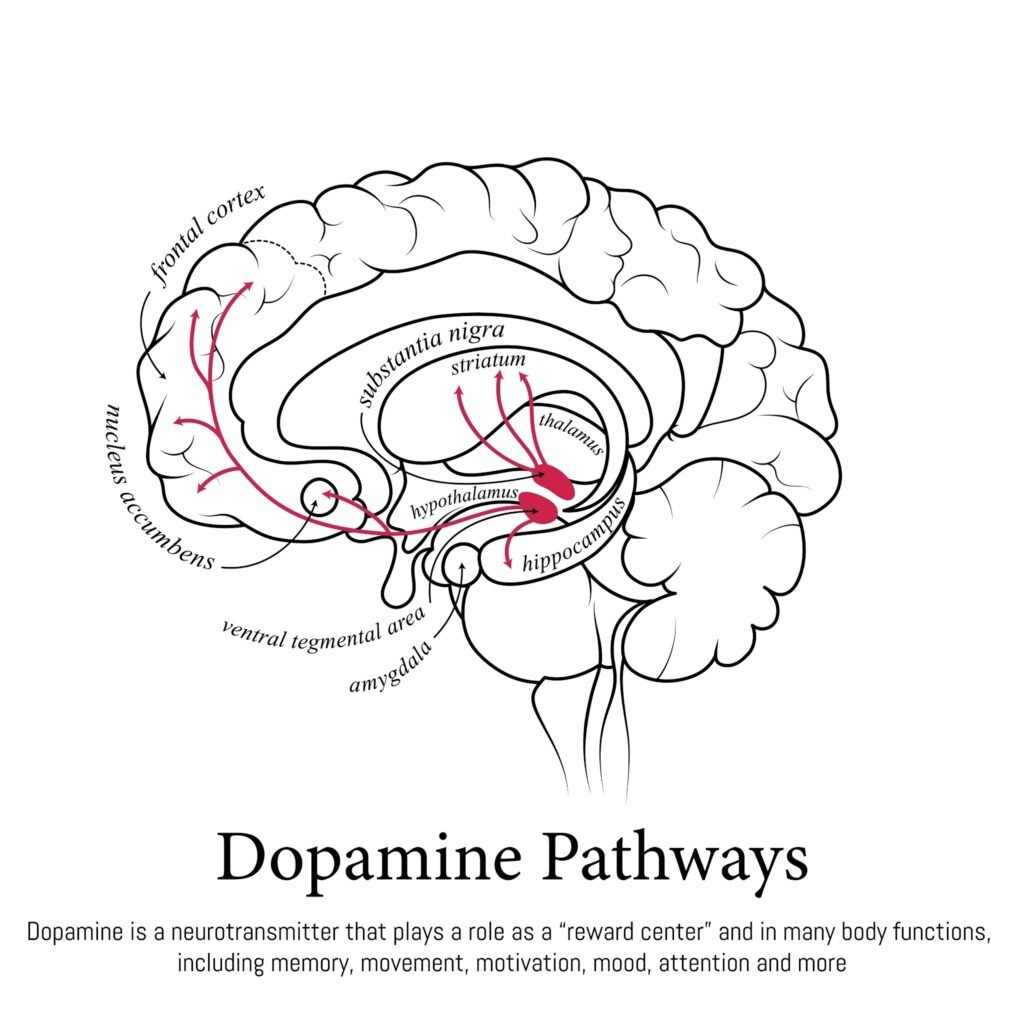
To structure a high-performance semester, you must first address nervous system regulation. When you are in a state of burnout, your prefrontal cortex—the part of the brain responsible for executive function—struggles to stay online. This is why a “Sunday Reset” has become a vital habit for top-tier students. By spending an hour on the weekend planning out focus blocks and identifying “dopamine mains,” you reduce the number of decisions your brain has to make on Monday morning. This structural clarity is the first step in moving from a state of academic survival to one of consistent excellence.
The Dopamine Menu: A Framework for Sustainable Motivation
The “Dopamine Menu” is a concept popularized by psychological researchers and productivity experts, designed to help individuals—particularly those with high-stress workloads—manage their energy levels. Think of it as a literal menu of activities that nourish your brain. Instead of scrolling through a phone when you feel tired, you choose an item from your menu that provides “sustainable dopamine.”
The Four Categories of a Dopamine Menu
| Category | Purpose | Examples | Time Investment |
| Starters | Quick motivation to break procrastination. | 5-minute stretch, making tea, one song dance break. | 5-10 Minutes |
| Mains | Deep recovery and high-quality satisfaction. | Hiking, painting, playing an instrument, gym session. | 30-90 Minutes |
| Sides | Passive stimulation while you work. | Lo-fi music, sitting by a window, essential oils. | Ongoing |
| Desserts | Low-effort hits (use sparingly). | Social media, Netflix, video games. | 15-30 Minutes |
By having this menu prepared in advance, you eliminate the decision fatigue that usually leads to procrastinating. Instead of wondering how to feel better, you simply pick a “starter” and begin.
Designing Your High-Performance Schedule
To truly master your semester, you must integrate these dopamine hits into a rigid yet flexible schedule. Most students fail because they try to follow a “to-do” list that is 20 items long. A high-performance schedule, however, focuses on energy management rather than time management. This means identifying your “peak hours”—the times of day when your brain is naturally most alert—and scheduling your most difficult academic work during those windows.
For international students navigating a global curriculum, the pressure to maintain a perfect GPA while balancing personal well-being is immense. If you find yourself overwhelmed by technical requirements or specific regional academic standards, getting help with assignments uk can provide the necessary support to keep your schedule on track.
The Role of Academic Delegation in Preventing Fatigue
One of the most overlooked skills in the modern university environment is delegation. High-performing professionals in the corporate world don’t do every task themselves; they focus on their core strengths and delegate the rest. Students can apply this same logic. Academic integrity is about learning and growth, but it is also about knowing when you are over-extended.
If a specific project—like a massive research paper or a complex thesis—is causing your nervous system to stay in a state of “fight or flight,” it is mathematically impossible to produce your best work. In these cases, collaborating with experts allows you to focus on the “Mains” of your education while ensuring the technical aspects of your work remain flawless. This isn’t a shortcut; it is a resource management strategy that protects your mental health from permanent depletion.
Multimodal Habits for Long-Term Success
Beyond the Dopamine Menu, there are several multimodal habits that contribute to a high-performance semester. These involve using different “modes” of learning and recovery to keep the brain engaged.
1. Visual Planning and The 80/20 Academic Funnel
Instead of a digital calendar, try a physical “Semester Matrix” on your wall. Seeing the entire 12-week arc of your term helps your brain process deadlines as a landscape rather than a series of sudden shocks. Applying the Pareto Principle (the 80/20 rule) allows you to identify the 20% of tasks that will result in 80% of your grade, letting you prioritize your energy where it matters most.
2. Cognitive Offloading
Use tools and services to store information outside of your brain. Whether it’s a high-quality note-taking app or professional academic support, the less you have to “remember,” the more space you have to “think.” This reduces “background noise” in the brain, which is a leading cause of mid-semester burnout.
3. Active vs. Passive Recovery
Understand the difference between passive recovery (sleeping/scrolling) and active recovery (engaging in a creative hobby). Active recovery actually repairs the dopamine receptors in your brain, making you more resilient to future stress.
Reclaiming the Joy of Learning
The ultimate goal of structuring a high-performance semester is to reclaim the joy of curiosity. When we are burnt out, we lose the ability to care about the subjects we chose to study. We become “grade-seekers” rather than “knowledge-seekers.” By using the Dopamine Menu to regulate your energy and being willing to seek support when the workload becomes unsustainable, you create a buffer between your identity and your stress.
The science is clear: a rested, regulated brain will always outperform a stressed, overworked one. As you move through the coming weeks, pay attention to your “brain fuel.” Are you feeding it cheap hits, or are you providing it with the structured, sustainable energy it needs to thrive? By treating your mental health as a core component of your academic strategy, you aren’t just passing a class—you are building the habits of a high-achiever.
Summary of the High-Performance Workflow
To stay on the first page of your own life and your academic career, remember the “Rule of Three”:
- Three Starters to kickstart your morning productivity.
- Three Mains per week to ensure deep neurological recovery.
- Three Focus Blocks per day for your most cognitively demanding work.
When these habits are combined with the right external resources and a commitment to nervous system regulation, the path to a first-class degree becomes much clearer. Don’t wait for burnout to hit before you change your approach. Start building your menu today, and turn this semester into a showcase of what you can achieve when your brain is truly powered for success.
Frequently Asked Questions
What exactly is a “Dopamine Menu”?
It is a personalized list of activities categorized by the type of energy they provide. By pre-selecting healthy ways to recharge, you avoid the trap of mindless scrolling and make intentional choices that actually restore your focus and motivation.
How does burnout affect academic performance?
Chronic stress triggers a physiological shutdown of the brain’s executive functions. This leads to decreased memory retention, poor decision-making, and a lack of creativity, making it physically harder to process complex information or meet deadlines.
Can small habits really prevent semester fatigue?
Yes. Consistently using short “starter” activities helps regulate the nervous system and prevents the accumulation of cognitive load. Small, frequent resets are more effective at maintaining long-term stamina than waiting for a long break after you are already exhausted.
What is the difference between active and passive recovery?
Passive recovery, like watching television, requires no effort but offers low mental restoration. Active recovery involves engaging in hobbies or physical movement that stimulates the brain in a healthy way, effectively repairing your focus and increasing resilience against future stress.
About The Author
Alice Anderson is a professional educator and content strategist with over a decade of experience in academic communication. Passionate about helping students navigate the complexities of higher education, she currently leads editorial initiatives at myassignmenthelp to promote academic integrity and student wellness worldwide.
