
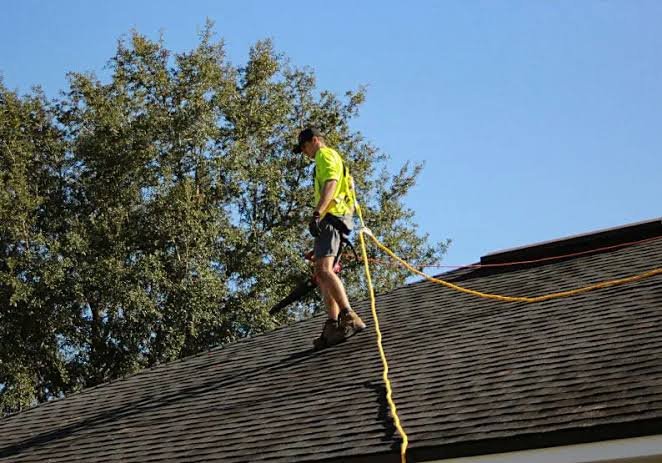
Your roof is one of the largest investments you will make in home maintenance, yet many homeowners delay replacement until they face a crisis. A failing roof creates immediate problems like leaks and water damage while affecting nearly every aspect of your home’s performance, safety, and resale value. Replacing an aging or damaged roof transforms more than just the structure overhead. It can reshape your entire living experience and your home’s long-term financial outlook.
1. Enhanced Energy Efficiency
Modern roofing materials and installation techniques have advanced significantly over the past two decades. Newer roofs with improved insulation properties and reflective coatings reduce the amount of heat that enters your home during summer and prevent warm air from escaping in winter. This thermal regulation means your heating and cooling systems work less hard to maintain comfortable indoor temperatures. As a result, energy use may decrease, particularly when reflective roofing is combined with appropriate insulation and air sealing, although actual savings vary by climate and home. Energy-efficient roofs also qualify for certain tax credits and rebates in many areas, providing additional financial benefits beyond the monthly savings.
2. Increased Home Value and Curb Appeal
First impressions matter in real estate, and your roof is one of the most visible elements of your home’s exterior. A fresh, well-maintained roof immediately improves curb appeal and signals to potential buyers that the home has been cared for. Homes with new roofs typically sell faster and at higher prices than comparable properties with aging or damaged roofs. Real estate professionals consistently note that roof condition is one of the top factors inspectors and appraisers evaluate during home valuations. Roof replacement handled by qualified professionals ensures the work meets current building codes and appraisal standards, helping homeowners recoup 60 to 70 percent of the replacement cost in resale value.
3. Superior Water Damage Protection
An aging roof develops small cracks, missing shingles, and worn seals that allow water to penetrate into your attic and interior walls. Water damage spreads silently and destroys insulation, structural framing, and drywall long before visible problems appear. Mold can grow in damp environments, creating health hazards for your family and requiring expensive remediation. A new roof with modern waterproofing materials, proper underlayment, and professional installation creates a reliable barrier against rain, snow, and ice dams. Flashing around chimneys, vents, and skylights is replaced with new materials that maintain their integrity for decades, giving you confidence during heavy storms or rapid snowmelt.
4. Improved Structural Integrity
When roofers remove an old roof, they can inspect the underlying decking and framing for hidden damage that was not visible from the outside. Rot, mold, and pest damage are discovered and repaired before the new roof is installed, stopping problems from spreading. This preventive approach ensures that your new roof is supported by a solid foundation and prevents larger, more costly repairs later. If damaged decking or framing is discovered during replacement, repairing it before the new roof is installed can restore the roof’s structural support.
5. Better Weather Resistance and Durability
Modern roofing materials are engineered to withstand extreme weather conditions far better than older alternatives. Impact-resistant shingles tolerate hail, fallen branches, and other debris without splitting or cracking, while wind-resistant designs keep shingles anchored securely during severe storms. New roofs with advanced tear resistance stand up to heavy snow loads and ice dams that might compromise older materials. Proper installation includes ventilation systems that prevent ice dams from forming at the roof’s edge, a common problem with aging roofs. With a new roof rated for 25 to 50 years depending on materials chosen, your home will be protected through many seasons of weather challenges.
6. Reduced Pest and Animal Access
Damaged roofs with holes, missing shingles, and deteriorated flashing provide easy entry points for raccoons, squirrels, birds, and insects. Once animals access your attic, they cause extensive damage by chewing on wiring, contaminating insulation with droppings, and building nests. A new roof eliminates these entry points and, when installed with proper ventilation covers and screening, prevents animals from accessing vulnerable areas. New flashing and sealed penetrations around vents and chimneys close off common pathways that pests use to enter your home. This protection saves you from dealing with costly infestations and the difficult work of preventing re-entry while roof damage persists.
7. Lower Insurance Premiums and Peace of Mind
Insurance companies recognize that new roofs reduce the risk of water damage, structural failure, and weather-related claims. Some insurers offer premium discounts for homeowners with roofs less than 10 years old, and certain roofing materials qualify for additional reductions. You may also find it easier to obtain homeowners insurance when your roof meets current building codes and manufacturer standards. Beyond the financial savings, a new roof provides psychological relief knowing that a major component of your home is no longer a liability. Eliminating the stress of wondering whether the next storm will cause a leak contributes meaningfully to your overall satisfaction with your home.
Conclusion
A roof replacement is far more than a routine maintenance expense. It is a comprehensive home improvement that addresses multiple concerns simultaneously while enhancing safety, comfort, and property value. Whether you are motivated by energy savings, weather protection, pest prevention, or preparing your home for resale, the benefits extend well beyond the roof itself. Replacing a roof that shows signs of age or damage protects your investment and improves your quality of life for years to come.
