
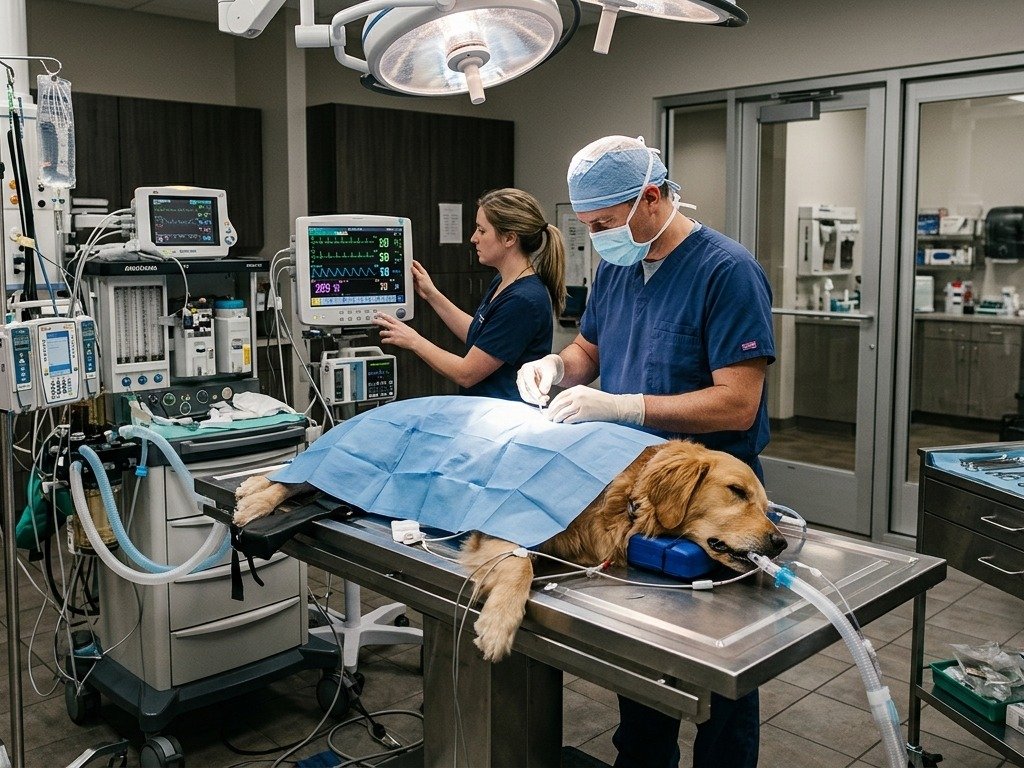
Step into a modern veterinary clinic during a crisis, and you will see a high-stakes environment that rivals any human emergency room. The frantic pace is stabilized by a quiet force: advanced medical technology. While the instincts of a skilled veterinarian remain irreplaceable, the tools at their disposal have completely transformed how we diagnose, treat, and heal animals.
From non-invasive imaging to specialized physical positioning tools, veterinary medicine has entered a golden age of clinical precision.
Precision Diagnostics: Seeing the Invisible
The faster a clinician can pinpoint a problem, the higher the survival rate. The days of relying solely on external physical exams and waiting days for external lab results are gone.
Veterinary diagnostics now rely on a triad of rapid-response technologies:
- Digital Radiography: Traditional film X-rays used to take valuable minutes to develop. Modern digital systems generate high-resolution skeletal and thoracic images instantly, allowing veterinarians to assess trauma or bone fractures within seconds of an accident.
- Targeted Ultrasound: This technology provides a real-time view of soft tissue structures. It is a critical tool for identifying abdominal fluid, tracking internal bleeding, and diagnosing complex cardiac conditions without putting a stressed animal through invasive exploratory surgery.
- In-House Laboratory Analyzers: State-of-the-art hematology and biochemistry machines can process complete blood counts and organ function panels in under fifteen minutes. This rapid turnaround is crucial when treating toxicity cases or acute organ failure.
Surgical Innovations and Patient Safety
Surgeries have become safer, cleaner, and significantly less painful for animals due to human-grade operating room advancements.
Minimally Invasive Procedures
Laparoscopic surgery is shifting from a premium option to a standard expectation. By utilizing tiny incisions, specialized cameras, and micro-instruments, surgeons can perform biopsies, spays, and abdominal explorations. The result is a dramatic reduction in post-operative pain, lower infection risks, and recovery times cut in half.
Real-Time Vital Monitoring
Anesthesia always carries inherent risks, particularly in pediatric, geriatric, or compromised patients. Multi-parameter monitoring equipment tracks blood pressure, blood oxygen saturation (SpO2), core body temperature, and electrocardiogram (ECG) rhythms simultaneously. If a patient’s heart rate dips or blood pressure drops, the surgical team can adjust gas levels instantly.
Controlled Handling and Stabilization
Advanced surgery requires absolute stability, which starts long before the first incision. Stress compromises an animal’s immune response and spikes blood pressure.
Clinicians rely on specialized physical equipment to keep patients secure, warm, and properly positioned. For grooming, pre-op prep, and hair clipping, using a grooming table net keeps fractious animals steady while efficiently capturing debris to maintain a sterile environment.
Similarly, managing aggressive or highly anxious felines requires specialized gear. Utilizing secure cat bags for restraint allows veterinary technicians to administer pre-medications or intravenous catheters safely, protecting the medical team from scratches while keeping the cat snugly supported to lower its cortisol levels.
Digital Platforms and Continuity of Care
The technological revolution extends beyond the operating theater into the administrative backbone of the clinic. Cloud-based Electronic Medical Records (EMR) allow multiple specialists to access an animal’s complete health history instantly.
Diagnostic images, lab trends, and past surgical notes are consolidated into a single ledger. This connectivity ensures that whether an animal visits a primary care vet or an emergency hospital at midnight, their medical data arrives before they do. Automated systems also handle critical post-operative follow-up reminders, ensuring owners remain active participants in rehab and medication schedules.
A New Standard of Veterinary Excellence
The evolution of veterinary medicine is fueled by a commitment to treating companion animals with the same medical dignity as human patients. Every piece of equipment—from an advanced ultrasound matrix to a simple, well-designed stabilization wrap—serves a unified purpose. By blending clinical expertise with industrial-grade technology, modern clinics are pushing the boundaries of what is treatable, ensuring our animals live longer, healthier lives.
