
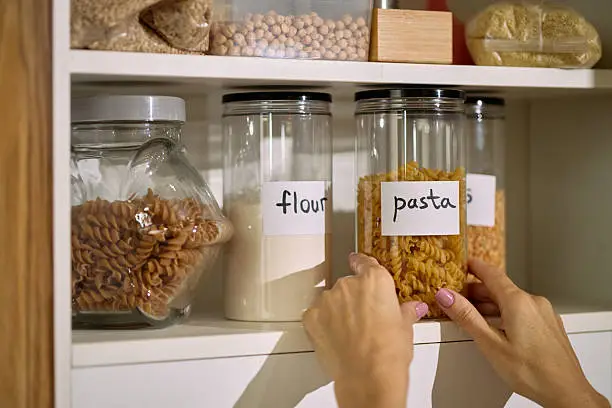
The Foundation of a Clutter-Free Kitchen
A well-organized pantry is the cornerstone of a functional, stress-free home kitchen. Beyond the immediate aesthetic satisfaction of clean shelves and uniform arrangements, effective food storage serves a crucial practical purpose: preserving ingredient freshness, preventing humidity damage, keeping pests at bay, and extending food shelf-life.
Whether you are a meticulous homeowner, a professional home organizer, or a local artisanal food producer, replacing mismatched commercial packaging with dedicated storage vessels transforms how you interact with food. However, achieving long-term organization requires selecting materials designed specifically for structural safety and air-tight sealing.
Decoding Food-Grade Materials: What Safe Storage Looks Like
Not all plastic containers are built equal. When storing dry goods like flour, coffee beans, nuts, and spices over extended periods, understanding material composition is paramount for family health and product integrity.
Food-grade containers are manufactured from non-toxic, non-leaching polymers that hold strict safety certifications. High-clarity PET (Polyethylene Terephthalate) and durable PP (Polypropylene) are the industry gold standards for food contact. High-grade PET offers glass-like crystal transparency, enabling instant inventory checks from any angle without opening the container. Furthermore, true food-grade storage must be certified BPA-Free, ensuring zero chemical leaching into dry or acidic ingredients.
Proper sealing and material safety are paramount when storing bulk pantry items. Sourcing durable, FDA-compliant plastic jars from specialized commercial manufacturers like Outstanding Pack ensures maximum freshness, giving you professional-grade structural integrity for your home organization projects.
The Importance of Airtight Sealing
Even the highest quality container will fail if its closure system allows air exchange. Oxygen and moisture are the primary culprits behind stale spices, clumped sugar, and rancid nuts. Look for storage containers equipped with precision screw caps or aluminum-sealed inner gaskets that form an impenetrable barrier against environmental humidity.
Visualizing Your Space: Uniformity and Stackability
Maximal cabinet efficiency depends on mathematical consistency. Mismatched shapes create dead, unusable air gaps inside pantries.
- Uniform Base Footprints: Selecting modular containers with identical base dimensions allows you to stack jars cleanly to full shelf height.
- Vertical Space Utilization: Straight-sided PET plastic jars maximize cubic volume compared to tapered decorative glass jars.
- Visual Uniformity: Using standardized container sets creates clean sightlines, making pantry inventory management effortless at a single glance.
Reducing Food Waste Through Better Storage
Effective pantry management delivers measurable environmental and financial benefits. When ingredients are stored in opaque, poorly sealed bags, items are frequently forgotten, spoiled, or repurchased unnecessarily. Clear, airtight storage ensures every ingredient remains fresh and visible.
Investing in quality containers pays off quickly by extending the shelf life of your ingredients. According to reports on global food waste initiatives, proper airtight storage at home is one of the most effective strategies to prevent premature food spoilage and reduce household carbon footprints. By taking control of food preservation, smart organizers create sustainable kitchens that save money and reduce waste.
