
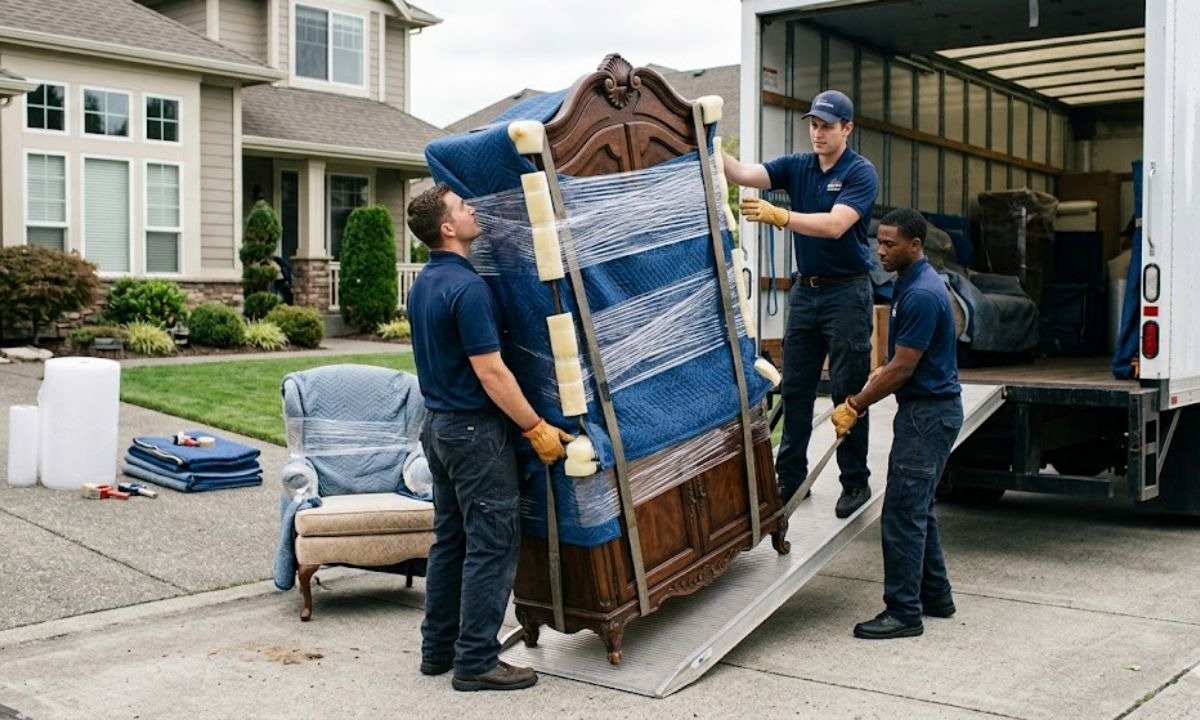
You have spent years collecting your antique pieces. That Victorian dresser, the cedar sideboard, the hand-carved dining chairs. Each one carries history and real dollar value. So when a move across state lines comes up, the last thing you want is to hand them over to a couple of blokes with moving blankets and hope for the best.
Moving antique furniture interstate is a different challenge from moving a flat-pack bookshelf or a modern lounge. The materials are older, the joints are more fragile, and the finishes do not respond well to temperature swings, moisture, or rough handling. A single bad decision during packing or transit can do permanent, irreversible damage. And unlike a modern piece, you cannot just replace it.
This guide walks you through everything you need to know before moving day, from taking inventory and getting your pieces appraised, to choosing the right removalist, packing correctly, and making sure your insurance actually covers what it should.
Why Antique Furniture Needs More Than a Standard Move
Most furniture removalists are set up to move modern household items efficiently. That works fine for your fridge or flat-pack wardrobe. But antique furniture is built differently, often with solid timber, mortise-and-tenon joints, French polish, and original hardware that has not been touched in decades.
Old timber is hygroscopic. It absorbs and releases moisture depending on the environment around it. Rapid changes in temperature and humidity during a long interstate journey can cause warping, cracking, and splitting. Once that happens, the damage is permanent.
The Real Risks of Moving Antiques Interstate
There are three main risks when moving antique furniture over long distances. Structural damage from rough handling of age-weakened wood and fragile joints. Environmental damage caused by temperature and humidity swings across Australia’s varied climate zones. And insurance gaps, where standard transit policies are weight-based and dramatically undervalue antique pieces.
Why Regular Removalists Often Fall Short
A general removalist may not have padded crating, climate-controlled vehicles, or the training to handle delicate period pieces. They also may not know that a grandfather clock should never be transported on its side, or that you should avoid direct contact between plastic wrap and French-polished timber. These are not minor details, they are the difference between a piece arriving intact and arriving damaged.
Start With a Proper Inventory and Appraisal
Before anything gets moved, packed, or quoted on, document what you have. Go through each piece and record its current condition in detail. Take clear photos from multiple angles, noting any existing scratches, wear, or repairs. This becomes your paper trail if something goes wrong.
Document Condition Before Anything Gets Packed
Write down the item name, approximate age, material, and a description of its current state. Include photos with timestamps. If you have original purchase receipts, auction records, or certificates of authenticity, keep those with your inventory file. This documentation matters both for insurance purposes and for your own peace of mind.
Why a Professional Valuation Matters
If you plan to insure your pieces properly during the move, you will likely need a formal appraisal from a qualified antique valuer. Standard transit insurance is almost always based on weight rather than actual value. A Victorian sideboard that weighs 80 kilograms might only be covered for a few hundred dollars under a default policy, when its real value is many times that. A written appraisal gives you a figure you can actually insure against.
Choose the Right Interstate Removalist for Antiques
This is the most important decision you will make in the whole process. Not every removalist is equipped to handle high-value antiques, and choosing the wrong one can cost you far more than the price difference between quotes.
You want someone who specialises in fragile and high-value pieces, not just a general furniture company that says they can manage it. Specialist antique furniture removalists Australia are trained to assess, pack, and transport period pieces with the level of care they require. They understand how to handle antique timber, how to load a truck to minimise vibration, and when a piece needs custom crating rather than just a moving blanket.
What to Look for in a Specialist
Look for removalists who offer white-glove handling, custom timber crating, climate-controlled transport vehicles, and transit insurance that covers agreed value rather than weight. Check how long they have been operating and whether they have experience specifically with antiques, not just general furniture. Online reviews and word-of-mouth from antique dealers or auction houses are a good guide.
Questions to Ask Before You Book
Ask whether they will do a pre-move assessment in person. Ask what packing materials they use for French-polished and lacquered surfaces. Ask whether their vehicles are climate controlled and how loads are secured during transit. Ask what their claims process looks like if something is damaged. A good removalist will answer these questions confidently and in detail.
How to Pack Antique Furniture for a Long-Distance Move
Even if you hire professionals to do the packing, knowing the right approach helps you ask the right questions and spot any red flags on moving day.
Wrapping Materials That Protect (and Ones to Avoid)
Use acid-free tissue paper as a first layer directly against the surface of polished timber. Furniture blankets and moving pads go over the top for cushioning. Avoid direct contact between plastic wrap and French polish or lacquered finishes. Plastic traps moisture, and moisture is the enemy of old timber surfaces. Bubble wrap is fine as a secondary layer but should never touch the bare wood.
Disassembly: When to Do It and When Not To
Disassembling furniture makes it easier to pack and reduces the risk of breakage in transit. Dining tables with removable legs, bed frames, and mirror-backed sideboards can often be taken apart safely. However, many antique pieces should not be disassembled at all. If the joints are original and have not been disturbed in a century, forcing them apart can cause structural damage that is worse than the risk of moving the piece whole. If you are unsure, leave it together and let a specialist assess it.
Custom Crating for Fragile or Oversized Pieces
For especially fragile, valuable, or unusually shaped antiques, a custom timber crate offers the best protection. The crate is built around the piece specifically, with internal padding that holds the item securely without pressure on any delicate areas. It also signals to everyone handling the load that the contents need careful treatment. Custom crating costs more, but for a genuinely irreplaceable piece, it is money well spent.
Loading, Transit, and Climate Considerations
How a truck is packed matters as much as how individual pieces are wrapped. Poor loading technique can cause furniture to shift, rub against each other, or vibrate in ways that loosen joints or crack finishes over hundreds of kilometres.
How Heavy Pieces Should Be Loaded
Heavy antique furniture should be loaded first, positioned low in the truck where movement is minimised during transit. Lighter and more fragile items go on top or toward the centre of the load, away from the walls of the truck. Pieces should be secured with soft ratchet straps that distribute load evenly, not standard straps that concentrate pressure on a single point. The truck bed should be lined to prevent sliding and scratching.
Why Climate Control Matters Across Australian States
Australia has some extreme climate variation between states. A move from Melbourne to Brisbane, for example, moves through significantly different temperature and humidity zones. A standard truck is not climate controlled, which means the interior temperature can swing dramatically over a long haul. For genuinely valuable antiques, ask about climate-controlled vehicles where temperature and humidity are monitored throughout the journey. It is a feature that matters more here than it would in a smaller, more uniform country.
Insurance Cover for Antique Furniture in Transit
Insurance is the part most people think least about until something goes wrong. For antiques, getting this right is critical because the standard cover offered with most interstate removals is rarely adequate.
Standard Transit Insurance vs Agreed Value Cover
Standard transit insurance, sometimes called goods in transit cover, typically pays out based on weight or a flat per-item rate. That rate is almost always far below the actual value of antique pieces. Agreed value insurance is different. You and the insurer agree on a specific dollar figure before the move, based on your appraisal, and that is what gets paid out if a piece is damaged or lost. It costs more but offers genuine protection.
What to Check Before You Sign Anything
Read the policy carefully before committing. Check whether antiques are excluded or capped. Check whether the policy covers damage in transit specifically, or only total loss. Find out what documentation you need to make a claim, and confirm that your pre-move condition photos and appraisal qualify as supporting evidence. Some removalists include basic cover in their quote but charge separately for agreed-value cover, so ask explicitly what is and is not included.
Final Tips Before Moving Day
Book your specialist removalist at least four to six weeks out. Last-minute bookings mean less choice and often higher prices. Confirm the packing materials being used in writing before moving day so there are no surprises. Make sure keys, locks, drawer contents, and any removable glass panels are dealt with in advance. Keep your inventory file, photos, and appraisal documents accessible, not packed in the moving truck.
On the day itself, be present when your pieces are packed and loaded if possible. A good specialist removalist will not mind you watching and will be happy to explain what they are doing and why. If something feels wrong, say so before the truck leaves, not after it arrives 1,000 kilometres away.
Moving antique furniture interstate does not have to be stressful. It just requires the right preparation, the right people, and enough lead time to do it properly. Take it seriously, and your pieces will arrive exactly as they left.
