
Have you ever thought about the air you breathe inside your home each day? Many people don’t realize indoor air can be more polluted than outdoor air.
Everyday activities, dust, and moisture can reduce indoor air quality. Poor air quality may lead to health problems such as allergies or asthma. The good news is that simple changes can make the air much cleaner.
Insulation and crawl space improvements are two effective solutions. In this guide, you will learn practical steps to create a fresher, healthier home environment. Keep on reading!
Understanding Indoor Air Quality
Indoor air quality refers to the cleanliness and safety of the air inside a house. Dust, mold, and chemicals can make indoor air unhealthy. Good air quality supports better breathing, sleep, and comfort.
Many things inside a house can affect air quality, including pets and cleaning products. Poor airflow or leaks can also let outside pollutants in. Insulation helps block these harmful elements.
When air quality is good, families feel better and healthier. You can improve air quality with a few careful changes. Start by learning about the main pollutants in your home.
The Link Between Insulation and Air Quality
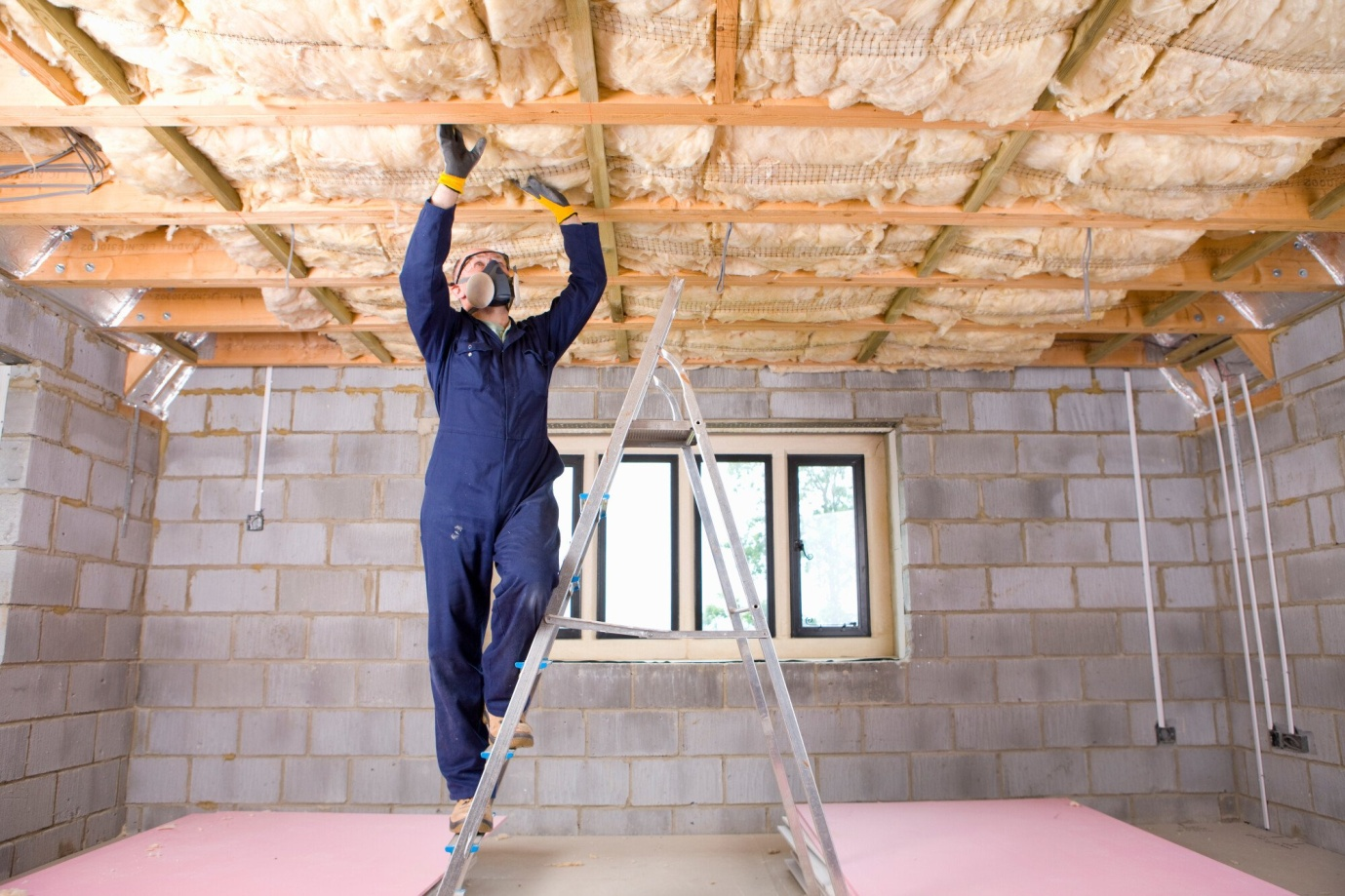
Insulation serves several purposes, including keeping a house warm in winter and cool in summer. It acts as a barrier, preventing dust, pollen, and pollutants from entering. Insulation also helps prevent dampness and mold, both common issues that affect air quality.
Proper insulation prevents outside air from entering the building. It also prevents indoor air from escaping, helping maintain a consistent, clean environment. Missing or damaged insulation can negatively affect air quality.
In addition to installing insulation, seal any gaps or cracks. With these steps, you will create a strong defense for your home’s indoor air. A well-insulated house is a healthier house.
What Is Crawl Space Encapsulation?
Encapsulating the crawl space beneath your house helps keep water out. This area is often damp and can collect mold, pests, and moisture. Sealing it helps homeowners keep these unwelcome elements out of their living spaces.
Encapsulation involves covering the ground and walls with heavy-duty materials. It also prevents outside moisture and air from entering. This process helps control humidity and prevent mold growth.
Encapsulation can reduce musty odors and make floors warmer. As air rises, the main living areas receive healthier air. Encapsulating the crawl space can improve overall air quality.
Signs Your Home Needs Better Insulation
Several signs suggest a home needs better insulation. Drafts and cold spots in rooms mean air is leaking. High energy bills can signal that heat or cool air is escaping.
Walls and floors that feel damp may point to poor insulation. If mold or mildew appears, insulation may not be blocking moisture. Uneven temperatures between rooms are another clue.
Condensation on windows can also signal a problem. If the house heats up quickly in summer and cools quickly in winter, you may lack insulation.
Strange odors can mean mold is hiding in walls or floors. Catching these signs early can prevent bigger problems later.
The Role of Moisture in Air Quality
Moisture is one of the biggest threats to good air quality. Humid air allows mold and dust mites to grow inside a home.
Leaks or poor insulation can let water enter walls and floors. This trapped moisture often leads to musty smells and health problems. Insulation helps block damp air from moving through the home.
Crawl space encapsulation also keeps the ground’s moisture from rising. By controlling moisture, families can avoid allergy triggers and other issues.
Dry indoor air is easier to keep clean. Managing moisture is a key step to fresher indoor air.
Types of Insulation for Better Air
Several types of insulation can help improve air quality. Fiberglass batts are common and block dust and pollen well. Spray foam insulation seals cracks and air gaps tightly.
Cellulose insulation is made from recycled materials and limits airflow. Rigid foam boards provide great moisture resistance in basements or crawl spaces. Mineral wool insulation can resist both mold and fire.
Each type works best in different parts of the house. Choosing the right insulation depends on your home’s needs.
All types help reduce unwanted air and particles indoors. Good insulation choices lead to cleaner air for everyone.
How Insulation Blocks Pollutants
Insulation acts like a shield against outside pollutants. It fills gaps in walls, ceilings, and floors to keep dirty air out. This means less dust, pollen, and car exhaust get inside.
Insulation also limits drafts that carry allergens through a house. Dense insulation materials trap small particles before they enter living spaces. Sealing cracks and holes adds extra protection.
Insulation helps keep outdoor chemicals and smoke outside. With fewer pollutants coming in, indoor air stays fresher.
Keeping insulation in good shape is important for ongoing protection. Clean air starts with strong insulation barriers.
Benefits of Crawl Space Encapsulation
Crawl space encapsulation offers many benefits for indoor air quality. Sealing the crawl space keeps out moisture, pests, and mold. This process also blocks harmful radon gas.
Encapsulated crawl spaces help maintain even temperatures inside the home. Less humidity inside means fewer dust mites and allergens. Floors above the crawl space feel warmer and more comfortable.
Encapsulation reduces musty smells and improves air freshness. It also protects the home’s structure from water damage. Better crawl space protection leads to a healthier living space.
Energy Savings from Good Insulation
Proper insulation does more than improve air quality; it also lowers energy costs. Insulation keeps heat inside during winter and blocks heat in summer. This means heating and cooling systems work less hard, and lower energy use leads to smaller monthly utility bills.
Well-insulated homes maintain steady temperatures more easily. Energy savings can add up over time, making insulation a smart investment. Using less energy also benefits the environment.
Good insulation helps families stay comfortable year-round. Saving energy and money benefits everyone living in the home.
Simple Steps to Improve Home Insulation
Improving home insulation starts with a few simple steps. First, check for drafts around windows and doors. Use weatherstripping to seal these gaps and stop air leaks.
Add extra insulation to attics and basements for more protection. Cover exposed pipes to prevent heat loss in winter. Seal cracks in walls and floors with caulk or foam sealant.
Make sure insulation is dry and free from mold or pests. Replace old or damaged insulation where needed.
Choose insulation that suits your home’s climate and structure. A few changes can make a big difference in air quality and comfort.
Importance of Regular Insulation Checks
Regular insulation checks keep your home healthy and efficient. Over time, insulation can wear, get wet, or compact. Damaged insulation does not block air or moisture well.
Inspect insulation in attics, crawl spaces, and walls at least once a year. Look for signs of mold, pests, or water damage. If you find problems, fix them quickly to prevent bigger issues.
Keeping insulation in good shape protects indoor air quality. Simple checks help keep energy bills lower. Staying on top of insulation maintenance is key to a healthier home.
How Professionals Can Help
Hiring professionals for insulation and crawl space work has many advantages. Experts can spot hidden problems most people miss. They use special tools to measure moisture and check air leaks.
A certified crawl space encapsulation company can seal the area under your house, making your home safer and cleaner. Professionals choose the best insulation for each part of the house. They also install materials correctly and safely.
Expert work lasts longer and performs better than DIY fixes. Professionals can answer questions and share helpful tips. Their work improves air quality and comfort for families.
Maintaining Insulation and Encapsulated Spaces
Regularly maintaining insulation and encapsulated spaces helps them keep working effectively. Every few months, inspect the area for new holes, gaps, or signs of pests. Make sure the vapor barriers in the crawl space stay sealed and secure.
Dry the insulation or replace it as soon as possible if it becomes wet. Take the necessary steps to remove dust and debris from crawl spaces and attics. Watch for new mold or mildew and remove it as soon as possible.
Maintain a clean airflow by keeping vents and fans free of obstructions. Inspect all areas after storms or heavy rain.
Quick fixes help prevent long-term damage. Proper maintenance keeps air quality high over time.
Common Mistakes to Avoid
Avoiding common mistakes helps keep insulation and crawl space work effective. Do not ignore small drafts or leaks, as they can become bigger problems. Skipping regular checks can let mold or pests take hold.
Using the wrong type of insulation for your climate can lead to moisture issues. Overstuffing insulation into small spaces may reduce its effectiveness. Not sealing gaps before adding insulation limits its benefits.
Do not leave crawl spaces unsealed in damp areas. Avoid blocking vents unless experts recommend it.
Never cover mold or wet spots with insulation. Always follow best practices to keep your home safer.
Improving Air Quality with Simple Habits
In addition to insulation, having simple habits can help keep the air inside your home cleaner. When the weather is dry, open windows to circulate fresh air, and use exhaust fans in bathrooms and kitchens to remove moisture.
Clean floors and surfaces frequently to reduce dust. When you are inside, refrain from smoking and use fewer harsh cleaning chemicals. Keep indoor plants that can naturally filter the air.
Replace air filters in heating and cooling systems regularly. Keep paints and chemicals away from the house whenever possible.
When cleaning, choose natural products or low-odor options. Daily modifications can improve air quality.
Choosing the Right Materials for Your Home
For every house, it is essential to choose the right materials for encapsulation and insulation installation. Climate, home size, and moisture levels all factor into this decision.
At certain temperatures, certain materials perform better than others. When moisture is high, you need vapor barriers. Look for products that resist mold and are safe for families.
If you are unsure about the best options, seek professional advice. Choose materials that are both long-lasting and energy-efficient.
Appropriate materials improve comfort and air quality. Investing in the right products supports the home’s long-term health.
The Impact of Insulation on Family Health
Better insulation and crawl space work can improve a family’s health in several ways. Better insulation can mean fewer allergy or asthma attacks. In well-insulated areas, mold and dust mites are less likely to grow.
Fresh indoor air benefits children and older adults most. Adequate insulation prevents environmental pollutants, such as pollen and vehicle exhaust, from entering the home. Healthier indoor air can even make pets feel better.
With fewer health issues, there will be fewer doctor visits and less medication. In a clean environment, family members can sleep better and feel better.
The whole family can enjoy a more secure, comfortable home. Better air quality supports long-term health.
Planning a Whole-Home Air Quality Project
The first step in planning an air-quality project is to take a thorough look at the entire house. List the rooms or areas with poor air quality. Create a financial plan to encapsulate and insulate the building.
If you are looking for advice and services, research reputable companies or experts. To find hidden air leaks or moisture issues, schedule an inspection. Prioritize repairs based on the most pressing needs.
Make sure that each stage of the project has its own timeline. Track progress and make any necessary adjustments to the plans. A carefully planned project will result in a home that is healthier and happier for everyone.
Breathing Easy at Home Starts with Smart Insulation
It is much easier than most people believe to improve the air quality in their own homes. Protection against dust, mold, and moisture from crawl space encapsulation and proper insulation is essential.
One way to maintain clean, healthy air is to choose the right materials and do routine inspections. Little adjustments can make a big difference over time.
Cleaner air supports better health and comfort for the whole family. If we act now, we will make everyone’s home safer.
Did you like this guide? Great! Please browse our website for more!
