
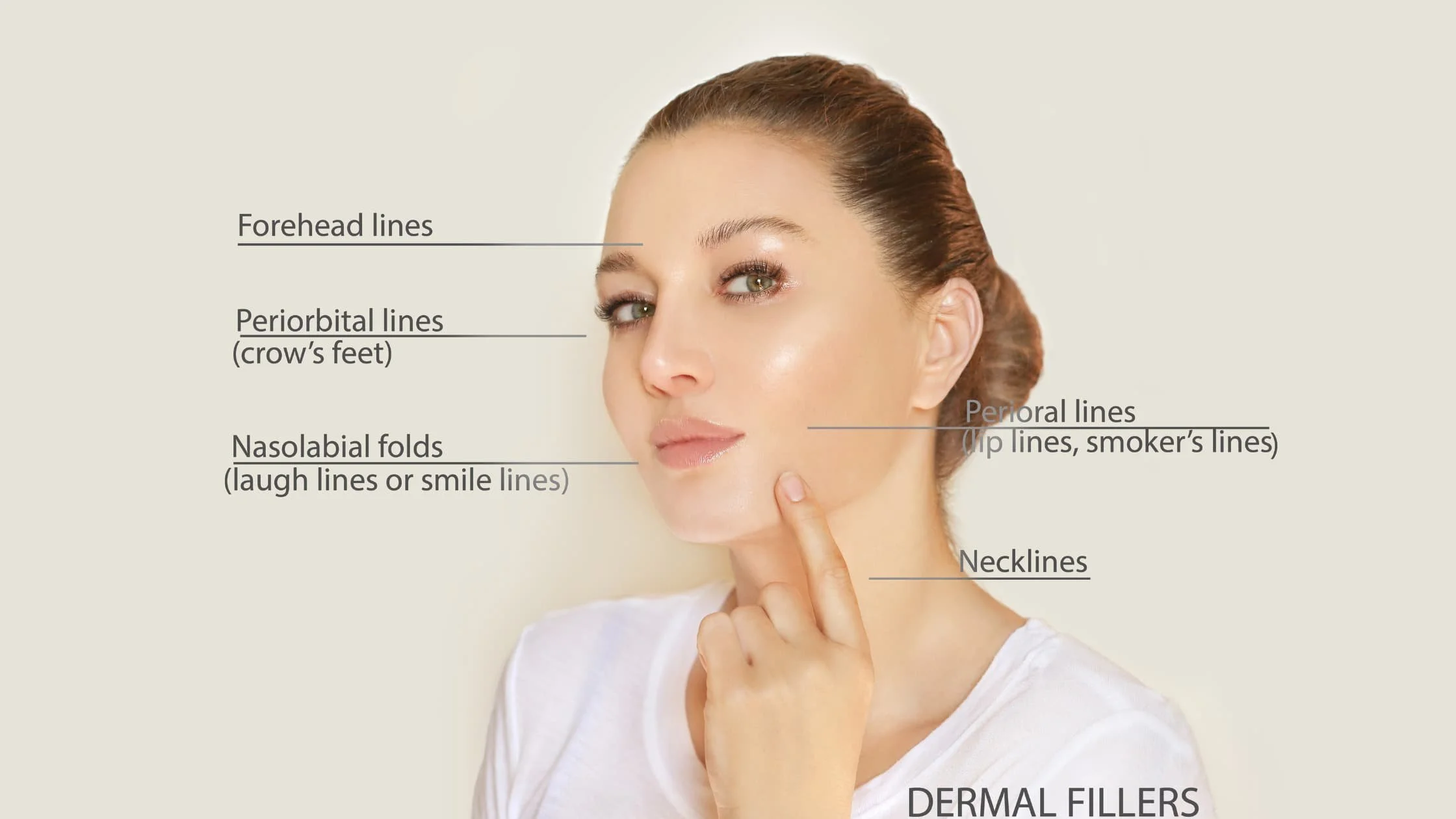
As the face ages, changes in collagen, skin elasticity, bone structure, and facial volume can affect overall appearance. Some people may notice deeper folds, less fullness in the cheeks, thinner lips, or changes around the jawline. Dermal fillers are injectable treatments that may help restore volume, soften certain lines, and enhance selected facial features. For people considering dermal fillers, understanding the areas that may be treated is an important first step. Fillers are not designed to create the same result for every patient. Treatment should be customized according to facial structure, skin condition, personal preferences, and realistic cosmetic goals. A consultation with a qualified medical professional can help determine which areas may be appropriate to treat and which type of approach may provide balanced, natural-looking results.
Cheeks and Midface
The cheeks are one of the most common areas where fillers may be used. Over time, the midface can gradually lose volume, which may cause the cheeks to appear flatter or less defined. This change can also affect other parts of the face because reduced support in the cheek area may make certain folds or shadows more noticeable. A carefully planned cheek filler treatment may help restore some fullness and improve facial contours. Some patients also choose fillers to create greater cheek definition even if age-related volume loss is not their primary concern. The amount and placement of filler should be based on the person’s existing facial structure rather than trying to create an identical cheek shape for everyone. A personalized approach can help maintain proportion and balance between facial features.
Lips
Lip enhancement is another common reason people consider dermal fillers. Some individuals naturally have thinner lips, while others notice gradual volume loss with age. Fillers may be used to add subtle fullness, improve definition, or create better balance between the upper and lower lips. Patients may also want to improve the appearance of the lip border or address minor asymmetry. A good lip enhancement plan does not always mean creating significantly larger lips. Some patients prefer very subtle changes that maintain their natural lip shape while improving definition and hydration. People seeking treatment should clearly discuss their desired outcome with a qualified provider. Photos or examples may help explain preferences, but treatment should still be adapted to the individual’s natural features.
Smile Lines Around the Mouth
Lines that extend from the sides of the nose toward the corners of the mouth are commonly known as nasolabial folds or smile lines. These folds can become more noticeable as facial volume changes with age. Skin elasticity, genetics, facial movement, and changes in the cheeks can all influence their appearance. Dermal fillers may sometimes be used to soften these folds. In some cases, a provider may also evaluate the cheeks and surrounding areas because restoring support elsewhere in the face can affect the appearance of these lines. A thoughtful approach to facial volume restoration considers the entire facial structure instead of focusing only on one visible fold.
Lines Below the Corners of the Mouth
Some people develop lines that travel downward from the corners of the mouth toward the chin. These lines can sometimes create the appearance of a sad or tired expression, even when the person feels relaxed. Dermal fillers may be used in selected cases to soften these lines and provide additional support around the lower face. Treatment planning is especially important because several muscles and facial structures influence this area. The provider should evaluate how the mouth, chin, and surrounding tissues work together before recommending injections. Careful placement can help create subtle improvement without making the lower face appear overly full.
Chin
The chin plays an important role in facial balance, particularly when viewed from the side. Some individuals may naturally have a smaller or less projected chin. Others may want greater definition or improved balance between the chin, lips, and nose. A chin filler treatment may be used to temporarily add projection, improve contour, or create a more defined appearance in appropriate candidates. Even small changes to the chin can influence overall facial proportions, which is why treatment should be carefully planned. The provider should consider the entire profile rather than looking at the chin as an isolated feature. Patients interested in dermal fillers can discuss whether chin enhancement fits their overall facial goals during a professional consultation.
Jawline
A defined jawline can contribute to the overall shape and structure of the lower face. Some patients use fillers to improve jawline definition, create smoother contours, or add structure in areas where the jaw appears less pronounced. Fillers may also be used to create greater balance between the jaw, chin, and other facial features. A jawline contouring treatment should be customized because facial shape varies significantly among individuals. The amount of filler required may depend on natural bone structure, age, skin quality, and the level of definition desired. Fillers cannot address every cause of changes around the jawline, so a qualified provider should determine whether they are an appropriate option for the patient’s specific concerns.
Under-Eye Area
Changes beneath the eyes can sometimes create shadows or a hollow appearance that makes someone look tired. In carefully selected patients, fillers may be considered for certain under-eye concerns. However, this area requires particular caution because the skin is thin and the anatomy is complex. An under-eye filler treatment should only be performed after a thorough evaluation by a qualified medical professional. Not every person with dark circles, puffiness, or under-eye shadows is an appropriate candidate. Some concerns in this area may have causes that fillers cannot correct. Proper assessment is essential for determining whether another treatment approach would be more suitable.
Temples
Volume loss can also occur around the temples. As facial tissues change with age, the temple area may appear more hollow. This can sometimes affect the overall shape of the upper face. Fillers may be used in appropriate patients to restore volume and create a smoother transition between the forehead, temples, and cheeks. The temple region contains important blood vessels and other anatomical structures, making provider experience and knowledge especially important. Patients should discuss potential risks, benefits, expected results, and alternatives before choosing treatment in this area.
Nose
Dermal fillers may sometimes be used to make temporary cosmetic adjustments to the appearance of the nose without surgery. Depending on the individual’s anatomy, filler may help create the appearance of a smoother bridge or improve certain minor contour irregularities. However, nose injections require advanced knowledge of facial anatomy because this area contains important blood vessels and carries serious potential risks. Not every person is an appropriate candidate. Anyone considering filler in this area should choose a qualified medical professional who can provide a careful assessment and explain possible complications before treatment.
How Long Do Facial Fillers Last?
Dermal filler results are temporary, but the duration can vary. How long the effects remain visible may depend on the type of filler used, the treatment area, the amount injected, metabolism, facial movement, and individual response. Some areas of the face experience more movement than others, which can influence how quickly results change over time. Patients should avoid assuming that every filler treatment requires the same maintenance schedule. Follow-up appointments give the provider an opportunity to evaluate results and determine whether additional treatment is appropriate.
Why a Personalized Consultation Matters
Choosing where to place filler should involve more than identifying an area that looks different in the mirror. A qualified provider evaluates the entire face, including proportions, movement, symmetry, skin quality, volume distribution, and the patient’s personal goals. Medical history, medications, previous treatments, and allergies should also be discussed before injections are performed. Dermal fillers can cause temporary effects such as redness, tenderness, swelling, or bruising. Rare but serious complications can also occur, including problems caused by filler entering or compressing a blood vessel. Patients should receive clear information about risks and know when to seek urgent medical attention. Professional evaluation helps determine whether filler is appropriate and supports safer, more informed treatment decisions.
Create a Balanced Approach to Facial Enhancement
Dermal fillers can be used in several areas of the face, including the cheeks, lips, chin, jawline, smile lines, temples, and selected areas around the eyes or nose. The right treatment areas depend on individual anatomy and cosmetic goals. People considering dermal fillers in Murray should focus on personalized treatment rather than following a standard approach. Small, carefully planned adjustments can sometimes create a more balanced appearance while preserving natural facial characteristics. A consultation with a qualified medical professional can help patients understand which areas may benefit from treatment, what results are realistic, and what risks should be considered. Thoughtful planning is an important part of achieving subtle and well-balanced facial enhancement.
