
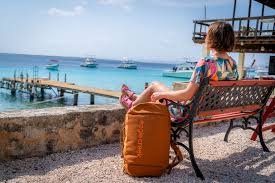
Packing for your first beach trip can feel surprisingly complicated. Between swimwear, sunscreen, towels, toiletries, clothing, and travel documents, it is easy to pack too much or forget something important. The key is to focus on versatile essentials that match your destination and activities. With a little planning, you can create a practical beach packing list that keeps your luggage manageable and your vacation stress-free.
Plan Your Packing List Around Your Trip
Before putting anything into your suitcase, think about what your beach trip will actually look like. A relaxing resort vacation, a weekend coastal getaway, and an adventure-filled trip will all require different items. Consider the weather, length of stay, planned activities, accommodation, and how easily you can purchase forgotten essentials at your destination.
Start by separating your needs into categories such as clothing, swimwear, sun protection, toiletries, beach accessories, and travel documents. This approach makes it easier to see what you need without repeatedly going through the same items.
It is also helpful to check your accommodation before packing. Some hotels, vacation rentals, and resorts may provide towels, hair dryers, beach chairs, or other useful items. Knowing what is already available can save valuable luggage space.
Check the Weather Before You Leave
Weather can dramatically affect what you need to bring. Look at the expected temperatures, rainfall, humidity, and evening conditions for the dates of your trip. Even warm destinations can have cooler evenings or unexpected showers.
If rain is possible, pack a lightweight waterproof layer or compact umbrella. If the forecast is consistently hot and sunny, prioritize breathable clothing, sun protection, and comfortable footwear. Avoid packing several heavy items for weather conditions that are unlikely to occur.
Choose Swimwear That Fits Your Plans
Swimwear will probably be one of the most frequently used parts of your beach wardrobe, so comfort should come before packing several different styles. Think about how you intend to spend your time in the water.
If you plan to swim actively, choose swimwear that stays secure while moving. If you expect to spend more time relaxing, you may have greater flexibility in style. Packing two or more swimsuits can also be helpful because you will always have a dry option available while another suit is drying.
A full coverage swimsuit bottom can be a useful option for travelers who prefer more coverage while swimming, walking along the beach, or participating in water activities. Regardless of the style you choose, look for swimwear that fits comfortably and allows you to move without constant adjustments.
Pack a Beach Cover-Up
A cover-up can make transitioning between the beach and other activities much easier. A lightweight shirt, wrap, loose dress, or similar layer can provide additional coverage when you leave the water and can often be worn with other vacation outfits.
Choose something breathable and easy to pack. A versatile cover-up may work for walking to the beach, grabbing a casual meal, or relaxing near the pool, allowing you to pack fewer separate outfits.
Prioritize Sun Protection
Sun protection should be near the top of your beach packing list. Spending several hours outdoors can expose your skin and eyes to significant amounts of sunlight, so preparation is important even if you enjoy warm weather.
Pack sunscreen appropriate for your needs and destination, along with sunglasses and a hat. Consider bringing enough sunscreen for your entire trip rather than assuming you will find the exact product you prefer after arrival. Reapplication is also important, particularly after swimming, sweating, or spending extended periods outside.
Add Clothing That Provides Extra Protection
Sun protection does not have to come entirely from sunscreen. Lightweight shirts, loose trousers, skirts, rash guards, and other breathable clothing can provide additional coverage when you need a break from direct sunlight.
A wide-brimmed hat can also help shade your face, neck, and ears. Sunglasses can make bright conditions more comfortable while protecting your eyes from intense light.
Remember that shade matters, too. If you will be spending an entire day at the beach, consider whether you will have access to an umbrella, covered seating, or another shaded area.
Pack Comfortable Beach-Day Essentials
First-time beach travelers sometimes focus heavily on clothing and forget the small items that make a day by the water more comfortable. A towel is an obvious essential unless your accommodation provides one. If you are traveling light, a lightweight, quick-drying towel can be particularly convenient.
A reusable water bottle is another practical addition. Hot weather and physical activity can increase your need for fluids, so having water available can make it easier to stay hydrated throughout the day.
Depending on your destination, you may also want a beach bag, waterproof pouch, small cooler, beach mat, or compact tote. You do not need all of these items. Choose based on what you expect to use and whether your accommodation already provides similar amenities.
Choose the Right Beach Footwear
Not every beach has the same surface. Smooth sand may require little more than comfortable sandals, while rocky shorelines can make protective water shoes more useful.
Think beyond the beach as well. If your trip includes sightseeing or long walks, bring footwear that can comfortably handle those activities. Rather than packing several pairs for every possible situation, prioritize versatile options that work across multiple settings.
Pack Clothing You Can Mix and Match
A first beach trip does not require an entirely new vacation wardrobe. A few lightweight pieces that coordinate with each other can provide plenty of outfit combinations while keeping your suitcase manageable.
Consider packing breathable tops, shorts or lightweight trousers, casual evening clothing, underwear, sleepwear, and a light outer layer if the weather calls for one. Choose fabrics that are comfortable in warm conditions and pieces that can be worn more than once when appropriate.
Neutral or complementary colors can make mixing and matching easier. Instead of planning a completely different outfit for every day, select pieces that can be combined in several ways.
Remember the Evening
Beach vacations are not always spent in swimwear. You may want to visit restaurants, explore local attractions, attend casual events, or take evening walks. Make sure you have at least one comfortable outfit that feels appropriate away from the beach.
A lightweight cardigan, overshirt, or similar layer can also be useful if temperatures drop after sunset or indoor spaces are heavily air-conditioned.
Organize Your Toiletries Carefully
Toiletries can quickly take up more space than expected. First-time travelers often pack full-sized containers of products they may only use a small amount of during the trip.
Instead, bring travel-sized quantities when practical. Focus on products you genuinely need, such as toothpaste, shampoo, conditioner, body wash, skincare products, deodorant, and personal hygiene items.
Do not forget any regular medications or personal health necessities. Keep important items accessible rather than burying them at the bottom of checked luggage.
Prepare for Common Beach Problems
A few small extras can be useful when spending time outdoors. Consider packing lip balm with sun protection, insect repellent when appropriate for the destination, basic first-aid supplies, tissues, hand sanitizer, and products you may need for minor cuts or blisters.
After-sun skincare can also be helpful after long days outside. Even with careful sun protection, your skin may feel dry after exposure to saltwater, wind, or heat.
You do not need a full pharmacy in your suitcase. The goal is simply to have a few practical items that can save you an inconvenient trip to a store.
Protect Your Valuables From Sand and Water
Sand and water are two of the biggest threats to personal belongings at the beach. Phones, keys, cards, and other small items can be difficult to protect if they are left loose in a regular bag.
A waterproof pouch or dry bag can help keep important items protected from splashes. Small resealable bags can also be useful for separating wet swimwear from dry clothing after swimming.
Try to minimize the valuables you take to the beach. If you do not need expensive jewelry, unnecessary electronics, or important documents during your beach outing, leave them somewhere secure at your accommodation.
Keep Your Beach Bag Simple
A good beach bag should carry your essentials without becoming unnecessarily heavy. Consider keeping it stocked with sunscreen, sunglasses, a hat, water, a towel, swimwear, and a waterproof pouch.
Avoid filling it with items simply because you might use them. Every extra object adds weight and gives you more things to keep track of while you are trying to relax.
Keep Important Travel Items Accessible
Your beach packing list should not overshadow the basics you need to travel. Keep identification, travel documents, payment methods, accommodation information, and other important items secure and easy to access when necessary.
If you are flying, review the baggage rules that apply to your trip before packing liquids, toiletries, or other restricted items. Following the applicable requirements can prevent delays and the need to reorganize your belongings at the airport.
It is also useful to keep a small set of essentials in your carry-on when flying. Depending on your circumstances, this may include important documents, medications, basic toiletries, a change of clothes, and items you would need if your checked luggage were delayed.
Avoid Common First-Time Packing Mistakes
One of the biggest mistakes new beach travelers make is packing for every possible scenario. While being prepared is sensible, excessive packing can make transportation more difficult and leave you carrying items you never use.
Avoid bringing multiple versions of nearly identical clothing, too many shoes, oversized accessories, or bulky equipment that your accommodation already provides. Instead, choose items that can serve more than one purpose.
Another common mistake is forgetting laundry. If your trip lasts more than a few days, consider whether you will have access to laundry facilities. Being willing to wash and reuse some clothing can significantly reduce the amount you need to pack.
Leave a Little Extra Space
It is tempting to fill every available corner of your suitcase, but leaving some room can be useful. You may purchase souvenirs, receive items during your travels, or simply appreciate having space when repacking.
A suitcase that closes comfortably is also easier to manage than one that requires force or careful rearranging. Pack with some flexibility rather than treating every available centimeter as an opportunity to add another item.
Do a Final Packing Check
Before leaving, perform one final review based on your actual itinerary. Think through a typical day from the moment you wake up until you return to your accommodation at night.
Ask yourself whether you have suitable swimwear, comfortable clothing, sun protection, toiletries, footwear, travel documents, medications, and anything specific to your planned activities. This final review is especially useful because it focuses on what you will actually do rather than what you imagine you might need.
Once the essentials are covered, resist the urge to keep adding things. A well-planned beach bag and a manageable suitcase are more valuable than having an item for every hypothetical situation.
Conclusion
Packing for your first beach trip does not have to be overwhelming. Focus on comfortable swimwear, sun protection, breathable clothing, practical toiletries, suitable footwear, hydration, and ways to protect your valuables. Check the weather and accommodation details before you leave, then adjust your list around your activities. Packing intentionally keeps your luggage lighter and gives you more freedom to enjoy the trip.
