

Remote and hybrid work changed how businesses build teams, but it also exposed weaknesses in traditional telephony systems. A company may hire support agents in different cities, allow sales managers to work remotely and expand into new markets without opening physical offices. Communication becomes more complicated as a result. Calls need to reach the right employee regardless of location, managers need visibility into performance across the entire team, and customer interactions must remain accessible inside a single system.
For organisations handling hundreds or thousands of calls per day, communication infrastructure becomes an operational issue rather than a technical one. The question is no longer whether employees are in the office. The question is whether calls, recordings, reporting and customer information remain organised when employees are working from different locations.
What is a Cloud PBX
A Cloud PBX is a telephony platform hosted in cloud infrastructure rather than on local hardware. Instead of building communication around office equipment, businesses manage users, routing rules, recordings and call flows through a central environment that can be accessed from anywhere.
The difference becomes noticeable when a company starts growing. Expanding a traditional phone system often requires additional equipment, installation work and local telecom configuration. A Cloud PBX allows businesses to add users, create departments and change call routing without rebuilding infrastructure each time the organisation changes.
Hosted Telephony Architecture
Traditional PBX systems were designed for offices where employees worked from a single location. Modern teams rarely operate this way. Support agents may work remotely, account managers may travel regularly and new employees may join from different regions.
A Cloud PBX keeps these employees inside one communication environment. Calls are routed through the same system, recordings remain accessible in the same place and managers can review performance across the entire organisation rather than across separate office locations. This creates consistency for both employees and customers, regardless of where work is performed.
Core Communication Features
As communication volume increases, routing becomes more important than the number of available phone lines. Businesses need a way to organise incoming traffic so that customers reach the correct department without unnecessary transfers or delays.
IVR and Voicemail Management
Inbound traffic rarely arrives in a predictable pattern. Sales enquiries, support requests and existing customer issues often enter the system simultaneously. Without clear routing logic, calls accumulate in shared queues and employees spend time redirecting customers instead of helping them.
IVR solves this problem by separating requests before they reach agents. Customers can select the department they need, reducing transfers and shortening response times. Voicemail continues to play an important role outside business hours or during periods of high demand. Instead of losing calls completely, businesses can capture requests and distribute them to the appropriate team once agents become available.
Call Routing and Forwarding
Routing rules determine how calls move through the organisation. Businesses often create separate call flows based on department, language, market or operating hours. A customer calling from Germany may be directed to a German-speaking team, while support requests can be separated from sales enquiries before reaching an agent.
Forwarding rules provide additional flexibility. If an employee is working remotely, attending meetings or travelling, calls can still reach the correct destination without forcing customers to use different numbers. This helps maintain service levels even when teams are distributed across locations.
Supporting Remote Employees
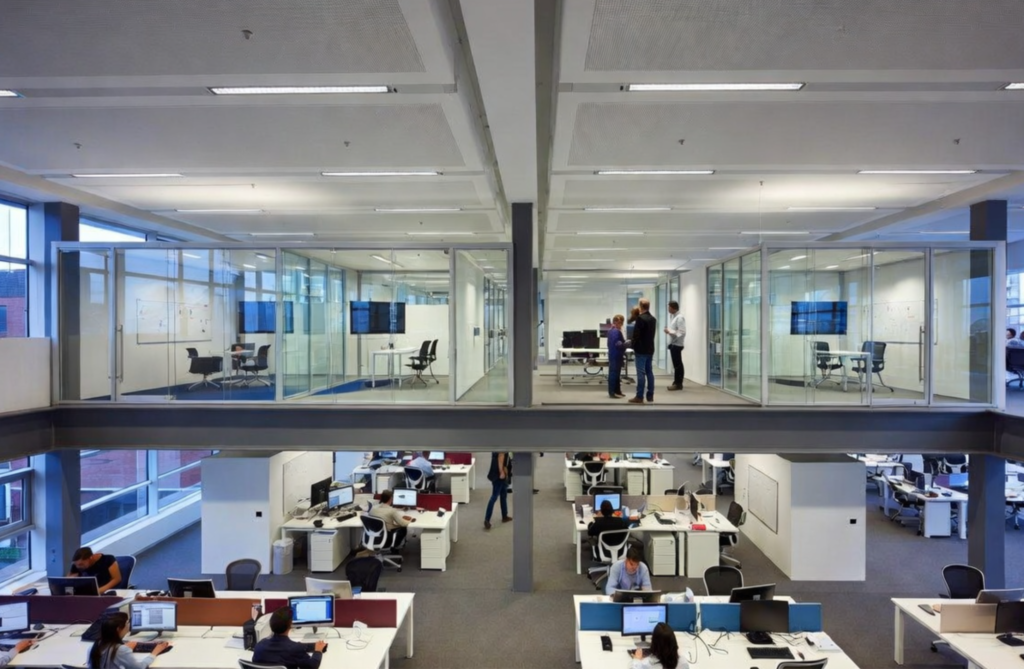
Remote work introduces a management challenge that traditional phone systems were never designed to address. Supervisors need visibility into call activity, response times and team performance regardless of where employees are working.
Mobile and Softphone Integration
Before cloud telephony became widely available, remote employees often relied on personal devices, local numbers or separate communication tools. Reporting became fragmented, recordings were stored in different places and managers struggled to understand overall performance.
A Cloud PBX solves this by keeping communication inside a single environment. Employees can handle calls through desktop applications, mobile devices or browser-based softphones while remaining connected to the same business system. Customers continue calling the same business numbers, while managers maintain access to reporting, recordings and activity logs across the entire team.
DID Global provides Cloud PBX infrastructure that enables businesses to manage communication centrally while supporting employees across multiple locations, countries and time zones.
Integration with CRM Platforms
A phone call is often only one step in a larger customer journey. Sales teams need access to account information during conversations, while support departments require visibility into previous interactions and open cases.
Workflow Automation Benefits
CRM integration connects communication activity with operational processes. When a customer calls, relevant account information can appear automatically. After the conversation ends, the system can generate follow-up tasks, create support tickets or update customer records without requiring additional manual work.
For teams processing thousands of customer interactions each month, these automations reduce administration time and improve data accuracy. Employees spend less time updating systems and more time handling customer requests.
Security and User Management
Communication platforms often contain customer information, recordings, internal discussions and operational data. As organisations grow, controlling access becomes increasingly important.
A Cloud PBX allows administrators to manage permissions centrally. Different departments can receive different access levels, recordings can be restricted to authorised users and system activity can be monitored through audit logs. This structure helps businesses maintain security standards while supporting remote and hybrid teams at scale.
Remote work changed where employees perform their jobs, but customer expectations remained the same. Customers still expect fast responses, reliable communication and consistent service. A Cloud PBX gives businesses the tools to deliver that experience while managing communication across multiple locations, departments and time zones.
