
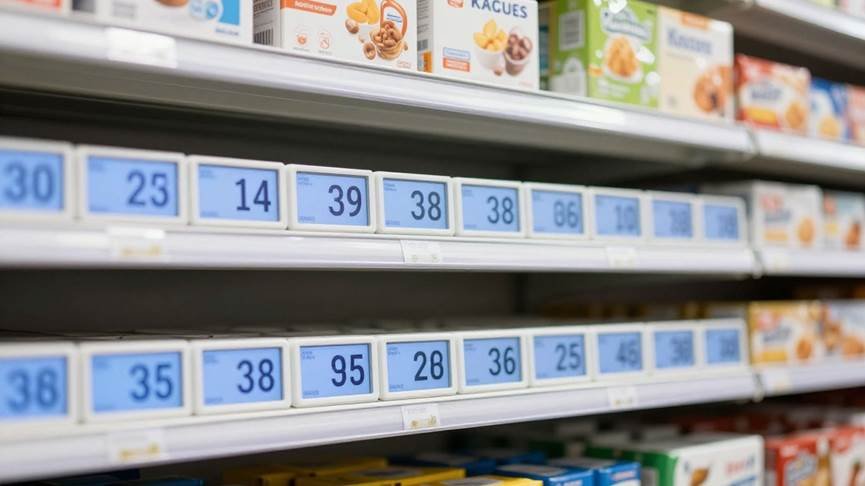
1. Electronic Shelf Labels
Electronic shelf labels, or ESLs, are a modern approach to keeping your product information current. These digital displays sit right on the shelf, showing prices and other details that can be updated instantly from a central system. This means no more manually changing paper tags, which saves a ton of time and cuts down on mistakes.
ESLs are great for making sure prices match everywhere, whether a customer sees it on the shelf, online, or at the checkout. This consistency really builds trust. Plus, you can change prices on the fly. If there’s a sale or a competitor drops their price, you can react immediately. This agility helps you stay competitive and offer customers timely deals.
Using electronic shelf labels also means better inventory management. They can be linked to your stock system, giving you real-time data. This helps prevent stockouts and makes sure you always know what you have. It’s a smart way to run a store.
2. Plastic Labels
When you need labels that can handle a bit more than paper, plastic labels are a solid choice. They hold up better against moisture, chemicals, and general wear and tear compared to their paper counterparts. This makes them a good fit for many warehouse environments where things can get a little rough.
Plastic labels are great for long-term use. They don’t degrade as easily, meaning the information stays readable for longer. This durability means fewer replacements and less hassle for your team. Whether it’s on shelves, bins, or equipment, plastic labels offer a reliable way to keep things organized and identifiable.
Think about where your items are stored. If it’s an area that might get damp or see some spills, plastic is definitely the way to go. They’re a step up from paper, offering more resilience without jumping to the cost of some of the more advanced options. Using plastic labels can really help keep your picking and putaway processes running smoothly.
3. Paper Labels
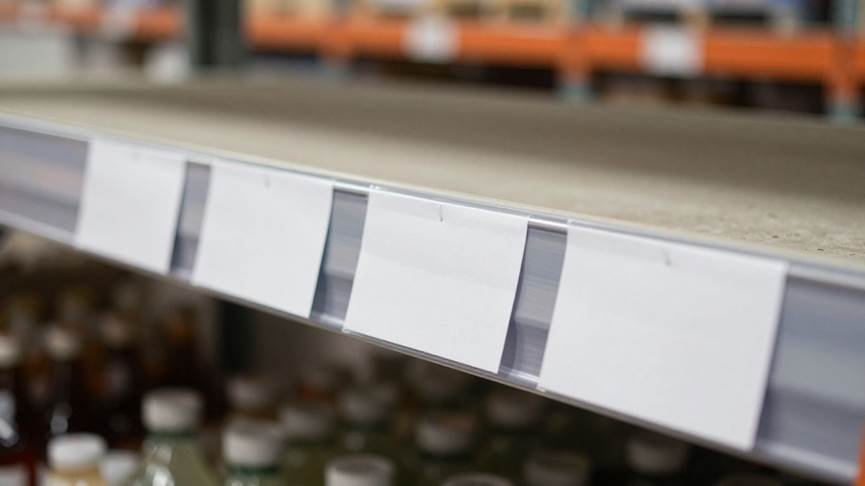
Paper labels are a common sight in many warehouses, and for good reason. They’re generally the most budget-friendly option, making them attractive for businesses watching their spending. When you need to label items for short-term use or in environments that are dry and clean, paper labels can do the job without breaking the bank. Think about temporary signage or labeling for items that move through the warehouse quickly.
However, paper labels have their limits. They don’t hold up well in damp conditions, extreme temperatures, or areas where they might get scuffed or torn easily. If your warehouse has moisture, dust, or heavy traffic, paper labels might not be the best fit. For faster picking and putaway, the clarity and durability of your labels are key, and paper can sometimes fall short in demanding settings.
When using paper labels, consider adding a protective laminate. This simple step can add a bit more resilience against wear and tear, extending their useful life. It’s a small trick that can make these cost-effective paper labels more practical for a wider range of applications within the warehouse.
4. Magnetic Labels
Magnetic labels are a solid choice when you have metal shelving and anticipate frequent changes to your inventory layout. They stick well to steel beams and uprights, making them easy to move around without leaving any residue behind. This is a big plus if your warehouse does a lot of re-slotting or seasonal updates.
The real advantage of magnetic labels is speed. When it’s time to rearrange products or update locations, you can just pull them off and stick them back on in the new spot. This saves a ton of time compared to peeling off old adhesive labels or dealing with messy residue. Plus, they hold up pretty well, so you don’t have to worry about them falling off during regular warehouse operations.
Using magnetic labels means your picking and putaway processes can stay nimble. If you’re in a fast-paced environment where product placement changes often, these labels are definitely worth considering. They help keep your warehouse organized and your operations running smoothly, especially when you need to adapt quickly.
5. Adhesive Labels
Adhesive labels are a common sight in many warehouses, and for good reason. They stick well to a variety of surfaces, making them pretty versatile for labeling shelves, bins, and even individual products. When you need a label that stays put, especially for long-term storage or areas that don’t see a lot of frequent changes, adhesive labels are a solid choice.
The key benefit of adhesive labels is their strong bond, which helps prevent accidental dislodging during busy operations. This means fewer misplaced items and less time spent searching for what’s supposed to be where. They come in many materials, from paper for general use to more durable vinyl or polyester for tougher environments. Picking the right kind of adhesive label depends on where it’s going and what it needs to withstand.
When applying adhesive labels, make sure the surface is clean and dry. This simple step makes a big difference in how well the label sticks and how long it lasts. For areas that might get bumped or need extra durability, consider labels with stronger adhesives or protective overlaminates. These labels are a workhorse for keeping track of inventory, and when applied correctly, they really help speed up both picking and putaway processes.
6. Barcode Labels
Barcode labels are a tried-and-true method for improving warehouse operations. These labels contain encoded information, like SKUs or UPCs, that scanners can read quickly. This allows warehouse staff to access product details, quantities, and locations with just a scan.
Barcode labels are a cornerstone of efficient inventory management. They are affordable and reliable, making them a solid choice for many businesses. Whether you’re dealing with receiving, putaway, or picking, barcode labels streamline the process. They reduce manual data entry, which in turn cuts down on errors.
QR codes take this a step further. They’re two-dimensional, meaning they can hold more data than traditional barcodes. This extra information can include handling instructions, supplier details, or even links to assembly videos. Both traditional barcodes and QR codes are vital tools for accurate tracking.
7. RFID Labels
RFID labels, or Radio-frequency Identification labels, are a step up from traditional barcodes. They use radio waves to transmit data, meaning you don’t need a direct line of sight to scan them. This is a big deal for warehouse efficiency.
Think about it: workers can scan multiple items at once, even if they’re inside boxes or containers. This speeds up tasks like receiving, inventory counts, and shipping significantly. The technology behind RFID labels allows for faster data capture, which is a game-changer for busy warehouses.
While the initial investment for RFID systems might seem higher, the long-term benefits in speed and accuracy can really pay off. They’re durable and can be used over and over, making them a solid choice for places that handle a lot of inventory regularly. Using RFID labels means less manual scanning and more time focused on other important tasks.
8. Color-Coded Labels
Color-coded labels add a visual layer to your warehouse organization, making it easier for staff to quickly identify different zones or product categories. Think of it like a traffic light system for your inventory. Assigning specific colors to different types of items or storage areas can significantly cut down on search time during both picking and putaway.
This method works well in conjunction with other labeling systems. For instance, a primary barcode label might identify the exact product, but a color-coded band on the same label or shelf could instantly tell a picker they’re in the “fragile goods” section or the “promotional items” zone. This dual approach speeds up decision-making and reduces errors.
Using color-coded labels isn’t just about aesthetics; it’s a practical tool. It helps streamline restocking by making it obvious where certain types of products belong. When a delivery arrives, staff can quickly sort items based on their color code, leading to faster and more accurate putaway. It’s a simple yet effective way to improve workflow.
9. Cold Storage Labels
Working in freezers or refrigerated areas presents unique challenges for warehouse labels. Standard paper labels just don’t cut it when faced with moisture, frost, and extreme cold. They can peel, smudge, or become completely unreadable, slowing down operations.
Cold storage labels are specifically designed to withstand these harsh conditions. They use special synthetic materials and adhesives that stick firmly even at very low temperatures. This ensures that barcodes and product information remain clear and scannable, which is vital for accurate picking and putaway in these environments.
Using the right cold storage labels means your team can find items quickly, even when covered in a bit of frost. This prevents errors and keeps the workflow moving smoothly, no matter how cold it gets.
10. Floor Labels
Floor labels are a smart way to mark specific zones or lanes on the warehouse floor. Think of them for staging areas, cross-docking spots, or even just guiding traffic. Unlike painted lines that fade, these durable labels hold up better against forklifts and foot traffic. Placing floor labels just outside main pathways helps with scanning and reduces wear and tear.
These labels are great for WMS integration. You can assign barcode IDs to floor zones. This means operators can scan their location instead of typing it in, which speeds things up and cuts down on mistakes. It’s a simple change that makes a big difference in how quickly people can move around and find what they need. Using floor labels consistently across the warehouse helps everyone get on the same page.
When you need to mark a spot temporarily, look for removable floor plates. These can be secured with hardware, so you don’t have to worry about sticky residue later. For permanent spots, heavy-duty decals or label plates are the way to go. They’re built to last and keep your warehouse organized.
Putting It All Together
So, we’ve looked at how using shelf labels can really make a difference in how quickly things get picked and put away. It’s not just about sticking a label on a shelf; it’s about creating a system. Whether you’re using simple paper labels, more durable plastic ones, or even the latest electronic shelf labels, the goal is the same: make it easier and faster for your team to find what they need and put new stock in the right place. Getting this right means fewer mistakes, less wasted time, and a smoother operation overall. It’s a small change that can lead to big improvements in how your warehouse or store runs.
