
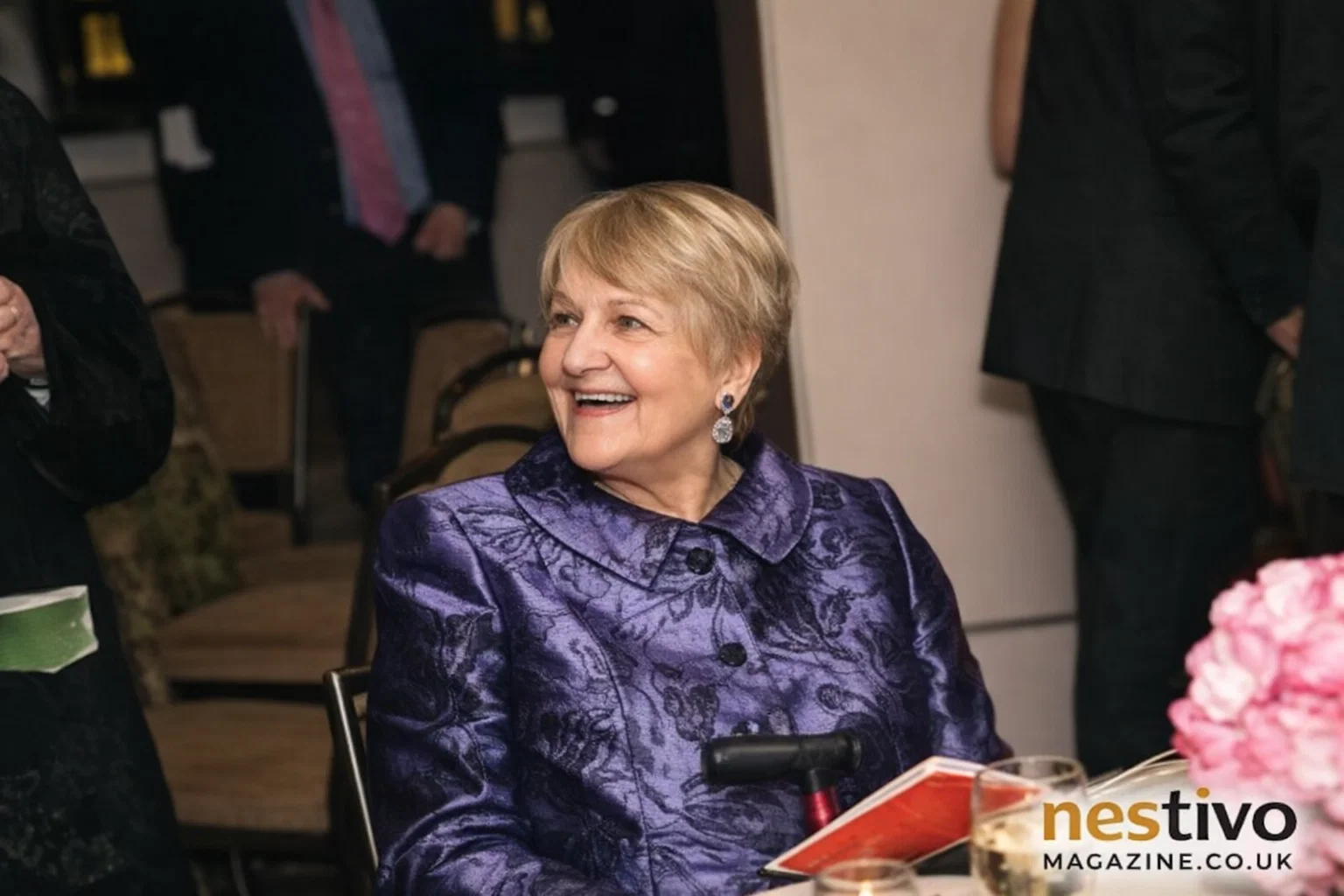
Quick Overview of Annaliese Witschak
Annaliese Witschak is best known as the first wife of George Soros, the billionaire investor and philanthropist. Born in Germany, her life was shaped by profound hardship after being orphaned during World War II. These early challenges forged resilience, discipline, and a strong sense of privacy that would define her life.
She later immigrated to the United States, where she built a quiet but influential life centered on family. While George Soros focused on building his financial career, Annaliese played a vital role as a homemaker and mother, providing emotional stability and a nurturing environment. Although she stayed away from public attention, her influence on the Soros family legacy remains significant.
Quick Bio Table
| Attribute | Details |
|---|---|
| Full Name | Annaliese Witschak |
| Birthplace | Germany |
| Early Life | Orphaned during World War II |
| Immigration | Immigrated to the United States |
| Marriage | First wife of George Soros (1960–1983) |
| Children | Robert Daniel Soros, Andrea Soros Colombel, Jonathan Tivadar Soros |
| Role in Family | Homemaker, nurturing mother |
| Support Role | Supported George Soros during early career |
| Public Profile | Very private, low media presence |
| Post-Divorce Life | Maintained privacy, focused on family |
| Cultural Interests | Classical music, arts, German-American heritage |
| Net Worth | Undisclosed |
Early Life and Childhood in Germany
Annaliese Witschak was born in Germany and experienced immense loss during World War II, becoming an orphan at a young age. Growing up in wartime Europe meant facing scarcity, uncertainty, and emotional hardship.
These early experiences shaped her character:
- Developed resilience and emotional strength
- Learned self-discipline and responsibility early in life
- Formed a strong cultural identity rooted in German traditions
Her upbringing instilled lifelong values of privacy, stability, and dedication to family.
Immigration Journey to the United States
After the war, Annaliese immigrated to the United States in search of stability and opportunity. Adjusting to a new culture came with challenges, but she successfully blended American life with her German heritage.
Her immigrant experience reinforced qualities that later defined her role in family life:
- Adaptability to change
- Commitment to building a secure home
- Quiet determination during uncertain times
Meeting George Soros : A Turning Point
Annaliese met George Soros during his early years in the United States. According to widely shared accounts, they met at a classical music concert in Tanglewood reflecting their shared appreciation for culture and the arts.
Their partnership was built on:
- Mutual respect and intellectual compatibility
- Emotional and personal support
- Shared values around education and culture
This relationship became foundational during Soros’s early financial struggles.
Marriage to George Soros (1960–1983)
Annaliese and George Soros married in 1960. Their marriage lasted 23 years, during which she focused on creating a stable family life while Soros built his career.
Key aspects of her role during marriage:
- Maintained a low public profile
- Managed household and family life
- Provided emotional support during Soros’s rise in finance
- Prioritized children’s upbringing and education
Despite Soros’s growing public presence, Annaliese consistently chose privacy over visibility.
Motherhood and Family Life
The couple had three children, each of whom later became influential in their own fields.
| Child Name | Birth Year | Later Role |
|---|---|---|
| Robert Daniel Soros | 1959 | Finance, Soros Fund Management |
| Andrea Soros Colombel | 1960 | Philanthropy, arts, advocacy |
| Jonathan Tivadar Soros | 1970 | Business and finance |
As a mother, Annaliese emphasized:
- Education and cultural awareness
- Ethics and personal responsibility
- Exposure to arts and classical music
Her nurturing role helped shape her children’s values and long-term success.
Divorce and Post-Marriage Life
Annaliese Witschak and George Soros divorced in 1983. Following the separation, she deliberately stepped further away from public attention.
After divorce, she:
- Continued living a private lifestyle
- Avoided media and public commentary
- Maintained strong relationships with her children
- Preserved family values and discretion
Her post-marriage life reflects consistency in her commitment to privacy and dignity.
Personal Traits and Private Lifestyle
Annaliese is widely described as resilient, reserved, and deeply private. She preferred a quiet life focused on family, culture, and personal values rather than public recognition.
Notable traits include:
- Emotional strength shaped by early hardship
- Appreciation for classical music and the arts
- Strong sense of discretion and humility
Her understated lifestyle mirrors her belief in influence without publicity.
Connection to George Soros’s Legacy
Although she remained out of the spotlight, Annaliese Witschak played a foundational role in George Soros’s personal life during his formative years.
Her contributions include:
- Providing stability during the early stages of Soros’s career
- Supporting him behind the scenes
- Shaping the upbringing of children who later became philanthropists and leaders
Her role highlights the importance of unseen support in the success of public figures.
Cultural and Educational Influence
Annaliese placed strong emphasis on cultural education within the family.
Her influence included:
- Encouraging appreciation for music, literature, and art
- Passing on German-American cultural traditions
- Promoting ethical responsibility and intellectual curiosity
These values deeply influenced her children’s philanthropic and professional paths.
Legacy and Influence Beyond Marriage
Annaliese Witschak’s legacy is rooted in family, values, and quiet strength rather than fame.
Her lasting impact can be seen through:
- Her children’s commitment to philanthropy and social causes
- Preservation of family privacy
- A life example centered on dignity and resilience
Her story demonstrates how private influence can shape public outcomes.
Summary of Annaliese Witschak’s Life
Annaliese Witschak’s life reflects resilience, discretion, and enduring influence. From surviving wartime Germany to raising a family in the United States, she remained grounded in values of stability and privacy. Her long marriage to George Soros coincided with his rise, yet she chose a supportive, behind-the-scenes role.
Her legacy lives on through her children and the values she instilled—proof that quiet strength can leave a lasting mark.
Key Life Events Table
| Event | Period | Details |
|---|---|---|
| Birth in Germany | 1930s | Orphaned during World War II |
| Immigration to US | 1950s | Adapted to American life |
| Marriage | 1960–1983 | Raised three children, homemaker |
| Divorce | 1983 | Chose private life |
| Legacy | Present | Family values and cultural influence |
Conclusion
Annaliese Witschak’s life is a testament to resilience, family devotion, and the power of quiet influence. Though never in the public spotlight, her role shaped the foundation of the Soros family and the values carried forward by her children. Her story reminds us that meaningful legacy is often built away from public view.
FAQs About Annaliese Witschak
1. Who is Annaliese Witschak?
She is the first wife of George Soros, a German-born immigrant, and the mother of three influential children.
2. How many children does she have?
She has three children: Robert Daniel Soros, Andrea Soros Colombel, and Jonathan Tivadar Soros.
3. Why did Annaliese and George Soros divorce?
They divorced in 1983. The reasons were private, and she chose a low-profile life afterward.
4. What is Annaliese Witschak’s net worth?
Her net worth is undisclosed, reflecting her private lifestyle.
5. What role did she play in George Soros’s career?
She provided emotional support and family stability during the early stages of his career.t home, and influenced the upbringing of their children.
