
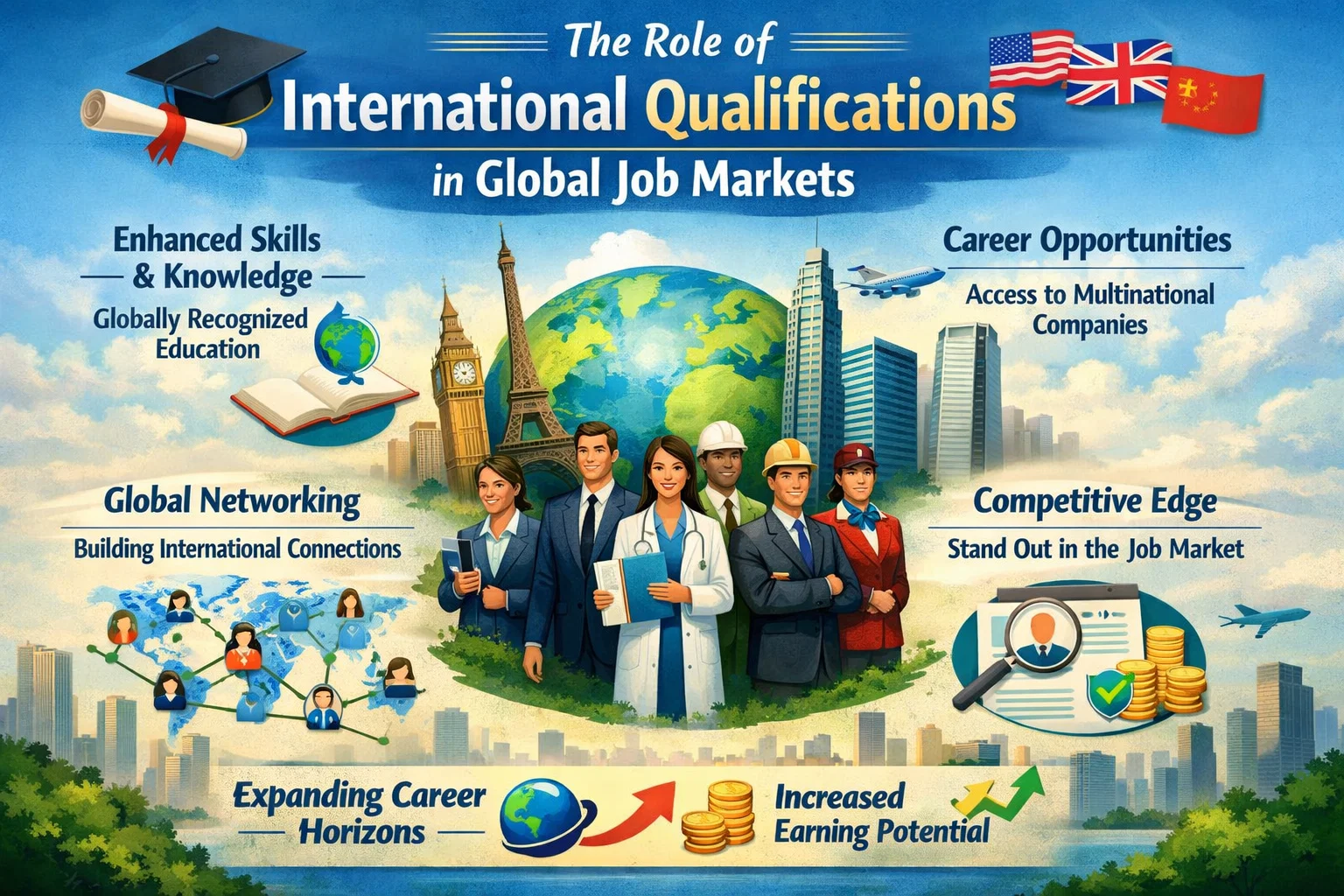
In today’s competitive world, having the right qualifications can make a significant difference in career growth. As industries become more global, employers are no longer limited to hiring talent from a single country. They are actively looking for individuals who bring international exposure, diverse perspectives, and globally recognised qualifications.
International qualifications are more than just academic achievements. They represent adaptability, quality education, and a readiness to work in dynamic environments. For many professionals, they act as a gateway to global career opportunities.
Why Employers Value International Qualifications
Employers worldwide recognise the value of international education. It reflects a candidate’s ability to step out of their comfort zone and succeed in unfamiliar environments.
Some key reasons why employers prefer candidates with international qualifications include:
- exposure to global standards of education
- strong communication and interpersonal skills
- ability to work in multicultural teams
- experience with modern tools and technologies
These qualities are essential in organisations that operate across borders. Employers are not just hiring for knowledge; they are hiring for adaptability and mindset.
Recognition Across Borders
One of the biggest advantages of international qualifications is their global recognition.
Degrees from well-known institutions are often accepted in multiple countries. This allows professionals to explore opportunities beyond their home country without additional certifications.
For example, qualifications from countries like the UK, Canada, and Australia are widely respected. This recognition provides flexibility and opens doors to international job markets.
Competitive Edge in the Job Market
In a crowded job market, standing out is crucial. International qualifications provide a clear advantage.
Candidates with global education often demonstrate:
- higher confidence levels
- better problem-solving skills
- exposure to real-world scenarios
These factors make them more appealing to employers. When two candidates have similar experience, the one with international exposure is often preferred.
Alignment with Industry Standards
International education systems are often aligned with current industry trends. They focus on practical learning, innovation, and skill development.
Students are trained to:
- think critically
- apply knowledge in real-world situations
- adapt to changing technologies
This alignment ensures that graduates are job-ready and capable of contributing from day one.
Opportunities for Global Careers
International qualifications make it easier to explore career opportunities in different countries.
Professionals can:
- apply for jobs in global organisations
- work in international teams
- Relocate to different countries for better opportunities
In many cases, employers actively seek candidates who can bring international experience to their teams. This demand continues to grow as businesses expand globally.
Building a Strong Professional Network
Another important benefit is the opportunity to build a global network.
During their studies, students connect with:
- classmates from different countries
- professors with industry experience
- professionals through internships and events
This network can be valuable for career growth. It can lead to job opportunities, collaborations, and professional guidance.
A strong network often plays a key role in long-term success.
Higher Earning Potential
Professionals with international qualifications often have higher earning potential.
Employers are willing to offer better salaries to candidates who bring:
- global exposure
- advanced skill sets
- international experience
While salary depends on many factors, international education can significantly improve earning prospects over time.
Developing a Global Mindset
Beyond technical knowledge, international qualifications help in developing a global mindset.
Professionals become:
- more open to different perspectives
- better at handling diverse teams
- more adaptable to change
This mindset is essential in leadership roles. It allows individuals to make informed decisions and manage teams effectively in global environments.
Choosing the Right Path
While international qualifications offer many benefits, choosing the right course and institution is crucial. The decision should align with career goals and industry demand.
Many students find the process overwhelming. From selecting the right country to understanding admission requirements, there are several factors to consider.
This is where expert guidance becomes valuable. Experienced study abroad consultants help students make informed decisions and avoid costly mistakes.
If you are planning to build a global career and want the right direction, click here to connect with professionals who can guide you through every step. The right support can make your journey smoother and more effective.
Long-Term Career Impact
The impact of international qualifications goes beyond the first job. It continues to influence career growth in the long run.
Professionals with global education often:
- progress faster in their careers
- take on leadership roles earlier
- explore opportunities across different industries
Their ability to adapt and perform in diverse environments makes them valuable assets to any organisation.
Final Thoughts
International qualifications play a crucial role in shaping successful careers in global job markets. They provide recognition, skills, and exposure that go beyond traditional education.
In a world where competition is increasing, having a globally recognised qualification can set you apart. It not only improves employability but also opens doors to opportunities that may otherwise be out of reach.
For individuals aiming to build a strong and future-ready career, investing in international education can be one of the most impactful decisions they make.
